
Why the idea of "deactivating the amygdala" went viral — and what's true versus dangerously oversimplified
The concept of "amygdala = fear button" spread through popular self-help books, corporate training programs, and meditation apps. The logic seems flawless: the amygdala activates during threat, triggers anxiety and panic, therefore — it needs to be calmed or shut off. More details in the Chemistry section.
The term "amygdala hijack," introduced by Daniel Goleman, describes situations where emotional reactions bypass rational thinking. This is a real phenomenon: the amygdala responds to stress, temporarily disabling the frontal lobes and activating the fight-flight-freeze response.
The problem begins when this model gets simplified to absurdity. Popular sources suggest "deactivating" the amygdala through breathing techniques, visualization, or affirmations, presenting it as a switch you can simply turn off.
This approach ignores three critical facts confirmed by neuroscience over the past 15 years.
Three scientific facts that shatter the "fear button" myth
- The amygdala is not a monolithic structure
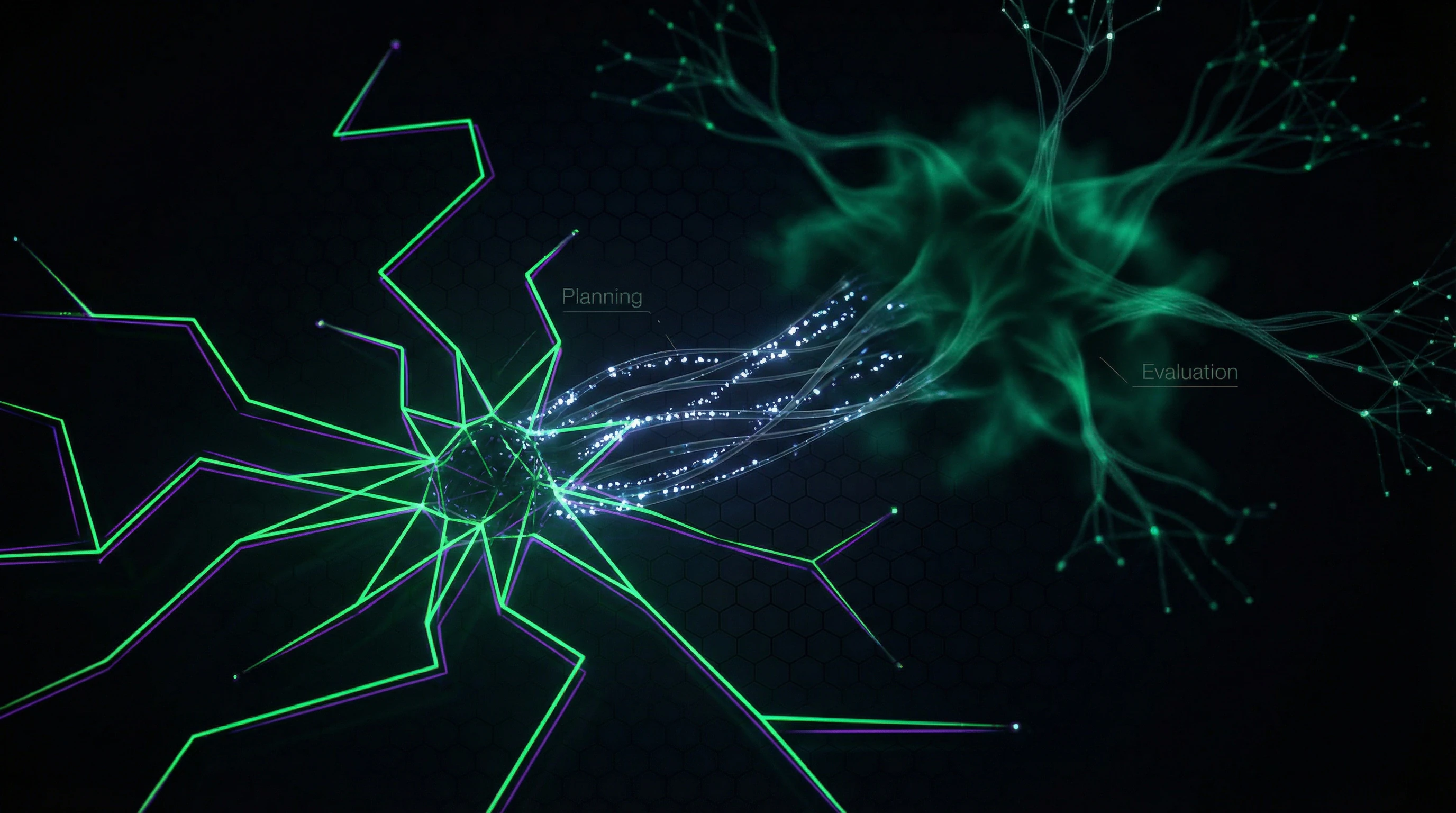
- It's a complex of several subregions with different functions. A study by Sladky et al. (2021) using high-resolution fMRI showed that the central amygdala is active during planning of trusting behavior, while the basolateral amygdala engages when evaluating interaction outcomes (S015). "Shutting down the amygdala" would disrupt not only threat response, but also the ability to learn whom to trust.
- The amygdala is necessary for forming normal interpersonal trust
- The classic study by Koscik et al. (2010), cited 151 times, demonstrated that patients with amygdala damage show abnormally high levels of trust toward strangers, including those whose faces are rated by healthy individuals as "untrustworthy" (S005). These patients couldn't use social cues to calibrate trust — they trusted everyone equally, making them vulnerable to exploitation.
- The amygdala responds to first impressions of people's faces
- Especially to judgments about trustworthiness based on facial features (S003). This rapid assessment occurs within milliseconds and forms the foundation for subsequent social decisions. Complete suppression of this function would mean losing an evolutionarily developed mechanism for social navigation.
What "amygdala deactivation" actually means in scientific context
When neuroscientists talk about "reducing amygdala activity," they don't mean complete shutdown, but modulation — changing the pattern of activity in response to specific stimuli. A study by Kampa et al. (2022) showed decreased right amygdala reactivity during impulse inhibition tasks, which is associated with improved executive control, not general emotional suppression (S001).
| Popular myth | Scientific reality |
|---|---|
| "Turn off the amygdala" | Modulate activity of specific subregions |
| Amygdala = only fear | Amygdala = processing threats, trust, and social cues |
| Complete emotional suppression | Restoring balance in the information processing system |
A recent 2025 study found that anxiety and social deficits are linked to hyperactivity of a specific set of neurons in the amygdala, and these effects can be reversed by rebalancing activity, not complete suppression (S004). This is a fundamentally different approach: not "turn off anxiety," but restore balance in the system that processes threats and social information.
Steel Version of the Argument: Five Reasons Why "Calming the Amygdala" Seems Reasonable
Before dissecting the errors of the popular model, it's necessary to acknowledge: the idea of amygdala control has real foundations. The steel version of the argument (steelman) requires presenting the opponent's position in its strongest form. More details in the section Cosmology and Astronomy.
🧪 Argument 1: Amygdala Hyperactivity Is Indeed Linked to Anxiety Disorders
Multiple studies confirm that people with generalized anxiety disorder, social phobia, and PTSD exhibit heightened amygdala reactivity to potentially threatening stimuli. Specific neurons in the amygdala can trigger anxiety and social deficits when excessively active (S004).
Chronic amygdala hyperactivity is associated with disruptions in the executive control network. Emotional interference leads to reduced activation in central executive network regions (S002), meaning: an overexcited amygdala genuinely interferes with rational thinking.
🧠 Argument 2: Techniques for Reducing Amygdala Activity Show Clinical Effectiveness
Cognitive-behavioral therapy, mindfulness meditation, and certain pharmacological interventions demonstrate the ability to reduce amygdala reactivity, which correlates with decreased anxiety symptoms. Endocannabinoid modulation of the amygdala shows that this system can regulate amygdala activity and associated emotional responses.
The concept of amygdala modulation has a foundation: when the amygdala is excessively active, its regulation genuinely promotes more deliberate rather than reactive responses. The problem isn't with the idea of modulation itself, but in how it's presented and applied.
⚙️ Argument 3: The Phenomenon of "Amygdala Hijack" Is Real and Measurable
When the amygdala responds to stress, it can temporarily shut down frontal lobe functions, activating the fight-flight-freeze response and bypassing rational information processing (S005). In such situations, people make impulsive decisions they later regret.
🧬 Argument 4: The Evolutionary Threat System Often Produces False Alarms in the Modern World
The amygdala evolved to detect physical threats—predators, hostile groups, dangerous situations. In the modern world, it responds to emails from the boss, social media, and financial news the same way it does to life-threatening danger.
This mismatch between evolutionary design and the modern environment creates chronic stress that genuinely requires management. A system designed for rare, acute threats operates in a state of constant alert.
📊 Argument 5: Research Shows Reduced Amygdala Reactivity with Executive Control Training
Cognitive control training can modulate amygdala activity (S001). This demonstrates that conscious influence on this structure through practice is possible and measurable.
- Amygdala hyperactivity is a measurable pattern in anxiety disorders
- Clinical techniques (CBT, meditation) reduce reactivity and symptoms
- "Amygdala hijack" is a real mechanism that bypasses rational thinking
- The evolutionary design of the threat system doesn't match the modern environment
- Cognitive control demonstrates the ability to modulate the amygdala
All five arguments rest on real neurobiological phenomena. The question is what follows from this—and what doesn't.
Evidence Base: What Research Shows About the Amygdala's Role in Trust and Social Cognition
Moving from popular psychology to neuroscience requires detailed analysis of empirical data. The last 15 years of research have radically transformed our understanding of amygdala functions. Learn more in the Quantum Mechanics section.
🧪 Critical Role of the Amygdala in Forming Interpersonal Trust
A study by Koscik et al. (2010) examined patients with bilateral amygdala damage (S005). The results were striking: these patients demonstrated abnormally high levels of trust toward strangers in economic games where they had to decide whether to entrust money to another player.
Key finding: patients with amygdala damage could not use information about facial trustworthiness to calibrate their trust. When healthy participants were shown photographs of people rated as "untrustworthy" based on facial features, they reduced their trust levels. Patients with amygdala damage trusted everyone equally, regardless of social cues (S005). This isn't "liberation from fear"—it's the loss of a critically important social protection mechanism.
The amygdala is not a threat detector, but a trust calibration system. Disabling it doesn't free you from fear—it strips away the ability to distinguish between trustworthy and untrustworthy partners.
🧠 Functional Specialization of Amygdala Subregions in Trust Processing
A study by Sladky et al. (2021) used high-resolution fMRI to examine activity in different amygdala subregions during a trust game (S015). Researchers discovered functional dissociation between two key structures.
| Subregion | Activation | Function |
|---|---|---|
| Central Amygdala (CeA) | Trust behavior planning phase | Risk assessment before trust decision |
| Basolateral Amygdala (BLA) | Outcome evaluation phase | Updating representations of partner trustworthiness |
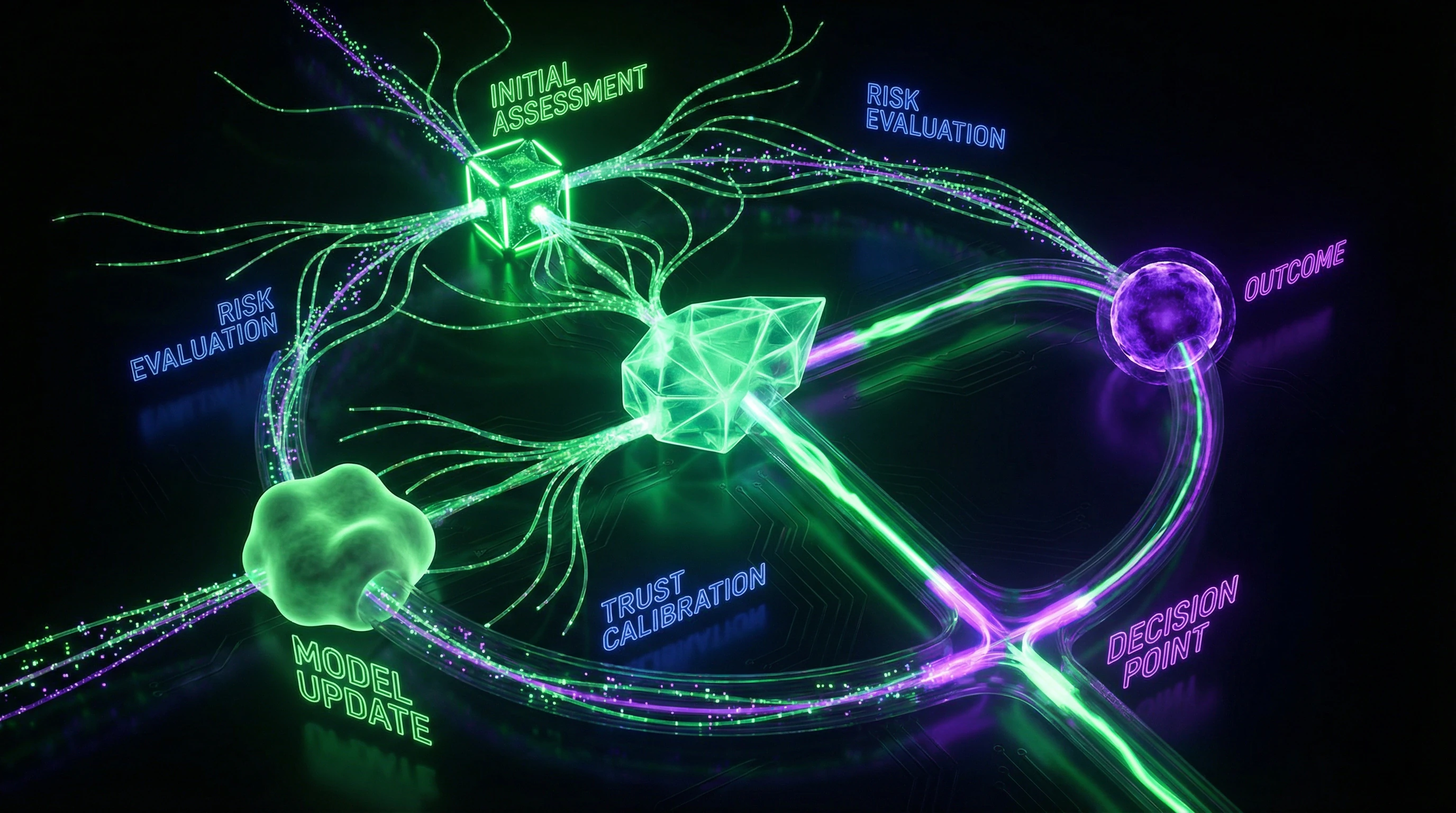
This discovery demonstrates that the amygdala is a sophisticated system for navigating the social world. The central amygdala helps assess risks before making trust decisions, while the basolateral amygdala updates trustworthiness models based on outcomes. Suppressing either of these functions would impair the ability to learn from social experience.
📊 The Amygdala and Processing First Impressions from Faces
Research has shown that the human amygdala responds to first impressions from people's faces, particularly to normative judgments about trustworthiness based on facial features (S003). This response occurs automatically, within fractions of a second, and forms the foundation for subsequent social interactions.
The amygdala doesn't simply react to "threatening" faces, but also to faces rated as "untrustworthy" by social criteria. This means it integrates cultural and social norms into the rapid evaluation process. Complete suppression of this function would deprive a person of the capacity for intuitive social navigation, which often proves more accurate than conscious analysis.
🧬 Amygdala Interaction with Prefrontal Cortex in Emotional Regulation
A study by Jamieson et al. (2021) examined how interactions between the amygdala, dorsolateral prefrontal cortex (dlPFC), and ventromedial prefrontal cortex (vmPFC) change during processing of fear and sadness emotions (S009). Key finding: effective connectivity between these regions is modulated depending on emotion type and context.
- The Problem of Incorrect Conceptualization
- "Amygdala deactivation" is the wrong framing of the problem. The real goal is to optimize the amygdala's interaction with prefrontal cortex regulatory systems.
- Dysfunction Mechanism
- When the connection between the amygdala and prefrontal cortex is disrupted, problems arise not from an "overactive amygdala," but from dysfunctional communication in the emotional regulation network (S009).
⚙️ Reversibility of Anxiety Through Amygdala Rebalancing
A 2025 study identified a specific set of neurons in the amygdala whose hyperactivity causes anxiety and social deficits (S004). Critically important: researchers were able to reverse these effects by rebalancing the activity of these neurons, not by completely suppressing them.
This finding supports a "fine-tuning" model rather than a "shutdown" model. The problem isn't that the amygdala is active, but that certain neuronal populations within it are imbalanced. The therapeutic goal is to restore balance while preserving normal threat processing and social information functions (S004).
Rebalancing, not shutdown. Effective anxiety treatment works through restoring harmony in neural networks, not through suppressing critically important structures.
Mechanisms and Causality: Why Correlation Between Amygdala Activity and Anxiety Doesn't Mean the Amygdala Needs to Be "Turned Off"
One of the fundamental principles of scientific thinking: correlation does not imply causation. Even when causality is established, the direction of the causal relationship may not be obvious. More details in the Media Literacy section.
🔬 The Problem of Reverse Causality in Amygdala Research
Most studies showing a link between amygdala hyperactivity and anxiety are correlational. They demonstrate that anxious people have more reactive amygdalae, but do not prove that amygdala hyperactivity causes anxiety.
Three alternative explanations are possible:
- Chronic stress and anxiety may cause structural and functional changes in the amygdala as an adaptive response. Amygdala hyperactivity is a consequence, not a cause, of anxiety.
- Dysfunction in the regulatory systems of the prefrontal cortex may lead to insufficient control over normal amygdala activity. The problem is not in the amygdala itself, but in impaired top-down regulation.
- A third variable (genetic factors, early stress, inflammation) may simultaneously affect both amygdala activity and anxiety levels, creating a spurious causal relationship between them.
📊 Confounders and Alternative Explanations
Research has shown that emotional interference leads to reduced activation in central executive network regions and decreased deactivation in certain areas (S002). The problem is not isolated to the amygdala—it affects the entire network of emotion processing and executive control.
Amygdala activity is regulated by complex molecular mechanisms involving multiple neurotransmitter systems. Attempting to "turn off" the amygdala without accounting for these systems can lead to unpredictable side effects.
🧬 Why Complete Amygdala Suppression Is More Dangerous Than It Seems
Data from patients with amygdala damage provide a natural experiment. These patients not only demonstrate abnormally high trust in untrustworthy people (S005), but also experience difficulties in three critical areas:
| Function | Consequence of Amygdala Shutdown | Why This Is Dangerous |
|---|---|---|
| Recognition of social threats | Loss of ability to intuitively detect manipulation and deception | Person becomes vulnerable to exploitation |
| Learning from negative experience | Basolateral amygdala fails to update representations of people's trustworthiness | Repetition of the same mistakes in partner selection |
| Response to real threats | Absence of adequate emotional reactions to danger | Defenselessness against real risks |
The amygdala did not evolve by accident—it protects against dangers. Its complete suppression leaves a person defenseless against real risks and social manipulation.
Conflicts and Uncertainties: Where Sources Diverge and What It Means
The scientific literature on the amygdala is not monolithic. Significant disagreements exist that must be acknowledged to avoid presenting hypotheses as facts. For more details, see the Sources and Evidence section.
Contradiction 1: The Amygdala's Role in Processing Emotional Faces
Despite extensive neuroimaging research, scientists have not reached consensus on the critical role of the amygdala in differentiating emotional faces (S007). Some studies show specific activation to fear, others to a broad spectrum of emotions, and still others to emotional intensity regardless of valence.
This directly undermines the popular "amygdala = fear" model. If the amygdala responds to multiple emotions and social signals, not just threat, then its "deactivation" will affect a much broader range of functions than simplified models suggest.
Contradiction 2: Effectiveness of Amygdala Modulation Methods
The variability in intervention effectiveness is striking. Some studies show significant effects of mindfulness meditation, others show minimal or absent effects. Research demonstrated reduced right amygdala reactivity during inhibition tasks (S001), but it's unclear how much this effect transfers to real-life situations.
| Intervention Method | Observed Effect | Generalization Problem |
|---|---|---|
| Mindfulness meditation | Ranges from significant to minimal | Laboratory conditions ≠ life stress |
| Cognitive reappraisal | Reduced activity in some studies | Requires cognitive resources unavailable in crisis |
| Pharmacological approaches | Depends on substance and dosage | Side effects on other systems |
Contradiction 3: Individual Differences in Amygdala Function
Amygdala reactivity varies between individuals depending on genetics, early experience, current stress levels, and numerous other variables. This means universal recommendations for "deactivating the amygdala" may be ineffective or even harmful for certain groups.
A person with a hyperreactive amygdala due to trauma may need a completely different approach than someone with low reactivity due to genetic factors. One size does not fit all—and this is not a bug in neuroscience, but its reality.
The connection between early experience and brain structure shows that the amygdala is not simply a switch, but the result of an organism's developmental history. Attempting to "turn it off" without accounting for this history is ignoring causes in favor of symptoms.
Cognitive Anatomy of the Myth: Which Psychological Traps Make the Idea of "Switching Off the Amygdala" So Appealing
The popularity of the "amygdala deactivation" concept is explained not only by its apparent simplicity, but also by deep cognitive biases that make it attractive to a brain seeking control. More details in the section Paranormal Abilities.
The first trap is the illusion of mechanical control. The brain loves cause-and-effect chains: pain → amygdala → switch off → no pain. This works for levers and switches, but not for neural networks, where the amygdala is embedded in dozens of feedback loops (S002, S003).
When we hear "switch off the amygdala," the brain experiences relief: finally, there's a simple solution to a complex problem. This relief is the trap itself.
The second trap is agentic shift: we transfer responsibility from ourselves to an organ. "My amygdala is to blame" sounds better than "I haven't learned to regulate my reactions." This is psychologically more comfortable, but less accurate.
The third trap is selective attention to successes. When a person practices meditation or cognitive restructuring and feels calmer, they attribute this to "switching off the amygdala," although what actually happened was retraining of the prefrontal cortex (S005). The brain sees correlation and declares it causation.
- We seek a simple explanation for a complex phenomenon → find it in neuroscience
- We attribute success to this explanation, ignoring alternative mechanisms
- We repeat the explanation until it becomes a "fact"
- We resist clarifications because they destroy the convenient model
The fourth trap is narrative appeal. The story of "switching off the amygdala" sounds like a science fiction thriller: the enemy within, but it can be defeated. This is a hero's narrative, not a narrative of integration and balance.
The fifth trap is social reinforcement. When an idea circulates in self-help, coaching, or pseudoscience communities, each repetition strengthens its plausibility. This is not because it's true, but because it's frequently repeated.
All these traps work together: simplicity + convenience + narrative + social reinforcement = a viral idea that seems scientific but remains an oversimplification.