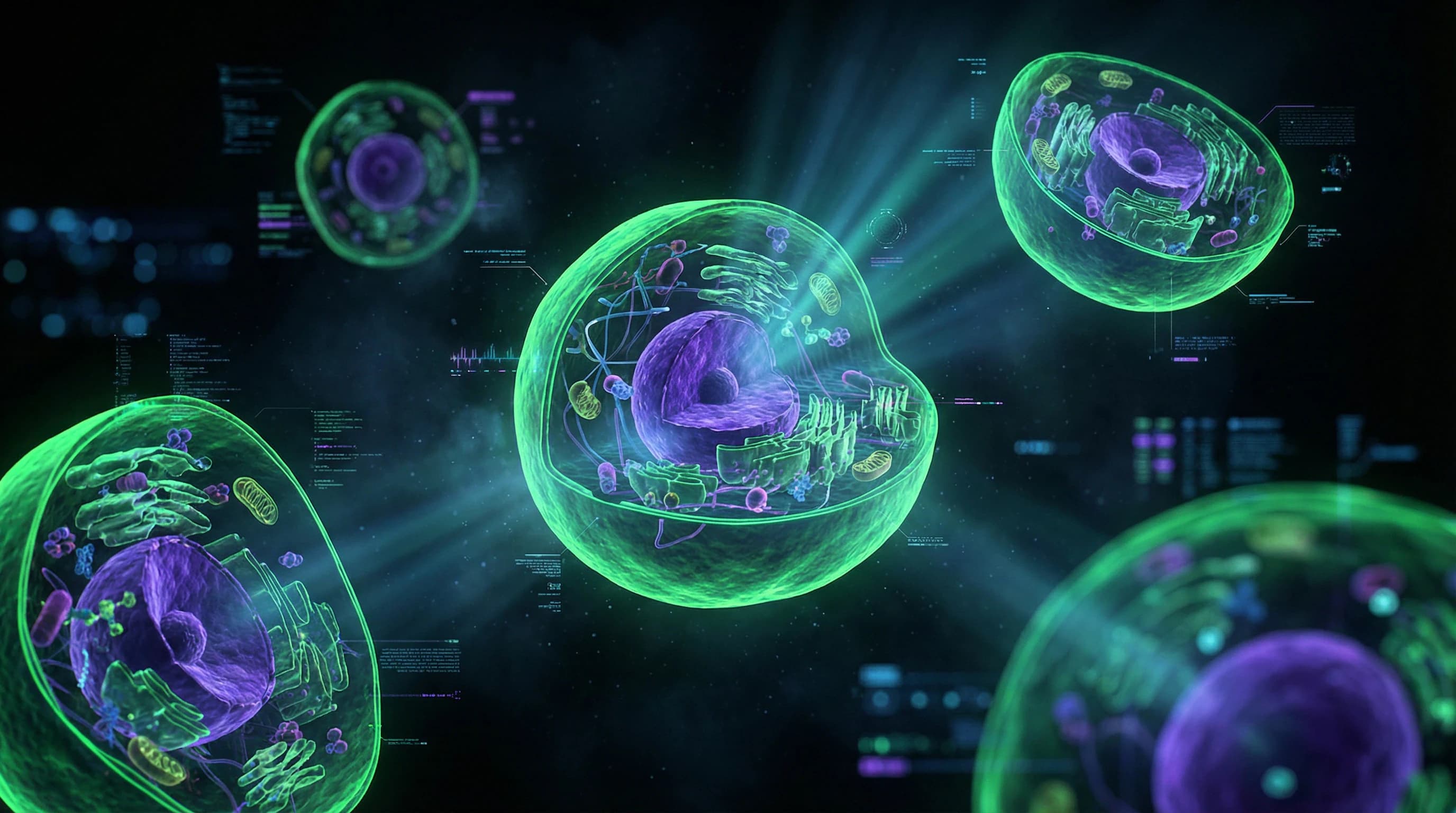
Cell Biology: Studying the Fundamental Unit of Lifeλ
The cell is the smallest living unit containing all the molecules of life. From single-celled organisms to the trillions of cells in the human body — exploring the structure, functions, and behavior of the foundation of all living things.
Overview
The cell is the minimal unit of life: 🧬 membrane, DNA, metabolism, capacity for division. Prokaryotes (bacteria) manage without a nucleus, eukaryotes (fungi, plants, animals) package their genome in a nucleus and build organelles — mitochondria, ribosomes, Golgi apparatus. Cell biology studies how these structures work, communicate through signals, and break down in diseases — from cancer to neurodegeneration.
🛡️
Laplace Protocol: All living organisms are composed of cells — this is an established scientific fact, confirmed by authoritative sources (Nature, NIH, NHGRI, Britannica). Cell theory is one of the fundamental principles of biology, based on centuries of experimental observations and research.
Reference Protocol
Scientific Foundation
Evidence-based framework for critical analysis
Protocol: Evaluation
Test Yourself
Quizzes on this topic coming soon
⚡
Deep Dive
The Cell as the Fundamental Unit of Life: From Latin "Cellula" to Modern Science
The cell is the smallest living unit and the basic structural-functional component of all living organisms. The term derives from the Latin "cellula" ("small room"), a name given by Robert Hooke in the 17th century when observing cork tissue under a microscope.
Cells exist as independent unicellular organisms or unite into trillions of units, forming complex multicellular systems.
Definition and Functional Characteristics
A cell is a membrane-bound structure containing the fundamental molecules of life and capable of independent functioning. Each cell possesses four key characteristics: growth, metabolism, reproduction, and response to external stimuli.
- Cell Membrane
- Creates a boundary between the internal environment and external surroundings, allowing the cell to maintain homeostasis and control substance exchange.
- Cytoplasm
- The internal cellular environment in which specialized structures (organelles) are located.
- Nucleus (in eukaryotes)
- Contains DNA and functions as the command center, coordinating the biochemical processes of growth, maturation, division, and cell death.
Cell Theory: A Central Postulate of Biology
Cell theory states: all living organisms consist of one or more cells. This is one of the central postulates of modern biology, unifying our understanding of life at all levels of organization.
The cell is the universal unit of structure and function for all forms of life—from simple bacteria to complex multicellular organisms.
The theory applies to all living beings without exception: bacteria, plants, fungi, protists, and animals. The common misconception that only animals have cellular structure is refuted by the universality of this principle.
| Organism | Cellular Structure | Examples |
|---|---|---|
| Bacteria | Single cell | E. coli, cyanobacteria |
| Plants | Multicellular | Algae, mosses, flowering plants |
| Fungi | Multicellular | Mold, mushrooms |
| Animals | Multicellular | Worms, insects, mammals |
Contemporary research continues to expand our understanding of cellular mechanisms, including molecular biology, neuroscience at the cellular level, and immunology.
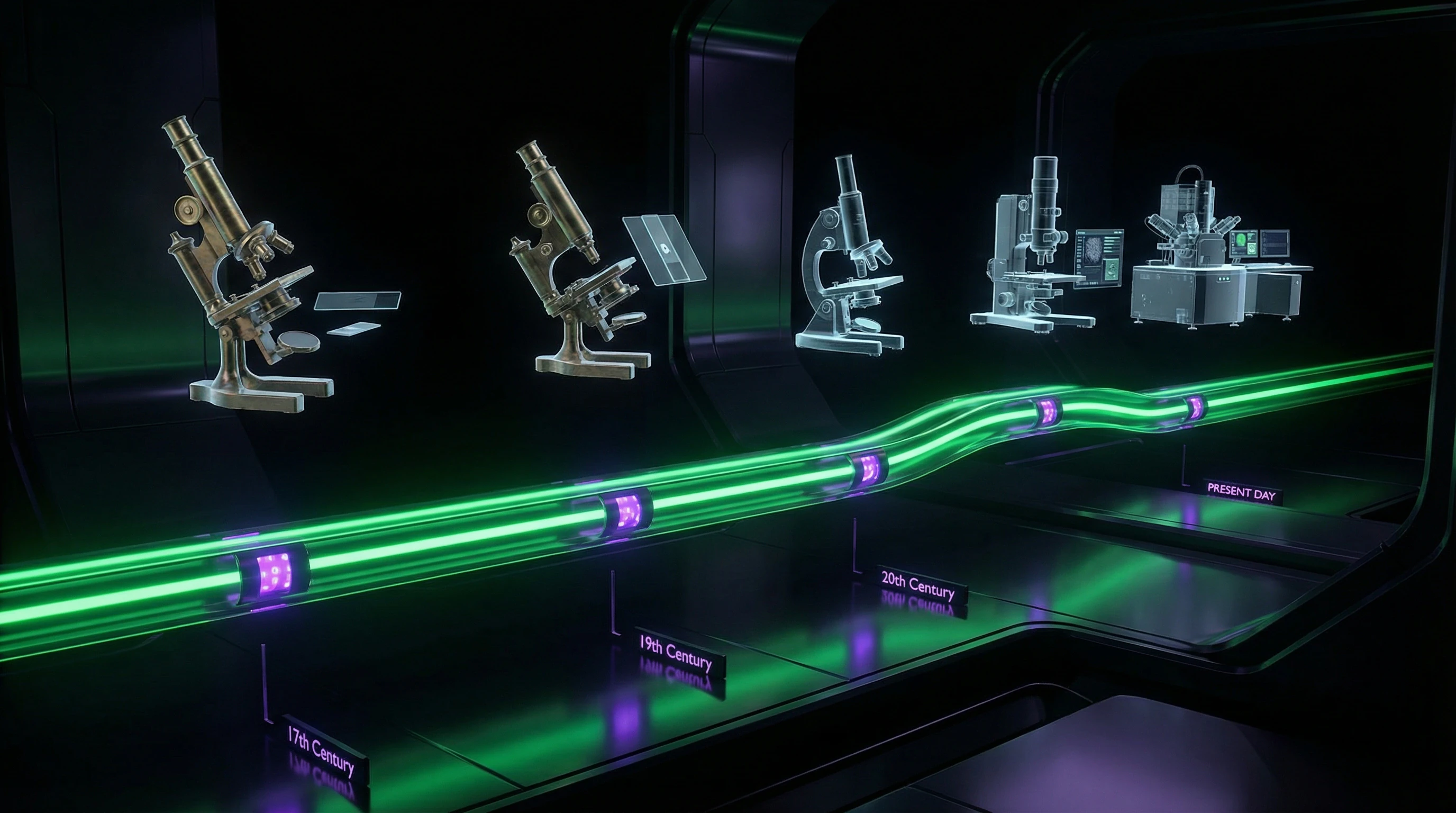
Two Cellular Worlds: Prokaryotes and Eukaryotes as Fundamental Forms of Life Organization
All cells on Earth are divided into two main categories: prokaryotic and eukaryotic. This division reflects not merely structural differences, but evolutionary pathways of life that emerged billions of years ago.
Prokaryotes appeared first and represent a simpler form of cellular organization. Eukaryotes developed later and demonstrate significantly more complex internal structure.
Prokaryotic Cells: Structure and Characteristics
Prokaryotic cells are characterized by the absence of a nucleus and membrane-bound organelles. Genetic material is located in the cytoplasm as a nucleoid, not separated by a membrane from the rest of the cell contents.
Prokaryotes include bacteria and archaea — organisms that, despite their apparent simplicity, demonstrate remarkable diversity in metabolic strategies and the ability to survive in extreme conditions.
- Size: 0.1 to 5 micrometers (significantly smaller than eukaryotic cells)
- Cell wall: provides structural support and protection
- Plasma membrane: controls substance transport
- Ribosomes: protein synthesis
- Additional structures: flagella for movement, pili for attachment
The relative simplicity of prokaryotic cells does not imply primitiveness — these are highly efficient biological systems adapted to a wide range of ecological niches.
Eukaryotic Cells: Complex Organization
Eukaryotic cells are distinguished by the presence of a nucleus and numerous membrane-bound organelles, which enables compartmentalization of cellular functions. The nucleus contains genetic material organized into chromosomes and is surrounded by a double nuclear membrane with pores that regulate exchange between the nucleus and cytoplasm.
Eukaryotes include all animals, plants, fungi, and protists — organisms demonstrating enormous diversity in forms and functions.
| Parameter | Prokaryotes | Eukaryotes |
|---|---|---|
| Size | 0.1–5 micrometers | 10–100 micrometers |
| Nucleus | Absent | Present |
| Organelles | Absent | Multiple (mitochondria, ER, Golgi, lysosomes) |
| Genetic material | Nucleoid in cytoplasm | Chromosomes in nucleus |
Eukaryotic cells contain specialized organelles: mitochondria for energy production, endoplasmic reticulum for protein and lipid synthesis, Golgi apparatus for modification and sorting of molecules, lysosomes for digestion, and in plant cells — chloroplasts for photosynthesis.
Even a single eukaryotic cell represents a highly organized system with multiple interacting components — this refutes the myth of the cell as a simple structure.
Cell Architecture: Membrane, Nucleus, and Cytoplasmic Systems
The structural components of a cell form an integrated system where each element performs specific functions. Three primary structural elements—the cell membrane, nucleus, and cytoplasm with organelles—work in coordination to ensure metabolism, growth, reproduction, and response to external stimuli.
Cell Membrane: The Phospholipid Barrier
The cell membrane is a phospholipid bilayer that forms a selectively permeable boundary between the cell's internal and external environments. The hydrophilic heads of phospholipids face the aqueous environment, while hydrophobic tails point inward, creating a barrier to most water-soluble molecules.
Proteins embedded in the membrane function as transporters, receptors, and enzymes, enabling controlled exchange of substances and signal transmission. Carbohydrate components form the glycocalyx—a layer involved in cell recognition and intercellular interactions.
The membrane is not static—it possesses fluidity that allows proteins and lipids to move within the plane of the bilayer (fluid mosaic model). This dynamism is critical for endocytosis, exocytosis, and cell signaling.
The Nucleus as the Cell's Command Center
The nucleus of a eukaryotic cell contains DNA organized into chromosomes and directs cellular activities: growth, maturation, division, and programmed death. The nuclear envelope consists of two membranes perforated by nuclear pores that regulate the transport of macromolecules between the nucleus and cytoplasm.
The nucleolus is a specialized region within the nucleus where ribosomal RNA synthesis and ribosome subunit assembly occur.
- Distributed Control System
- The nucleus does not control absolutely everything in the cell. Cells possess cytoplasmic inheritance, mitochondrial DNA, and complex signaling networks that function relatively independently of nuclear control. This architecture provides flexibility and resilience to cellular functions.
Cytoplasm and Organelles
The cytoplasm is the internal cellular environment filled with cytosol (an aqueous solution of ions, small molecules, and macromolecules) in which organelles are located. Each organelle performs specific functions.
| Organelle | Function |
|---|---|
| Mitochondria | Generate ATP through cellular respiration |
| Endoplasmic Reticulum | Synthesizes proteins and lipids |
| Golgi Apparatus | Modifies and sorts molecules for transport |
| Lysosomes | Contain digestive enzymes for breaking down macromolecules |
| Peroxisomes | Participate in lipid metabolism and detoxification |
The cytoskeleton—a network of protein filaments—provides structural support, determines cell shape, and participates in intracellular transport and cell division. This complex organization of organelles and their interactions demonstrate that even a single cell represents a highly integrated system.
Cellular Functions and Processes: From Energy to Division
Metabolism and Energy Exchange
Cellular metabolism is the sum of chemical reactions that sustain life: synthesizing molecules and breaking down nutrients to obtain energy. Mitochondria convert nutrient energy into ATP through oxidative phosphorylation.
In plant cells, chloroplasts perform photosynthesis, converting light energy into the chemical energy of glucose, which is then used in metabolic pathways.
- Metabolic Regulation
- Enzymes and signaling molecules maintain balance between anabolic (synthetic) and catabolic (breakdown) processes. Cells adapt their metabolism in response to environmental changes, nutrient availability, and energy demands—this is metabolic plasticity.
Cell Cycle and Division
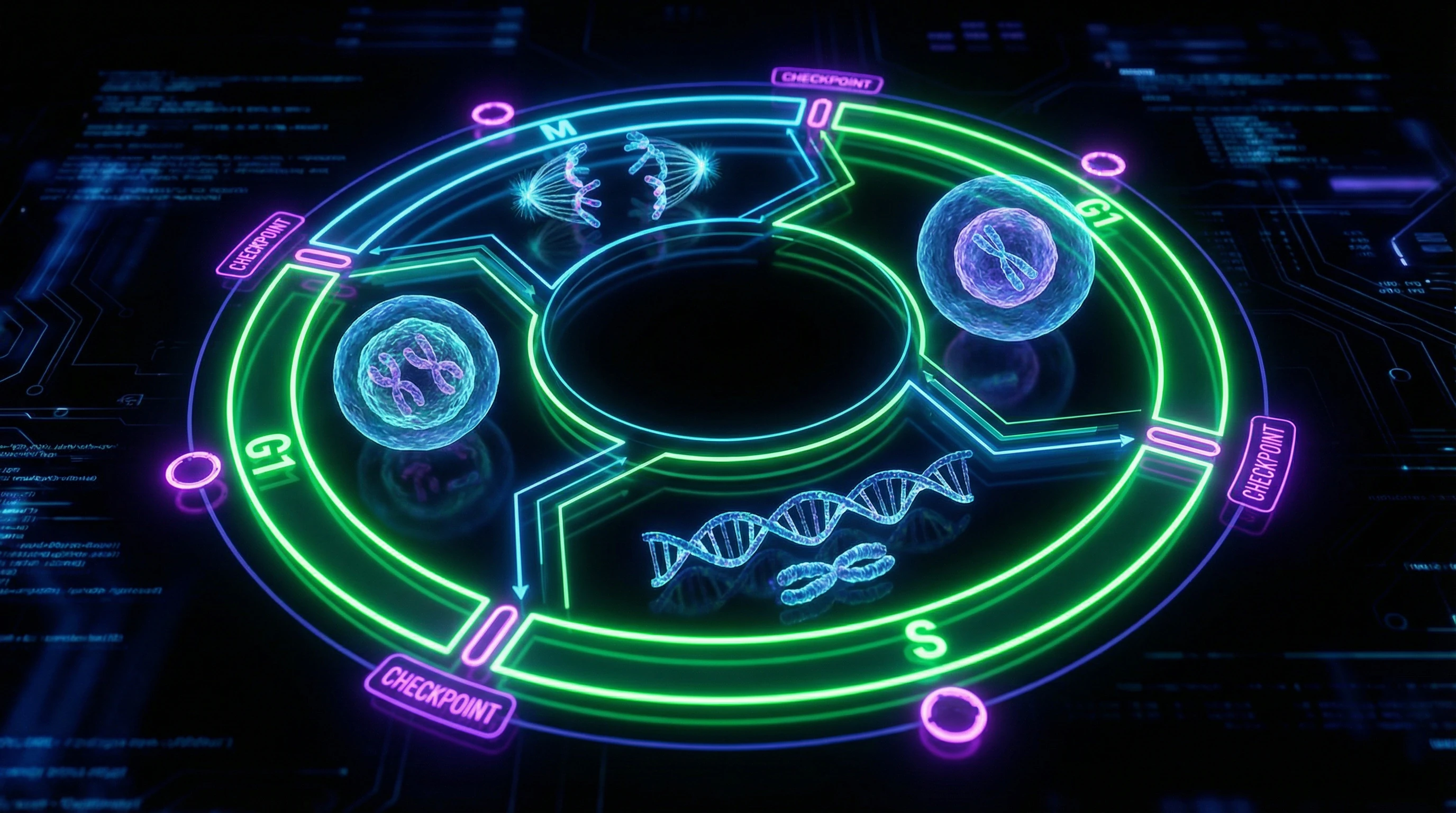
The cell cycle is an ordered sequence of events: the cell grows, replicates DNA, and divides into two daughter cells. The cycle includes interphase (G1, S, and G2 phases), when the cell grows and duplicates genetic material, and mitosis (M-phase), when chromosome distribution and physical separation occur.
The nucleus directs cell growth, maturation, division, and death through tightly controlled mechanisms.
Regulation occurs through a checkpoint system that verifies the accuracy of each stage before proceeding to the next, preventing transmission of damaged DNA to daughter cells.
Disruptions in cell cycle regulation lead to uncontrolled division and cancer development—understanding these mechanisms is critical for medicine.
Cell Communication and Signaling Pathways
Cells interact with each other and their environment through cellular communication systems: membrane receptors, signaling molecules, and intracellular signal transduction cascades. The membrane controls substance entry and exit, acting as a selective barrier and platform for receptors.
| Signaling Molecule | Function | Outcome |
|---|---|---|
| Hormones | Long-distance communication between organs | Changes in metabolic activity |
| Growth factors | Local stimulation of division and differentiation | Changes in gene expression |
| Neurotransmitters | Synaptic signal transmission | Changes in cell behavior |
The ability of cells to respond to their environment is a fundamental property of life, enabling organisms to adapt to changing conditions, coordinate tissue and organ functions, and maintain homeostasis.
Disruptions in cellular communication systems underlie diabetes, autoimmune disorders, and cancer.
Specialization and Cell Differentiation: From Versatility to Function
Diversity of Cell Types in Multicellular Organisms
Multicellular organisms contain hundreds of specialized cell types with identical genetic information but different functions. Neurons transmit electrical signals, muscle cells contract, red blood cells transport oxygen, immune cells defend against pathogens.
This specialization is achieved through differential gene expression: different sets of genes from the common genome are activated in different cell types.
| Cell Type | Structural Adaptation | Functional Purpose |
|---|---|---|
| Neuron | Long processes (axons, dendrites) | Signal transmission over long distances |
| Muscle cell | Abundant contractile proteins | Mechanical contraction |
| Secretory cell | Well-developed ER and Golgi apparatus | Synthesis and secretion of substances |
Mechanisms of Cell Differentiation
Cell differentiation is the process by which less specialized cells become more specialized through changes in gene expression without altering the DNA sequence.
The process is regulated by two types of factors: intrinsic (transcription factors, epigenetic modifications) and extrinsic (growth factors, intercellular interactions, physical characteristics of the microenvironment).
Stem cells are undifferentiated cells capable of both self-renewal and differentiation into specialized types. This makes them critically important for development, tissue regeneration, and therapeutic applications.
Epigenetic mechanisms (DNA methylation, histone modifications) stabilize the differentiated state, creating "cellular memory" of cell type without changing the genetic sequence.
Understanding these mechanisms opens possibilities for regenerative medicine: reprogramming somatic cells into induced pluripotent stem cells enables replacement of damaged tissues.
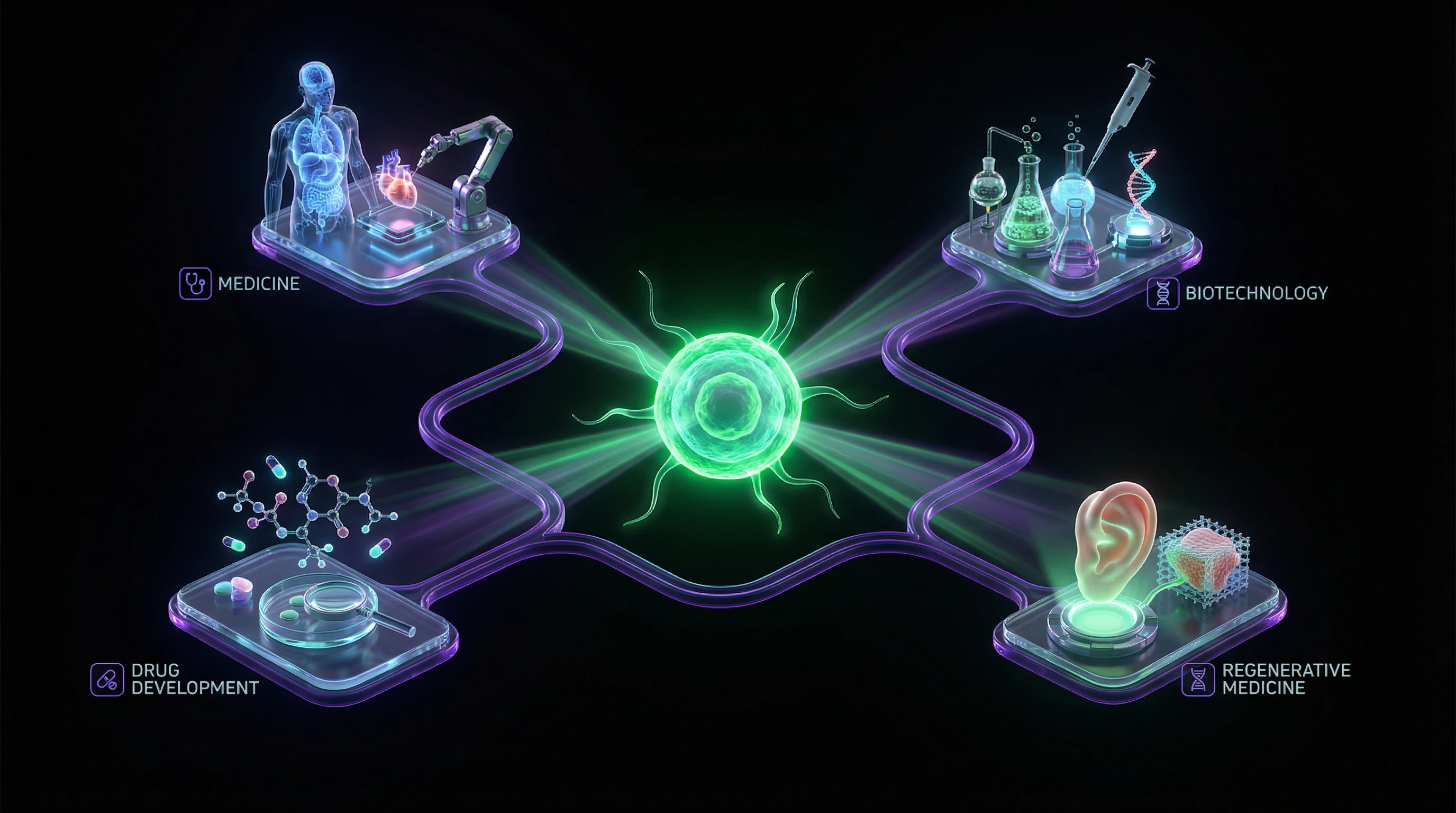
Contemporary Research and Applications: From Fundamental Science to Practice
Cell Biology in Medicine and Genetics
Most diseases have a cellular basis — from genetic disorders to cancer and infections. Understanding cellular mechanisms enables the development of targeted therapies directed at specific molecular pathways in pathological cells, minimizing side effects on healthy tissues.
Research in immunology and virology at the cellular level has led to the creation of vaccines, cancer immunotherapy, and antiviral drugs. Genetic research reveals the mechanisms of hereditary diseases and opens possibilities for gene therapy, where defective genes are replaced or corrected directly in patient cells.
Genome editing technologies, such as CRISPR-Cas9, allow precise modification of DNA in living cells, providing unprecedented opportunities for treating genetic diseases and studying gene functions.
Biotechnological Applications of Cell Research
Cell biology forms the foundation of the biotechnology industry: production of therapeutic proteins, antibodies, vaccines, and other biological drugs is accomplished using cultured cells. Cell engineering creates modified cell lines for producing complex biomolecules — insulin, blood clotting factors, monoclonal antibodies, which cannot be synthesized by chemical methods.
Tissue engineering uses principles of cell biology to create artificial tissues and organs, potentially solving the problem of donor organ shortage.
- Synthetic biology — creating artificial cellular systems with defined properties
- Single-cell genomics — analysis of individual cells to reveal population heterogeneity
- Organoids — three-dimensional cell cultures that mimic organ structure and function
These technologies are transforming fundamental research and applied development, opening new horizons in personalized medicine, drug screening, and disease modeling.
Knowledge Access Protocol
FAQ
Frequently Asked Questions
A cell is the smallest living unit that makes up all organisms. It's a structure surrounded by a membrane and containing all the necessary molecules for life, growth, and reproduction. Cells can exist independently (bacteria) or combine into trillions (the human body).
Prokaryotes lack a nucleus and membrane-bound organelles, while eukaryotes contain a defined nucleus with DNA and specialized organelles. Prokaryotes include bacteria and archaea; eukaryotes include animals, plants, fungi, and protists. Eukaryotic cells are significantly more complex in organization.
All cells have a cell membrane, cytoplasm, and genetic material (DNA). The membrane controls the exchange of substances with the environment, the cytoplasm contains the internal medium, and DNA stores hereditary information. Eukaryotes additionally contain a nucleus and organelles.
No, that's a common myth. Cells are highly specialized and differ in structure and function depending on their role in the organism. The human body contains hundreds of cell types—neurons, red blood cells, muscle cells—each with unique characteristics.
The cell membrane serves as a barrier separating the cell's internal contents from the external environment. It consists of a phospholipid bilayer and controls which substances enter and exit the cell. The membrane also participates in cell communication and signal recognition.
The nucleus is the command center of a eukaryotic cell, containing DNA with genetic information. It controls cell growth, maturation, division, and death by regulating protein synthesis. The nucleus protects DNA and coordinates all major cellular processes through gene transcription.
Start by learning cell theory and basic definitions, then study the differences between prokaryotes and eukaryotes. Use general biology textbooks, educational videos, and interactive cell models. Gradually progress to studying organelles, metabolism, and the cell cycle.
Primary methods include light and electron microscopy, fluorescent staining, and cell culture. Modern technologies employ DNA sequencing, flow cytometry, and confocal microscopy. Molecular methods allow researchers to study gene expression and protein interactions at the cellular level.
Cells obtain energy through metabolic processes, primarily cellular respiration and photosynthesis. In mitochondria, glucose is broken down to produce ATP—the universal energy molecule. Plant cells additionally use chloroplasts to convert light energy into chemical energy.
No, that's a misconception—even the "simplest" cell contains highly complex molecular mechanisms. A cell includes thousands of different proteins, metabolic pathways, and regulatory systems. It represents one of the most complex organizational units in nature with remarkable process coordination.
Cell differentiation is the process by which unspecialized cells transform into specialized types with specific functions. This occurs through selective gene activation while maintaining the complete genome. Differentiation enables a single fertilized egg to create all the diverse cell types in an organism.
Cells communicate through chemical signals—hormones, neurotransmitters, and other signaling molecules. Receptors on the cell membrane recognize these signals and trigger intracellular reaction cascades. Direct communication also exists through gap junctions, allowing exchange of small molecules.
Cell biology is critically important for understanding diseases, drug development, and gene therapy. It forms the foundation of oncology (study of cancer cells), immunology, and regenerative medicine. Stem cells and cellular technologies are opening new possibilities for treating previously incurable diseases.
Organelles are specialized structures within eukaryotic cells that perform specific functions. Mitochondria produce energy, ribosomes synthesize proteins, and the endoplasmic reticulum processes molecules. This division of labor increases the efficiency of cellular processes and enables cells to perform complex tasks.
Most cells have a limited lifespan and are programmed for death (apoptosis). However, some cells, such as stem cells or cancer cells, can divide indefinitely. Telomeres at the ends of chromosomes shorten with each division, which limits the number of divisions in normal cells.
Modern cell biology investigates the molecular mechanisms of cellular processes, including signaling pathways, epigenetics, and cell death. Cutting-edge areas include single-cell analysis, synthetic biology, and study of the cellular microenvironment. Research spans neurobiology, immunology, virology, and biotechnological applications.