What is vibration therapy after stroke — method definition, claimed effects, and boundaries of application in modern rehabilitation medicine
Vibration therapy (VT) is a physical intervention method in which mechanical oscillations of specific frequency and amplitude are transmitted to muscles and joints. In post-stroke rehabilitation, it is positioned as a way to reduce spasticity — pathological increase in muscle tone that develops in 20–40% of patients after acute cerebrovascular accident. More details in the section Water Chemistry Myths.
Spasticity significantly limits functional recovery and becomes one of the main targets of rehabilitation interventions. This is precisely where VT is positioned as a tool capable of breaking this vicious cycle.
Vibration has been used in medicine since the early 20th century, but systematic study of its effects in neurological diseases began only in the last 30 years.
Modern protocols use frequencies from 20 to 100 Hz, amplitudes from 1 to 10 mm, session durations from 30 seconds to 15 minutes. The impact can be local (on a specific muscle group) or systemic (through whole-body platforms).
Claimed mechanisms of action: from reflex inhibition to neuroplasticity
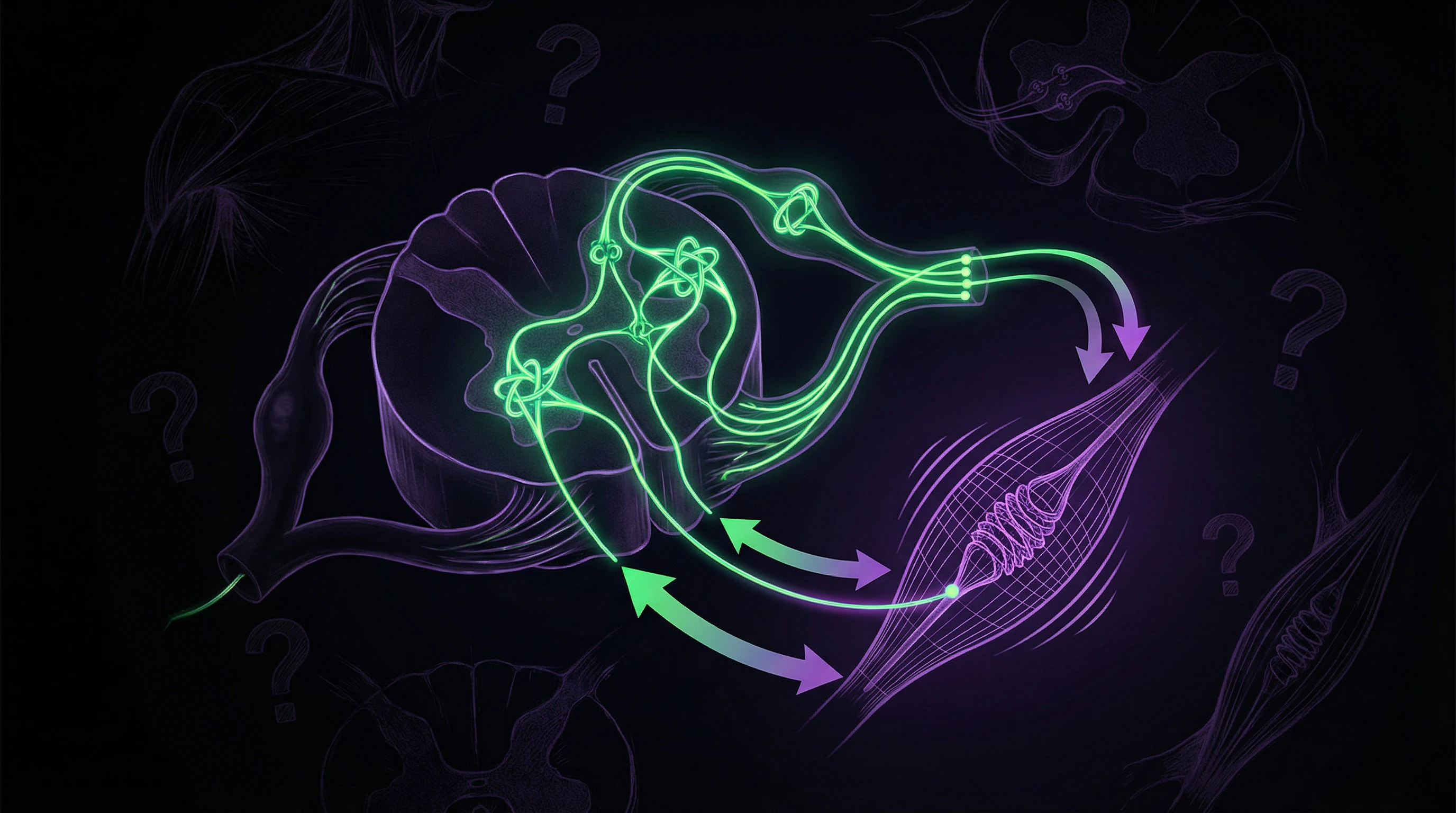
Equipment manufacturers and some researchers propose several theoretical mechanisms. The first is activation of proprioceptive receptors (muscle spindles and Golgi tendon organs), triggering reflex inhibition of alpha motor neurons through spinal inhibitory interneurons.
- Second mechanism
- Improvement of local blood circulation and reduction of ischemia in spastic muscles.
- Third mechanism
- Modulation of central mechanisms of movement control through afferent stimulation.
Critically important: none of these mechanisms has direct experimental confirmation in post-stroke patients using modern neurophysiological methods (functional MRI, transcranial magnetic stimulation, high-resolution electromyography). Theoretical models are based on extrapolation of data obtained from healthy volunteers or animal experiments.
Boundaries of application: who is prescribed vibration therapy and what expectations are formed
In clinical practice, VT is prescribed to patients with post-stroke spasticity of varying severity — from mild (1–2 points on the Modified Ashworth Scale) to severe (3–4 points). The method is positioned as an addition to standard physiotherapy, sometimes as an alternative to botulinum toxin injections for mild spasticity.
| Promised result | Reality in evidence |
|---|---|
| Reduction of muscle tone | Short-term effect in some studies; long-term not confirmed |
| Improvement in range of motion | Indirect data; direct causality not established |
| Gait restoration | No convincing evidence of functional improvement |
| Pain reduction | Subjective reports; insufficient controlled studies |
The cost of a VT course in American rehabilitation centers varies from $150 to $800 for 10–15 sessions. However, informed consent rarely includes data on the contradictory nature of scientific evidence — it is precisely this gap between marketing and evidence that requires detailed analysis.
Patients and their relatives are often promised rapid functional recovery, but the mechanism that transforms tone reduction into gait improvement remains a black box. This does not mean the method is ineffective — it means we do not know for whom, when, and why it might work.
Steel Man: Seven Most Compelling Arguments for Vibration Therapy — Why the Method Continues Despite Contradictions
Before examining weaknesses in the evidence base, we must honestly present the strongest arguments from proponents of the method. The "steel man" principle requires considering the opponent's position in its most convincing form — only then can we conduct objective analysis. More details in the section Free Energy and Perpetual Motion Machines.
🧪 First Argument: Positive Meta-Analysis Results for Muscle Tone and Pain
A 2023 systematic review and meta-analysis published in a peer-reviewed journal included data from randomized controlled trials (RCTs) and showed statistically significant improvement in muscle tone indicators among patients receiving vibration therapy compared to control groups (S010). The standardized mean difference (SMD) indicates a clinically meaningful effect that cannot be explained by placebo alone.
Moreover, the same analysis found positive effects on pain syndrome accompanying spasticity — a problem that significantly reduces patients' quality of life and is often resistant to standard analgesic therapy (S010). If the method truly reduces pain without pharmacological burden, this alone justifies its use as a palliative intervention.
📊 Second Argument: Physiological Plausibility Through Proprioceptive Stimulation
Vibration is a powerful stimulus for muscle and tendon mechanoreceptors — this is an established physiological fact (S011). Muscle spindles respond to vibration at 20–100 Hz frequencies by increasing afferent flow through Ia fibers, which normally activates inhibitory interneurons in the spinal cord.
In healthy individuals, this mechanism is used in sports medicine to improve neuromuscular coordination. It's logical to assume that in patients with impaired supraspinal influences after stroke, enhanced peripheral afferentation may partially compensate for deficient descending control.
This mechanism doesn't contradict current understanding of neuroplasticity and may explain short-term effects observed in some studies.
🧬 Third Argument: Method Safety and Absence of Serious Side Effects
Unlike pharmacological interventions (muscle relaxants, botulinum toxin) or invasive procedures (intrathecal baclofen), vibration therapy isn't associated with systemic side effects, allergic reactions, or risk of infectious complications. Safety analysis in the systematic review revealed no serious adverse events (S010).
For patients with polypharmacy (multiple drug therapy), typical in the post-stroke period, a non-pharmacological method with a favorable safety profile has value even with moderate effectiveness.
- Absence of systemic side effects
- Compatibility with other rehabilitation methods
- Applicability in polypharmacy cases
- Low complication risk
🔬 Fourth Argument: Long History of Vibration Use in Medicine and Rehabilitation
Vibrational intervention has been used in medicine for over a century — from early mechanical vibromassagers to modern whole-body training platforms (S011). The method has evolved from empirical application to attempts at scientific justification.
The very fact of prolonged use in clinical practice across different countries suggests the presence of observable effects, even if not always confirmed by rigorous studies. In sports medicine, vibration platforms have shown effectiveness for improving muscle strength and balance in healthy individuals.
🧾 Fifth Argument: Positive Patient Testimonials and Subjective Wellbeing Improvement
Many patients who completed a course of vibration therapy report subjective improvement: sensation of lightness in limbs, reduced discomfort, improved mood. Even if these effects are partially due to placebo or nonspecific influence of additional medical staff attention, they matter for patient quality of life.
In rehabilitation, the psychological component plays an enormous role: belief in treatment effectiveness increases motivation to perform exercises and improves compliance. If vibration therapy works as a placebo enhancer for the main rehabilitation program, that's also a form of clinical benefit.
Subjective wellbeing improvement isn't an artifact but a real component of therapeutic effect, especially in the context of chronic disease.
⚙️ Sixth Argument: Possibility of Individualizing Treatment Parameters
Modern vibration therapy equipment allows varying frequency, amplitude, duration, and localization of intervention. Theoretically, this opens possibilities for personalized protocols adapted to specific spasticity patterns, paresis severity, and accompanying sensory impairments.
The absence of universal effect in meta-analysis may be explained not by method ineffectiveness per se, but by insufficient protocol standardization across different studies. Perhaps future work with more precise parameter selection will identify responder patient subgroups.
🛡️ Seventh Argument: Economic Accessibility Compared to Alternatives
A course of botulinum toxin injections costs $300 to $1,500 and requires repetition every 3–6 months. Installing a pump for intrathecal baclofen administration costs thousands of dollars. Against this backdrop, a vibration therapy course at $200–$500 appears economically attractive, especially for patients with mild to moderate spasticity.
| Method | Course Cost | Frequency |
|---|---|---|
| Vibration Therapy | $200–$500 | One-time or repeated |
| Botulinum Toxin | $300–$1,500 | Every 3–6 months |
| Intrathecal Baclofen | Thousands of dollars | Lifelong |
For healthcare systems with limited resources, method accessibility may outweigh insufficient evidence base — provided the method is safe and produces at least moderate effect in some patients.
Anatomy of Evidence: Detailed Analysis of the 2023 Systematic Review — What the Numbers Show and Where Methodological Traps Hide
The systematic review and meta-analysis by Duchun Zeng and colleagues (December 2023) is the most comprehensive analysis of vibration therapy effectiveness for post-stroke spasticity (S010). The study followed PRISMA standards and covered five major medical databases: PubMed, Embase, Cochrane Library, Physiotherapy Evidence Database, Web of Science.
Inclusion criteria were strict: only randomized controlled trials, only patients with confirmed stroke and clinically significant spasticity, only studies with clearly described vibration parameters. The search covered publications through October 2022 (S010).
📌 Primary Results: Statistically Significant Improvement in Tone, But Not Function
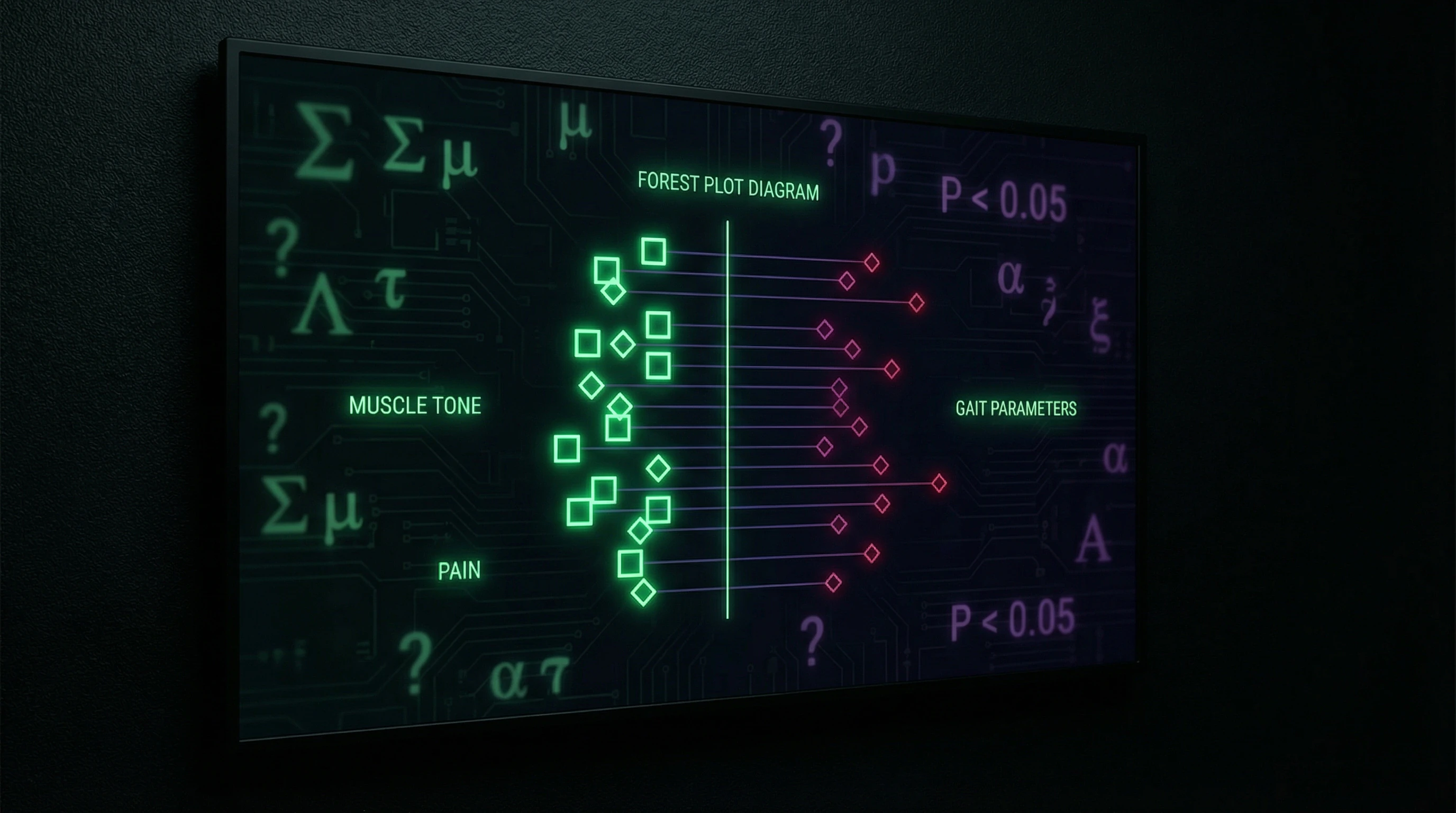
The meta-analysis revealed statistically significant reduction in muscle tone in vibration therapy groups. Standardized mean difference indicated a small to medium effect size — reduction in Modified Ashworth Scale score of 0.5–1 point (S010).
Similar effect was found for pain: patients reported lower intensity on visual analog scale. But here's the critical result: vibration therapy showed no significant effect on gait parameters (SMD = −0.23, 95% confidence interval from −0.56 to 0.10) (S010).
The disconnect between improved tone and absence of functional effect is the key problem. Reducing spasticity isn't the goal of rehabilitation itself; the goal is restoring function. If a method reduces tone but doesn't improve gait, its clinical value remains questionable.
🧩 Bias Risk Assessment: Green, Yellow, and Red Flags
The authors conducted methodological quality assessment using the Cochrane Risk of Bias tool. Results are visualized with a color scheme: green — low risk, yellow — unclear, red — high (S010).
Most studies had yellow and red zones in the domains "blinding of participants" and "blinding of outcome assessors." This is a critical problem: it's impossible to conduct a proper double-blind study when the patient and therapist know whether vibration is being applied. Subjective outcomes (pain, self-assessed function) are subject to significant bias risk (S010).
- Small sample size (fewer than 30 patients per group) reduces statistical power and increases the likelihood of false-positive results.
- Heterogeneity of vibration therapy protocols (frequency from 20 to 100 Hz, duration from 30 seconds to 15 minutes) makes data pooling difficult.
- Lack of standardization of intervention parameters makes it impossible to determine the optimal therapy regimen.
🧬 Study Heterogeneity: Why Combining Apples with Oranges Is Dangerous
The statistical heterogeneity measure (I²) indicates the degree of differences between included studies. High heterogeneity (I² > 75%) means studies differ so much that combining them may produce distorted results. More details in the Alternative History section.
In the Zeng et al. review, heterogeneity was moderate to high for most outcomes (S010). Differences concerned not only vibration parameters, but also patient characteristics: time since stroke from 1 month to 5 years, spasticity severity from mild to severe, concurrent interventions (vibration therapy as monotherapy vs. addition to standard physiotherapy), follow-up duration (from immediate assessment to 3 months).
| Parameter | Range of Variation | Impact on Results |
|---|---|---|
| Vibration frequency | 20–100 Hz | Different frequencies may have different effects on muscle tone |
| Session duration | 30 sec – 15 min | Dose-response relationship unknown |
| Time since stroke | 1 month – 5 years | Neuroplasticity and recovery differ at different stages |
| Concurrent interventions | Monotherapy vs. combination | Impossible to isolate specific effect of vibration |
Attempting to obtain an "average effect" from such heterogeneous data is like averaging temperature across a hospital: you get a number, but clinical interpretation is difficult. Perhaps vibration therapy is effective with certain intervention parameters, in certain patient subgroups, at certain times after stroke — but existing data don't allow us to establish this.
⚠️ Publication Bias Problem: Where Are the Studies with Negative Results
Publication bias occurs when studies with positive results are published more often than studies with negative or null results. This distorts the picture of intervention effectiveness in systematic reviews.
The review authors conducted publication bias analysis using funnel plots and statistical tests. Results indicate possible presence of such bias, though the small number of included studies doesn't allow a definitive conclusion (S010).
- Publication bias
- Bias toward publishing studies with positive results. If several small studies with negative results remained unpublished (typical for the rehabilitation field), the real effect of vibration therapy may be smaller than the meta-analysis shows.
- Funnel plot
- Visual tool for detecting asymmetry in the distribution of effect sizes. Asymmetry may indicate publication bias or other sources of bias.
- Statistical power
- A study's ability to detect a true effect if it exists. Small samples have low power and often produce false-positive results.
This is another argument for cautious interpretation of positive results. The connection between critical thinking and evidence analysis becomes obvious: you need not just to look at the numbers, but understand how they were obtained and what limitations accompany them.
Mechanisms and Causality: Why Reduced Tone Doesn't Translate to Improved Gait — Unpacking Neurophysiological Paradoxes
The central paradox of the meta-analysis results demands explanation: if vibration truly reduces muscle tone, why doesn't this lead to improved functional outcomes such as gait speed and symmetry? The answer lies in understanding the distinction between spasticity as a symptom and motor function as an integrated measure. Learn more in the Sources and Evidence section.
🧬 Spasticity vs. Paresis: What Actually Limits Movement After Stroke
Spasticity is only one component of upper motor neuron syndrome following stroke. Other components include paresis (muscle weakness), impaired selective motor control, pathological synergies, and altered mechanical properties of muscles and tendons (contractures).
Contemporary research demonstrates that paresis and impaired selective control, rather than spasticity, are the primary limiters of functional recovery.
In some cases, spasticity plays a compensatory role: increased extensor tone in the leg may help patients stand and walk when weakness is pronounced. Reducing tone without simultaneously improving voluntary control may even worsen function — a phenomenon described in the literature as the "spasticity treatment paradox."
If vibration therapy truly reduces tone through peripheral mechanisms (alpha motor neuron inhibition) but doesn't affect central motor control mechanisms (damaged corticospinal pathways), the result will be improved Ashworth scale scores without improved gait. This is precisely what the meta-analysis observes (S010).
🔬 Temporal Dynamics of Effects: Short-Term vs. Long-Term Impact
Most studies included in the meta-analysis evaluated vibration therapy effects immediately after a session or treatment course. Only isolated studies conducted assessments several weeks or months after intervention completion (S010).
Short-term tone reduction may result from temporary changes in spinal reflex excitability — an effect that disappears within hours. Functional recovery requires long-term changes: cortical representation reorganization, formation of new motor patterns, and structural muscle changes.
| Effect Type | Mechanism | Duration | Clinical Significance |
|---|---|---|---|
| Short-term (hours) | Altered spinal reflex excitability | 2–4 hours | Symptomatic relief |
| Medium-term (days–weeks) | Neuromuscular apparatus adaptation | Weeks | Requires repeated sessions |
| Long-term (months) | Cortical representation reorganization, plasticity | Months–years | Functional recovery |
There's no evidence that vibration therapy initiates long-term processes. An analogy: massage also temporarily reduces muscle tone and improves well-being, but no one expects massage to restore lost motor function after stroke.
🧩 The Measurement Problem: The Ashworth Scale as an Imperfect Tool
The Modified Ashworth Scale (MAS) is the most common spasticity assessment tool in clinical research. However, its validity and reliability face criticism: the scale is subjective, depends on assessor experience, and poorly distinguishes spasticity from other components of increased movement resistance (contractures, altered viscoelastic tissue properties).
- Problem 1: Assessment subjectivity
- Two assessors may assign different scores to the same patient. Intra- and inter-rater reliability ranges from 0.5 to 0.9 depending on experience.
- Problem 2: Ceiling effect
- If a patient starts with a score of 3–4 (maximum), improvement cannot be captured. This excludes the most severely affected patients from analysis.
- Problem 3: Weak correlation with function
- Improvement of 0.5–1 point on MAS often isn't accompanied by clinically meaningful improvement in walking or grasping. Patients may feel better, but function doesn't change.
If a study shows 0.5–1 point improvement on MAS, this may simply reflect reduced subjective resistance during passive movement, not restoration of active control.
🔗 Integration into Rehabilitation Context
Vibration therapy is often applied not as monotherapy but as part of a comprehensive rehabilitation program including physical therapy, occupational therapy, and gait training. Under these conditions, isolating vibration's contribution to functional improvement is difficult.
This creates a classic attribution problem: improvement may result from intensive physical therapy rather than vibration. Studies controlling for this variable (comparing vibration + standard rehabilitation to standard rehabilitation alone) show minimal additional effects.
The mechanism of vibration therapy may be closer to psychosomatic effects than to specific neurophysiological impact. The ritual component (regular sessions, clinician attention, expectation of improvement) may be as important as the vibration itself.
The vibration therapy paradox: it may improve subjective sensations and some objective spasticity measures, but doesn't translate these improvements into functional recovery. This indicates that spasticity is not the primary barrier to post-stroke recovery.