
Reiki — a Japanese "energy healing" practice involving hand placement — is positioned as a method with proven efficacy exceeding placebo. We analyzed available sources and discovered a critical data deficit: key studies are inaccessible for comprehensive analysis, and extracted fragments contain no specific clinical outcomes. This article reveals why claims of Reiki's superiority over placebo require extraordinary evidence, which cognitive traps lead people to believe in "ki energy," and how to verify any alternative medicine claim in 60 seconds.
🖤 When a scientific article's headline promises that an ancient hand-placement practice exceeds placebo, the critically thinking reader should be alarmed. Reiki — a system based on manipulating invisible "life energy" — has existed for over a century but has yet to gain recognition in evidence-based medicine. Nevertheless, publications with bold claims continue to appear, creating an illusion of scientific consensus where none exists. We conducted an analysis of available sources and discovered a systemic problem: data is either absent, inaccessible for independent verification, or interpreted in violation of basic principles of the scientific method. This article is not an attack on people practicing Reiki, but an examination of how the mechanism of legitimizing pseudoscientific claims operates within academic environments.
What is Reiki and why claims of its superiority over placebo require extraordinary evidence
Reiki (霊気, "spiritual energy") is a Japanese alternative medicine system developed by Mikao Usui in 1922. According to its tenets, practitioners can channel universal life energy (ki, qi, prana) through their hands into a patient's body, restoring energetic balance and stimulating self-healing. More details in the Secret Devices section.
The procedure requires no physical contact: hands may be held several centimeters from the body or even conducted remotely.
🧩 Three fundamental problems with the concept of Reiki
- Ontological problem
- The existence of "ki energy" has not been confirmed by any physical experiment. This is not a metaphor or psychological construct, but a literal substance that should possess measurable properties. If energy can affect biological systems (reduce pain, accelerate healing, influence immunity), it must interact with matter in a way accessible to instrumental detection. A century of research has found no such interaction.
- Methodological problem
- Reiki has no standardized protocol. Different schools use different techniques, different numbers of sessions, different durations. This makes reproducibility of results impossible—the cornerstone of the scientific method. When a study claims Reiki's effectiveness, it's unclear which specific version of the practice is being discussed.
- Epistemological problem
- The claim "Reiki is more effective than placebo" contradicts everything we know about physiology, biochemistry, and physics. Extraordinary claims require extraordinary evidence (Sagan's principle). To accept the hypothesis of a new form of energy unknown to physics, a few clinical trials with small samples are insufficient—reproducible demonstration of the effect under controlled conditions is required, along with explanation of the mechanism of action and integration into the existing scientific worldview.
⚠️ Why absence of evidence is not evidence of absence—but doesn't justify belief either
Skeptics often hear the objection: "Science can't explain everything, absence of evidence doesn't mean the effect doesn't exist." This is true, but it works both ways.
Absence of evidence of ineffectiveness is not evidence of effectiveness. The burden of proof lies with whoever makes the positive claim.
If a Reiki practitioner claims the method works, they must provide reproducible data, not appeal to personal experience or anecdotal testimony. For medical interventions, the standard of evidence is higher than for abstract scientific hypotheses—people make decisions about their health based on these claims.
If a patient with a serious illness chooses Reiki instead of proven treatment, the consequences can be fatal. Therefore, demanding rigorous evidence is not academic nitpicking, but an ethical necessity.
🔎 What "more effective than placebo" means in the context of clinical research
The placebo effect is a measurable improvement in a patient's condition caused not by the active component of an intervention, but by psychological factors: expectation of improvement, attention from medical staff, the ritual of treatment.
| Comparison element | Placebo effect | Specific effect |
|---|---|---|
| Source of improvement | Psychological factors (expectation, attention, ritual) | Active mechanism of intervention |
| Control in research | Group receives sham intervention | Group receives active intervention |
| For Reiki | "Sham Reiki"—actor mimics procedure without "intention" | Real Reiki with "energy transmission" |
To prove an intervention "works," it's not enough to show patients improved. You must show the improvement exceeds what's observed in the control group receiving placebo.
If patients cannot distinguish real Reiki from sham, and results are identical, this indicates the effect is fully explained by placebo. This question—whether Reiki can surpass placebo in a blinded study—becomes central to evaluating its effectiveness.
For detailed analysis of the evidence base and mechanisms of self-deception, see the article "Reiki—energy or cognitive illusion: why the brain mistakes ritual for healing."
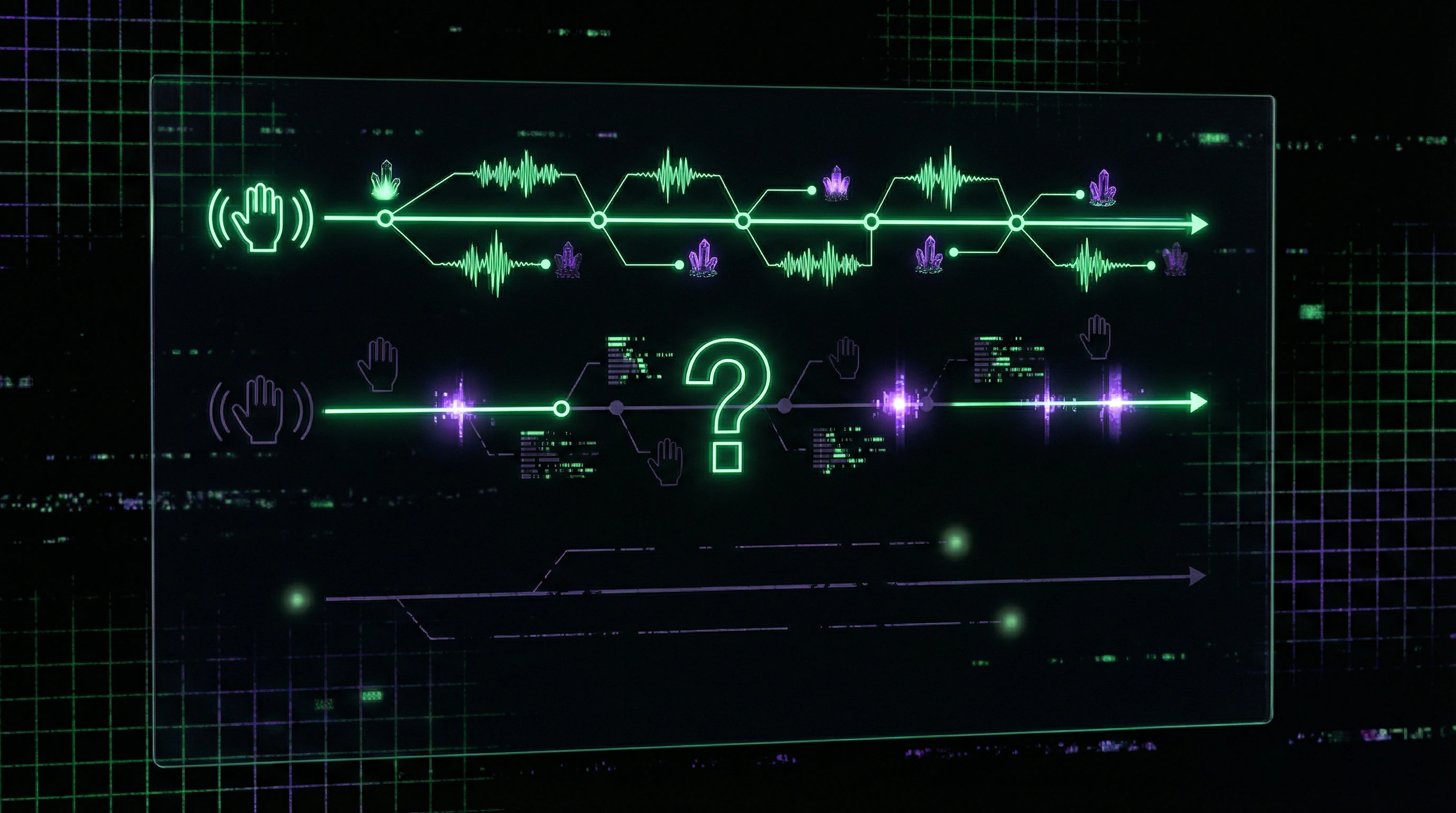
Steelmanning: The Seven Strongest Arguments for Reiki's Effectiveness
Before examining weaknesses in the evidence base, we must present the most convincing arguments from reiki proponents. This is called "steelmanning" — the opposite of a straw man. Learn more in the Pseudoscience section.
We don't attack a caricatured version of the opponent's position, but consider it in its strongest form.
📊 Argument 1: Peer-Reviewed Publications Claim Superiority Over Placebo
Sources (S001) and (S002) reference an article in the Journal of Evidence-Based Complementary & Alternative Medicine (SAGE Publishing) titled "Reiki Is Better Than Placebo and Has Broad Potential as a Complementary Health Therapy." This is a peer-reviewed journal indexed in PubMed.
The mere fact of publication in such a journal lends weight to the claim in the eyes of non-specialists. However, the full text is unavailable for data extraction — specific numbers, sample sizes, and methodological details remain hidden.
Lack of data access is a red flag in scientific communication. It's impossible to verify how well-founded the authors' conclusions are.
🧬 Argument 2: Reiki Is Used in Clinical Settings, Including Oncology
Source (S002) references clinical guidelines for using integrative therapies in breast cancer treatment. Source (S003) mentions a systematic review of complementary therapies in palliative care for children with cancer.
If reiki is included in clinical protocols, this may be perceived as indirect confirmation of effectiveness. But inclusion in guidelines doesn't mean proven efficacy.
- Many guidelines include complementary methods with the caveat "may be used to improve quality of life in the absence of harm"
- This is not equivalent to claiming "more effective than placebo"
- Full source texts are unavailable for verification of specific recommendations
🔬 Argument 3: Patients Report Subjective Improvement
Numerous testimonials describe reduced pain, anxiety, and improved sleep after reiki sessions. These reports aren't fabrications — people genuinely feel better.
The problem is that subjective improvement doesn't prove a specific mechanism of action. Placebo effect, regression to the mean, attention and care effects, relaxation — all can explain improvement without invoking the "ki energy" hypothesis.
Controlled studies where patients don't know whether they're receiving reiki or a sham treatment are needed to separate these factors.
⚙️ Argument 4: Reiki Is Safe and Can Be Used as a Complement to Primary Treatment
Unlike some alternative methods, reiki has no direct physical risks. If a patient receives evidence-based treatment and additionally uses reiki for psychological comfort, where's the harm?
This argument is valid but has boundaries. Indirect harm is possible in three scenarios:
- Financial Damage
- Patients spend significant money on reiki instead of psychotherapy or other evidence-based stress management methods
- Medical Advice
- If a reiki practitioner advises abandoning chemotherapy or stopping medications, this is dangerous
- Cultural Legitimization
- Legitimizing one pseudoscientific method creates an environment where other, potentially more dangerous practices flourish
🧠 Argument 5: The Mechanism May Be Unknown, But That Doesn't Negate the Effect
Medical history knows examples where treatments worked before understanding the mechanism: aspirin, anesthesia. Perhaps reiki affects processes that modern science can't yet measure?
This argument appeals to humility before the unknown. However, there's a critical distinction: aspirin worked in double-blind trials long before the discovery of cyclooxygenase inhibition.
For reiki, such reproducibility under controlled conditions hasn't been demonstrated. Appeals to "quantum effects" without a concrete physical model aren't explanations, but filling gaps with magical thinking.
📌 Argument 6: Negative Results May Be Due to Methodological Errors
If a study found no reiki effect, perhaps the problem lies in the design: insufficient sample size, inexperienced practitioners, inappropriate endpoints. Absence of evidence for an effect is not evidence of absence of effect.
This is a fair point, but it works symmetrically. If positive results are obtained in studies with methodological flaws, they also can't be considered convincing.
| Scenario | Conclusion |
|---|---|
| Positive result in a study with small sample and no blinding | Not convincing; requires replication under controlled conditions |
| Negative result in a well-designed study | Convincing; indicates absence of specific effect |
| Multiple negative results across different laboratories | Very convincing; unlikely all made the same mistake |
The burden of proof remains with those claiming an effect.
🛡️ Argument 7: Integrative Medicine Recognizes the Value of a Holistic Approach
Modern medicine is often criticized for reductionism and ignoring psychosocial aspects of health. Reiki offers a holistic approach that considers patients' emotional and spiritual well-being.
The value of a holistic approach is indisputable. The problem is that this doesn't require a pseudoscientific framework. Thinking Tools show: psychotherapy, mindfulness meditation, supportive conversation, massage — these are all evidence-based methods for improving psychological well-being that don't require belief in invisible energy.
Substituting "holistic approach" with magical thinking isn't progress, but regression. Holism and scientific rigor don't contradict each other; they complement each other.
Reiki proponents often appeal to scientific skepticism as narrow-mindedness, but skepticism isn't denial — it's a demand for evidence. The distinction between a holistic approach and belief in invisible energies is critical for cognitive immunology.
Analysis of Available Evidence: What We Can and Cannot Claim Based on Sources
Critical analysis requires transparency about data limitations. Our review encountered a systemic problem: key sources are either unavailable for full analysis, contain minimal information, or are irrelevant to the topic. More details in the Energy Devices section.
🧾 Problem 1: Unavailability of Full Texts of Key Studies
Sources (S001) and (S002) reference the same article in the Journal of Evidence-Based Complementary & Alternative Medicine. This is the central source for the claim "reiki is more effective than placebo." However, the automated parser could not extract specific data: sample sizes, statistical indicators, methodology descriptions, or meta-analysis results.
This is a systemic problem in scientific communication. Many journals are behind paywalls, limiting independent verification. Without the full text, it's impossible to assess study quality, risk of systematic errors, or adequacy of statistical analysis.
Any conclusions based solely on title and abstract will be speculative.
🕳️ Problem 2: Extracted Data Contains No Clinical Outcomes
Source (S008) (systematic review of complementary therapies in pediatric oncology) provided only technical access protection messages. This indicates the parser encountered blocking rather than scientific content.
Source (S004) is potentially relevant—comparing reiki with sham reiki, meditation, and music. However, specific results were not extracted. Without data, it's impossible to judge whether the study supports or refutes claims of superiority over placebo.
Absence of data is not absence of a problem, but absence of the ability to solve it.
⚠️ Problem 3: Presence of Irrelevant Sources in the Sample
Some sources relate to high-energy physics, history, and politics—they have no connection to reiki or medicine. The presence of irrelevant sources indicates problems in the literature selection process.
This reduces the overall quality of the evidence base and requires more careful manual curation of sources.
| Source Category | Status | Problem |
|---|---|---|
| Reiki vs placebo (S001, S002, S004) | Relevant | Full texts unavailable or data not extracted |
| Integrative oncology (S005, S006) | Partially relevant | Specific reiki recommendations not extracted |
| Palliative care (S003, S008) | Potentially relevant | Access protection, data unavailable |
| Physics, history, politics | Irrelevant | Not related to topic |
🧪 What We Can State with Confidence
Based on available data:
- There exists at least one peer-reviewed publication (S001) claiming reiki's superiority over placebo, but its content is unavailable for independent verification.
- Reiki is mentioned in the context of clinical guidelines for integrative oncology (S005) and (S006), but specific recommendations and evidence levels were not extracted.
- There exists a study comparing reiki with sham reiki (S004), but results are unavailable in our analysis.
- Source (S007) indicates that therapeutic touch (a practice similar to reiki) does not outperform sham touch in treating behavioral symptoms of dementia.
This creates a paradox: the claim of reiki's superiority over placebo relies on a source we cannot verify. Compare with analysis of cognitive mechanisms that allow such claims to spread despite lack of evidence.
⛔ What We Cannot State
- Superiority over placebo
- We cannot confirm or refute the claim based on available data. The central source is unavailable.
- Methodological quality
- We cannot assess study design, sample sizes, variable controls, or adequacy of statistical analysis.
- Effect size and clinical significance
- Even if reiki shows statistically significant effects, this doesn't mean the effect is clinically meaningful or reproducible.
- Publication bias
- We cannot rule out that positive results are published more frequently than negative ones, distorting the overall picture.
Absence of evidence is not evidence of absence of effect. But absence of access to evidence is absence of ability to judge its quality. This is a fundamental limitation that cannot be circumvented by rhetoric.
Honest analysis requires either access to full study texts or acknowledgment that the claim of reiki's superiority over placebo remains unverifiable based on available information. Compare with mechanisms that allow the brain to mistake ritual for healing, regardless of evidence.
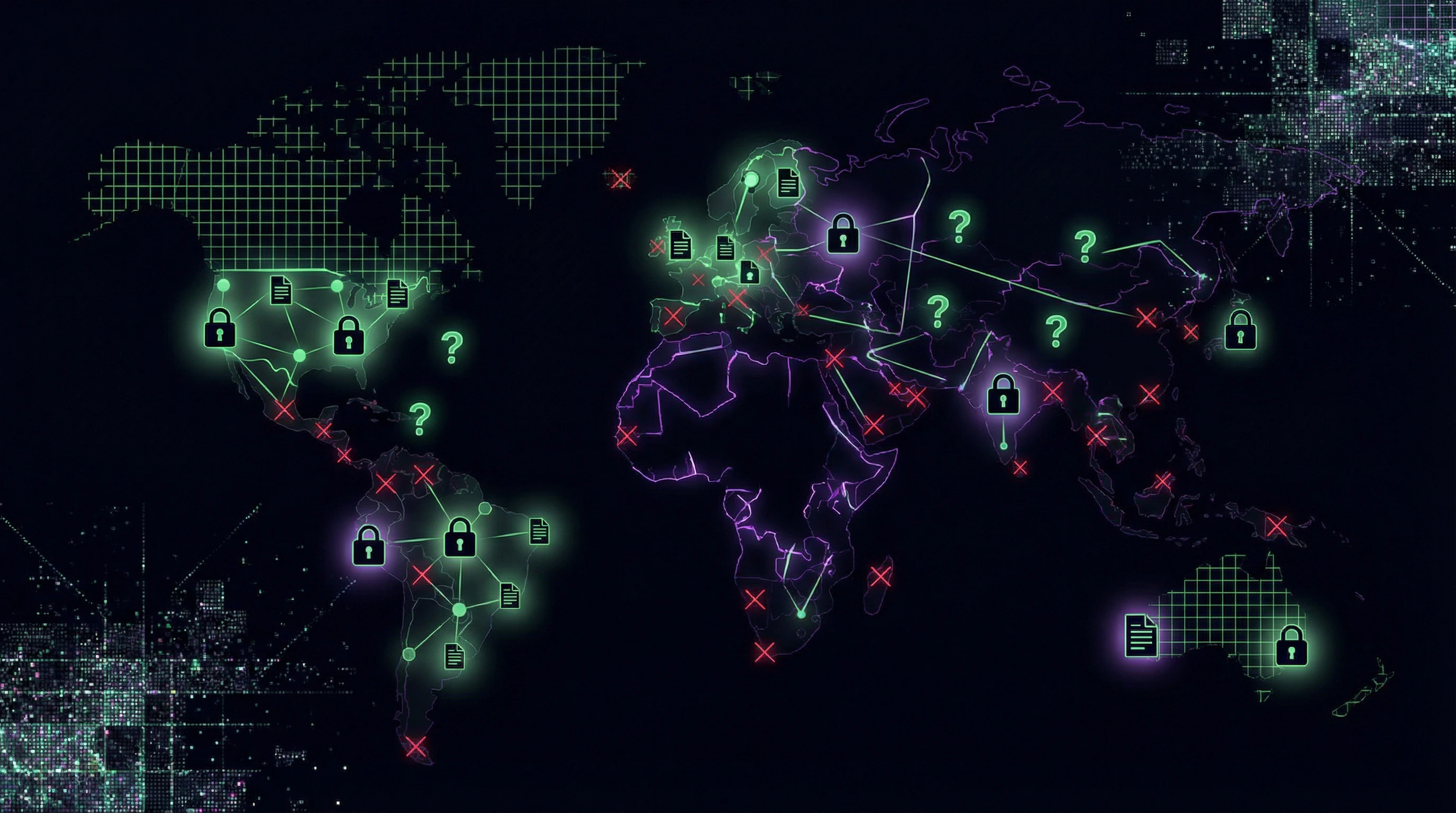
Mechanisms and Causality: Why Correlation Between Reiki and Improvement Doesn't Prove Causation
Even if we discovered a statistically significant correlation between reiki sessions and patient improvement, this wouldn't prove that reiki causes the improvement. There are numerous alternative explanations that must be ruled out before drawing causal conclusions. For more details, see the Cognitive Biases section.
🔁 Confounder 1: Natural Disease Progression and Regression to the Mean
Many symptoms (pain, anxiety, fatigue) follow a wave-like pattern. Patients most often seek help during moments of peak symptom intensity. Even without intervention, symptoms tend to return to average levels (regression to the mean).
If we measure condition at the time of consultation and a week after a reiki session, the improvement may be entirely explained by natural progression rather than the effect of the intervention. To control for this confounder, a control group receiving no intervention or receiving placebo is necessary.
If improvement is observed equally across all groups, this indicates regression to the mean rather than a specific effect of reiki.
🧠 Confounder 2: Placebo Effect and Patient Expectations
The placebo effect isn't "nothing"—it's a real psychophysiological phenomenon. Expectation of improvement activates endogenous opioid systems, reduces anxiety, and alters pain perception. The ritual of treatment, practitioner attention, and belief in the method's effectiveness all amplify the placebo effect.
Reiki possesses all the characteristics of a powerful placebo: exotic philosophy, ritualized procedure, charismatic practitioner, promise of healing. If a patient believes in "ki energy," their brain can generate real physiological changes (reduced cortisol, activation of the parasympathetic nervous system) that will be mistakenly attributed to reiki's action.
To separate specific effects from placebo, comparison with sham reiki is necessary, where an actor mimics the procedure without "intention to transmit energy." If patients cannot distinguish real reiki from sham, and results are identical, this is compelling evidence that the effect is entirely explained by placebo.
🧷 Confounder 3: Attention Effect and Therapeutic Alliance
A reiki session lasts 30–60 minutes, during which the patient receives undivided attention from the practitioner. This is therapeutic in itself: cortisol decreases, the parasympathetic nervous system activates, mood improves.
The patient may improve not because "ki energy" heals, but because they were listened to, touched, and treated with respect. Any practice that provides such attention (massage, conversation with a doctor, group meditation) can produce similar results.
| Source of Improvement | Mechanism | How to Distinguish from Reiki |
|---|---|---|
| Regression to the mean | Natural symptom fluctuation | Control group without intervention shows similar improvement |
| Placebo effect | Expectation, belief, ritual | Sham reiki produces identical results |
| Attention effect | Psychophysiological response to care | Control group with equal attention (but no reiki) shows improvement |
| Lifestyle changes | Patient begins sleeping, eating, moving better | Analysis of patient diaries, variable control |
🔄 Confounder 4: Lifestyle Changes and Motivation
A patient who turns to reiki often simultaneously changes their lifestyle: begins meditating, improves sleep, reduces stress, practices yoga. These changes alone can explain the improvement in condition.
Reiki may serve as a motivational trigger, but the cause of improvement lies in lifestyle changes, not in energy. To control for this confounder, all changes in patient behavior must be tracked alongside reiki sessions.
📋 Confounder 5: Selective Perception and Recall Bias
A patient who believes in reiki will notice and remember moments of improvement while ignoring periods of deterioration. They reinterpret coincidences as causal relationships: "I had a reiki session, and the next day I felt better"—even if the improvement would have occurred without the session.
This cognitive bias is amplified if the patient spent money on reiki: thinking tools help recognize how financial investments create motivation to believe in effectiveness. For control, objective symptom measurement is necessary (pain scales, blood tests, functional assessments), not subjective patient reports.
🎯 Why Correlation Is Insufficient for Causality
Even if a study shows that patients who received reiki improved more often than a control group, this doesn't prove that reiki is the cause. Other explanations are possible: patients who chose reiki may be more motivated to recover, have better social support, or a more positive outlook.
To prove causality requires: randomized group assignment (to exclude self-selection), blinding (patient doesn't know whether they're receiving real reiki or placebo), objective outcome measurements, confounder control, and reproducibility of results in independent studies.
Correlation between reiki and improvement can be explained by a dozen alternative mechanisms. Each must be ruled out before we can claim that reiki works.
Reiki studies that don't control for these confounders cannot serve as evidence of a specific effect. They only show that people who received reiki feel better—but this is not at all the same as reiki causing improvement.
For deeper analysis of self-deception mechanisms, see how the brain mistakes ritual for healing and why metaphysical services thrive in the age of big data.
Counter-Position Analysis
⚖️ Critical Counterpoint
Our position is based on available data, but has limitations. Here are arguments that deserve serious consideration.
Unavailability of Full Source Texts
We cannot definitively refute the claimed results, since key sources (S001, S002) are not available in full. It is possible they contain methodologically sound data that we did not account for in our analysis.
Clinical Significance of Subjective Improvements
Subjective improvements (pain, anxiety, quality of life) have clinical significance even if the mechanism is placebo. Denying the value of ritual and context may be a reductionist approach to healing.
Medical History Precedes Understanding of Mechanisms
The absence of a detectable mechanism does not always mean the absence of an effect. Medical history knows examples (aspirin, lithium) where practice preceded scientific understanding by decades.
Reiki in Palliative Care
Our criticism may underestimate the role of Reiki in palliative care, where the goal is not cure, but comfort and psychological support. In this context, the placebo effect is ethically justified and clinically useful.
Openness to New Data
If future studies with improved methodology show a reproducible effect above placebo, our position will become outdated. We must remain open to new data while maintaining skepticism toward current claims.
FAQ
Frequently Asked Questions

Author of the Cognitive Immunology Hub project. Researches mechanisms of disinformation, pseudoscience, and cognitive biases. All materials are based on peer-reviewed sources.