 🚫 Anti-Vaccine Movement
Debunking Vaccine Myths: Scientific Facts vs. Misinformationλ
Comprehensive analysis of common vaccination misconceptions based on evidence-based medicine and WHO recommendations for public health protection
Overview
Vaccines prevent 4–5 million deaths annually — a fact confirmed by WHO and clinical data from 194 countries. But myths about "toxins," "autism," and "weakened immunity" 🧬 spread faster than measles in unvaccinated populations — and create real epidemics where there shouldn't be any. We'll break down the mechanisms of misinformation and show why evidence-based medicine leaves these misconceptions no chance.
🛡️
Laplace Protocol: This section presents a scientifically grounded refutation of the most common vaccination myths, based on evidence-based medicine, recommendations from international health organizations, and research from leading medical institutions.
Reference Protocol
Scientific Foundation
Evidence-based framework for critical analysis
Protocol: Evaluation
Test Yourself
Quizzes on this topic coming soon
Sector L1
Articles
Research materials, essays, and deep dives into critical thinking mechanisms.
🚫 Anti-Vaccine Movement 🚫 Anti-Vaccine Movement
 🚫 Anti-Vaccine Movement
 🚫 Anti-Vaccine Movement
 🚫 Anti-Vaccine Movement
 🚫 Anti-Vaccine Movement
⚡
Deep Dive
The Autism-Vaccine Myth: How One Study Deceived Millions
The link between vaccines and autism is one of the most persistent medical myths, despite a complete absence of scientific evidence. This myth influences parental vaccination decisions, creating real risks through reduced herd immunity.
Origin of the Myth: 1998 and Fraud
In 1998, British physician Andrew Wakefield published a study in The Lancet claiming a link between the MMR vaccine and autism. The sample consisted of 12 children, the methodology contained serious violations, and the data was fabricated.
Wakefield received funding from lawyers preparing lawsuits against vaccine manufacturers—a direct conflict of interest that guaranteed the desired outcome.
Panic among parents led to a drop in MMR vaccination coverage from 92% to 80% in some regions. Outbreaks of measles, considered eliminated, returned with renewed force.
In 2004, ten of thirteen co-authors officially retracted their names. In 2010, The Lancet fully retracted the article as fraudulent. The UK General Medical Council stripped Wakefield of his license for ethical violations and falsification.
Scientific Refutation: Hundreds of Thousands of Children, Zero Link
After 1998, large-scale epidemiological studies were conducted covering hundreds of thousands of children. Not one found a link between vaccination and autism.
- Danish Study (2002)
- 537,303 children—no increased autism risk among vaccinated children.
- Japanese Study
- National data showed autism rates continued rising even after MMR vaccination was discontinued.
- Meta-analyses Over Two Decades
- Millions of children across different countries—not a single signal of a connection.
Why Are Autism Diagnoses Increasing?
Improved diagnostic criteria, increased physician awareness, expanded autism spectrum definitions—not vaccination. The increase began before mass vaccination and continued independently of vaccination coverage.
- Autism is diagnosed more frequently thanks to better specialist training
- Expanded DSM-5 criteria included more spectrum variations
- Parents and educators became more attentive to early signs
The pseudomedicine mechanism here is simple: temporal coincidence (vaccine + autism diagnosis at the same age) is perceived as causal connection. The brain seeks patterns, even when none exist.

Vaccine Component Safety: Chemistry Without Panic
The presence of chemical substances in vaccines is often used as an argument against immunization, however this approach ignores a fundamental toxicological principle: the dose makes the poison. All vaccine components undergo strict regulatory review and are present in quantities many times below toxic thresholds.
Aluminum and Formaldehyde in Safe Doses
Aluminum hydroxide is used as an adjuvant — a substance that enhances immune response, allowing reduction of the active component amount and number of doses. A typical vaccine contains 0.125–0.625 mg of aluminum.
| Aluminum Source | Amount |
|---|---|
| One vaccine dose | 0.125–0.625 mg |
| Breast milk (first 6 months) | ~7 mg |
| Infant formula | Up to 38 mg |
| Natural sources | Water, food, air; body eliminates through kidneys |
Formaldehyde is used in production to inactivate toxins and viruses, but residual amounts are minimal — less than 0.02 mg per dose. The body naturally produces formaldehyde as part of metabolism: its concentration in an infant's blood (about 1.1 mg/L) significantly exceeds the amount from a vaccine.
Formaldehyde is rapidly metabolized and does not accumulate in tissues at such low doses.
Mercury-Containing Compounds and Their Regulation
Thimerosal (ethylmercury) was used in multi-dose vials as a preservative against bacterial and fungal contamination. Critical distinction: ethylmercury is eliminated from the body significantly faster than methylmercury (which accumulates in fish) and does not accumulate in tissues.
- Ethylmercury (thimerosal)
- Rapidly eliminated, does not accumulate. No evidence of harm at vaccine doses.
- Methylmercury (fish)
- Accumulates in the body. Real risk with frequent consumption.
Since the early 2000s, most childhood vaccines are manufactured without thimerosal or with trace amounts (less than 0.0005 mg/dose) as a precautionary measure. Studies following thimerosal removal showed no decrease in autism rates or other neurological disorders.
The World Health Organization continues to consider thimerosal safe, particularly important for multi-dose vials in resource-limited countries, where absence of preservative creates risk of fatal infections.
Myths About the Flu Vaccine: An Underestimated Threat
Influenza is often perceived as a mild seasonal illness that doesn't require special prevention. This misconception is particularly dangerous for at-risk groups: elderly people, pregnant women, children, and individuals with chronic conditions.
Scientific evidence unequivocally demonstrates both the seriousness of influenza as a public health threat and the effectiveness of vaccination in preventing it.
The Seriousness of Influenza as a Health Threat
Annually, influenza causes 3 to 5 million cases of severe illness and 290,000 to 650,000 deaths worldwide. The majority of fatalities occur among high-risk groups.
Influenza can lead to serious complications: viral and bacterial pneumonia, myocarditis, encephalitis, and exacerbation of chronic heart and lung diseases. In pregnant women, influenza increases the risk of preterm birth, low birth weight, and maternal hospitalization.
The economic burden of influenza includes direct medical costs and productivity losses due to temporary disability—billions of dollars annually on a global scale.
| Factor | Significance |
|---|---|
| Virus constantly mutates | Explains the need for annual vaccination with updated strain composition |
| Influenza pandemics (H1N1, 2009) | Demonstrate the virus's potential to cause global healthcare crises |
Impossibility of Infection from Modern Vaccines
Inactivated influenza vaccines contain killed viral particles that are physically incapable of causing infection. Live attenuated vaccines (nasal spray) contain weakened viruses that replicate only at the temperature of the nasal passages.
- Mild symptoms after vaccination (pain at injection site, low-grade fever, muscle aches)
- Normal immune response, not infection. Indicate that the body has recognized the antigen and begun producing protection.
- Contracting influenza shortly after vaccination
- Usually explained by infection before vaccination, during the immunity development period (approximately two weeks), or infection with a strain not included in the current season's vaccine.
Flu vaccine effectiveness varies from 40% to 60% depending on the match between vaccine strains and circulating strains. Even with partial matching, vaccination reduces disease severity and complication risk.
Influenza vaccination is recommended for all individuals over six months of age in the absence of contraindications, especially high-risk groups.
COVID-19 Vaccines and DNA: Why mRNA Doesn't Alter Your Genome
How mRNA Vaccines Work
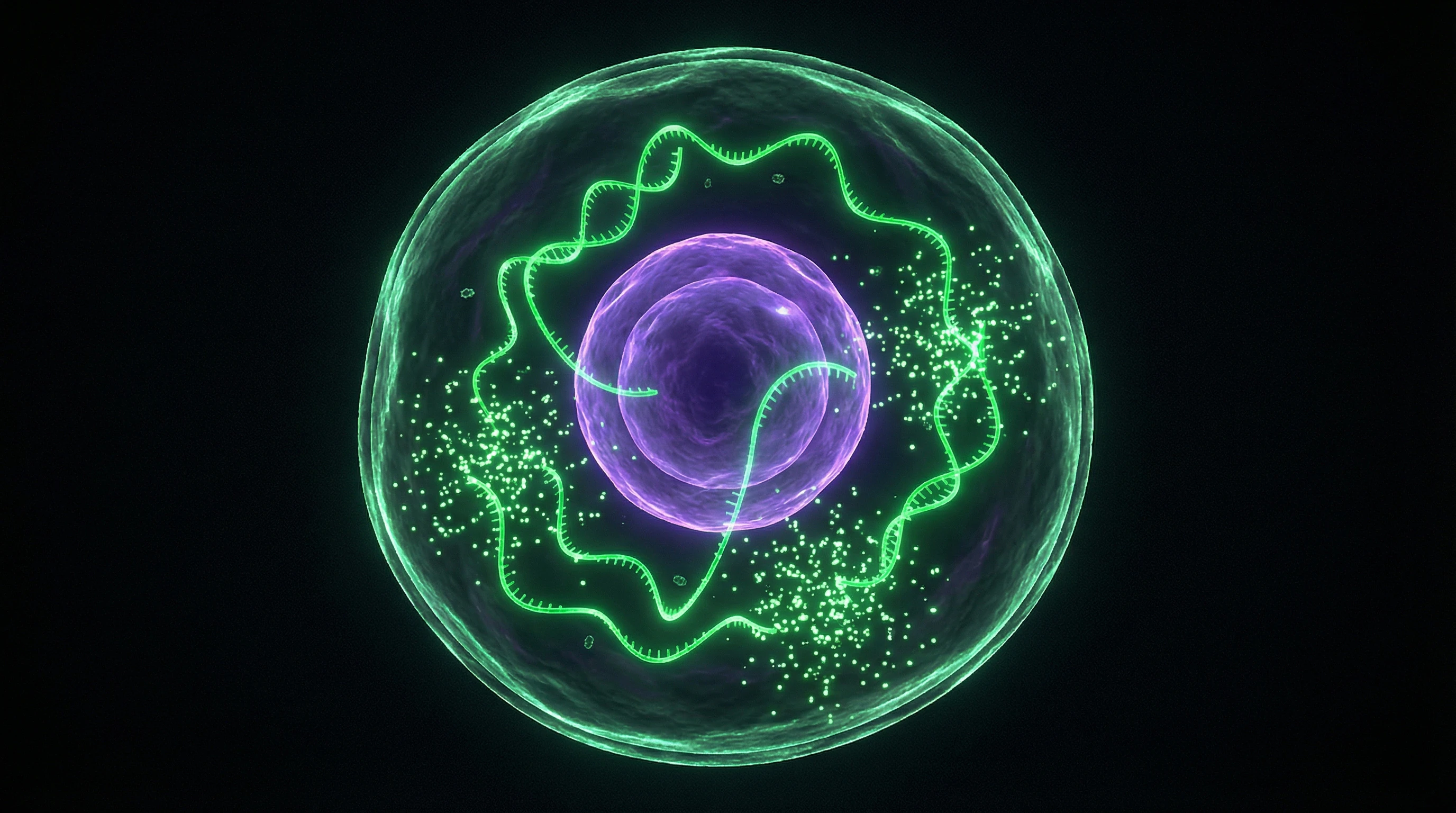
The mRNA in COVID-19 vaccines is an instruction molecule that enters the cell's cytoplasm and serves as a template for ribosomes to synthesize the coronavirus spike protein. After performing its function, the mRNA is broken down by cellular enzymes within hours or days.
The immune system recognizes the synthesized protein as foreign and develops antibodies and a T-cell response against it, ensuring readiness for an encounter with the actual virus.
mRNA is a temporary copy of instructions, similar to a working blueprint at a construction site that is used and then discarded. The lipid shell protects the molecule only until delivery into the cell, after which it degrades naturally.
No Interaction with the Human Genome
The myth that mRNA vaccines alter DNA is based on a misunderstanding of molecular biology. DNA is located in the cell nucleus behind the nuclear membrane, while vaccine mRNA remains in the cytoplasm and physically cannot penetrate the nucleus.
| Barrier or Mechanism | Status | Why This Matters |
|---|---|---|
| mRNA Localization | Cytoplasm (outside nucleus) | The molecule has no mechanism to cross the nuclear membrane |
| Reverse Transcriptase | Absent in human cells and in the vaccine | This enzyme is required to integrate RNA into DNA; retrotransposons are not activated by vaccine mRNA |
| Genomic Integration | No mechanism exists | Foreign RNA does not randomly integrate into chromosomes |
Safety studies of mRNA vaccines have found no evidence of genomic integration or mutagenic effects.
Immunity and Contraindications: When Weakened Defenses Aren't a Barrier
Vaccination with Compromised Immunity
A common misconception: people with weakened immune systems shouldn't get vaccinated. The reality is the opposite—they need vaccination most of all.
Inactivated vaccines (killed pathogens or their fragments) are safe for immunocompromised patients and are recommended for those with HIV infection, cancer, or taking immunosuppressants. Even partial protection is significantly better than none.
| Level of Immunosuppression | Inactivated Vaccines | Live Vaccines |
|---|---|---|
| Mild | Standard schedule | Possible under supervision |
| Moderate | Standard schedule ± additional doses | Individual assessment |
| Severe | Standard schedule ± enhanced regimens | Contraindicated |
HIV patients with CD4+ counts above 200 cells/μL receive most vaccines on the standard schedule. For immunocompromised individuals, enhanced regimens with additional doses may be used.
Live Vaccines and Special Cases
Live attenuated vaccines (weakened but viable microorganisms) require caution in cases of severe immunosuppression. These include vaccines against measles, rubella, mumps, chickenpox, polio (oral form), and BCG.
Even with absolute contraindications, decisions are made individually—the risk of natural infection may outweigh the risk of vaccination.
Absolute contraindications include severe primary immunodeficiencies, active chemotherapy, high doses of systemic corticosteroids, and advanced-stage HIV infection.
Moderate immunosuppression doesn't always exclude live vaccines. Children with mild immunodeficiencies may receive them under supervision.
- Temporary Contraindications
- After completing immunosuppressive therapy, live vaccines are usually possible after 3–6 months.
- Permanent Contraindications
- Require lifelong exclusion of live vaccines and switching to inactivated alternatives.
Natural Immunity vs. Vaccine-Induced: The Price of "Natural" Protection
Risks of Natural Infection
The argument about the superiority of natural immunity ignores a fundamental problem: to acquire it, you must contract the disease, which carries risks of severe complications and death.
Measles causes encephalitis in 1 out of 1,000 cases, pertussis leads to pneumonia in 1 out of 8 infants, diphtheria has a fatality rate of 5–10% even with modern treatment. Polio leaves irreversible paralysis, rubella during pregnancy causes multiple fetal developmental defects, hepatitis B leads to cirrhosis and liver cancer in 15–25% of chronically infected individuals.
| Complication | With Vaccination | With Natural Infection |
|---|---|---|
| Thrombocytopenia (measles) | 1 in 30,000 doses | 1 in 3,000 cases |
| Immunosuppression | Does not occur | Prolonged, opens access to other pathogens |
The risk of serious complications from disease is hundreds to thousands of times higher than the risk of vaccine side effects.
Advantages of Controlled Immunization
Vaccination provides immunity without the risk of disease, allowing the body to "encounter" the pathogen in a safe form. Modern vaccines contain only the necessary antigens or their fragments — sufficient to form immune memory, but incapable of causing disease.
This is especially critical for infections with high fatality rates or severe consequences, where a "natural experiment" is unacceptable.
- Infants
- An immature immune system makes natural infection deadly. Vaccination provides protection without disease while maternal antibodies are still active.
- Pregnant Women
- Infection threatens the fetus with congenital defects. Vaccination protects the mother and transfers passive immunity to the newborn.
- Elderly
- Weakened immune response means high fatality with natural infection. Vaccine provides controlled immune stimulation.
- Immunocompromised
- Contracting the infection cannot be done safely. Vaccination is the only way to gain protection.
Vaccination creates herd immunity, protecting those who cannot be vaccinated for medical reasons.
Vaccines provide a predictable and standardized immune response, whereas natural infection may result in insufficient immunity in some who recover, requiring reinfection with new risks.

Knowledge Access Protocol
FAQ
Frequently Asked Questions
No, this is a completely debunked myth. The link between vaccines and autism emerged in the 1990s from a discredited study that has been refuted by numerous scientific studies (msch59.ru, vdkb.vrngmu.ru). Modern medicine finds no evidence of this connection.
Yes, all components are present in safe, regulated amounts. Aluminum, formaldehyde, and mercury-containing compounds are used in doses necessary for vaccine efficacy and preservation (kb85.ru, fmba92.ru). These substances undergo strict safety controls.
Yes, annual vaccination is necessary due to the virus's variability. Influenza poses a serious health threat and can cause severe complications, especially in vulnerable populations (who.int). The vaccine is updated each year to account for current strains.
No, modern vaccines cannot cause the disease they protect against. Some vaccines may cause mild symptoms as an immune system response, but this is not the disease itself (who.int). Live vaccines contain weakened forms of pathogens.
No, mRNA vaccines do not interact with the human genome. The mechanism of mRNA vaccines is based on temporary instructions for cells that do not penetrate the nucleus or alter DNA (mr-7.ru). The mRNA molecule is quickly degraded after performing its function.
Yes, many vaccines are safe and recommended for people with weakened immune systems. Live vaccines may require a special approach and medical consultation (vk.com/@antropogenez_ru). Vaccination is often especially important for immunocompromised patients.
It is the practice of preventing infectious diseases through vaccination programs. Immunization is the primary method of protecting populations from dangerous infections. It includes scheduled immunization of children and adults according to the national vaccination schedule.
No, vaccination is safer than natural infection. Natural infection carries risks of serious complications and death, while vaccines provide protection without these dangers. Controlled immunization allows avoidance of severe disease consequences.
Consult with a doctor about contraindications and your current health status. Make sure you have no acute illnesses, report chronic conditions and allergies. After vaccination, remain under medical observation for 15-30 minutes.
All vaccines undergo multi-stage clinical trials before registration. The process includes preclinical studies, three phases of clinical trials, and post-marketing surveillance (St. Petersburg Research Institute of Vaccines and Sera (FMBA)). Safety is monitored at all stages of use.
These are individuals or groups who oppose vaccination and spread misinformation. The anti-vaccine movement is based on myths and debunked data, creating a threat to public health. The medical community actively combats this misinformation.
Aluminum enhances immune response and increases vaccine effectiveness. Aluminum hydroxide is used in safe doses, many times lower than toxic levels (kb85.ru, fmba92.ru). This substance has been used in vaccines for over 70 years with proven safety.
Some vaccines are safe and recommended during pregnancy, while others are contraindicated. Inactivated vaccines are usually permitted, live vaccines are not recommended. Always consult with your obstetrician-gynecologist before vaccination.
Mild reactions (fever, pain at injection site) typically resolve within 1-3 days. For moderate symptoms, you can take fever reducers; for severe reactions, seek medical attention immediately. Serious side effects are extremely rare.
No, but they significantly reduce the risk of disease and severe complications. Most vaccines have 70-95% efficacy, providing reliable population protection. Even if infected, vaccinated individuals experience milder illness.
Yes, many vaccines require periodic boosters to maintain immunity. Adults are recommended to get revaccinated against diphtheria and tetanus every 10 years, and receive annual flu shots. Check your vaccination status with your primary care physician.