 💊 Miracle Supplements and Dietary Additives
Pseudo-Medications: How to Recognize Counterfeits and Protect Your Healthλ
Counterfeit medications and supplements masquerading as drugs pose a serious threat to health, especially during pandemics and crises
Overview
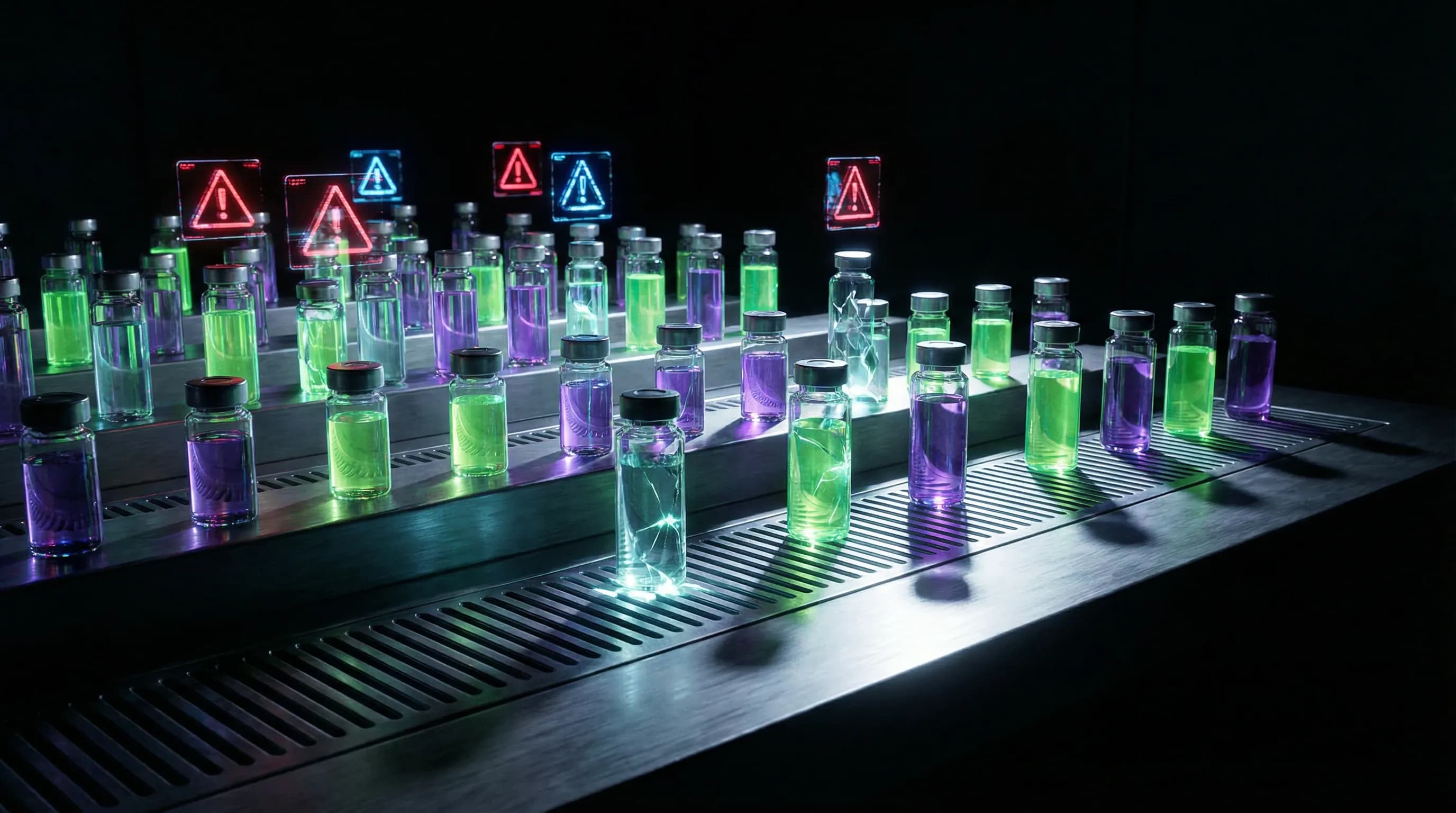
Counterfeit medications and supplements exploit regulatory loopholes: manufacturers register them as dietary supplements, bypassing clinical trials, and place them alongside genuine medications. During the COVID-19 pandemic, the FDA documented a sharp increase in fraudulent sales 🧬 — scammers exploited public fear by offering "miracle cures" without proven efficacy. Such products are not only useless but dangerous: they delay access to real treatment, allowing diseases to progress.
🛡️
Laplace Protocol: Always verify a product's registration as a pharmaceutical drug (not a supplement), consult licensed healthcare professionals, and demand evidence of clinical trials before purchasing.
Reference Protocol
Scientific Foundation
Evidence-based framework for critical analysis
Navigation Matrix
Subsections
[homeopathy]
Homeopathy
Scientific analysis of a treatment system using ultra-diluted preparations that has existed for over 200 years but lacks proven efficacy
Explore
[miracle-supplements]
Miracle Supplements and Dietary Additives
Critical analysis of dietary supplements with exaggerated promises: from autism to oncology, from "vascular cleansing" to anti-aging — examining scientific facts and protecting against financial exploitation.
Explore
Protocol: Evaluation
Test Yourself
Quizzes on this topic coming soon
Sector L1
Articles
Research materials, essays, and deep dives into critical thinking mechanisms.
💊 Miracle Supplements and Dietary Additives 💊 Miracle Supplements and Dietary Additives
 💊 Miracle Supplements and Dietary Additives
 💧 Homeopathy
 💊 Miracle Supplements and Dietary Additives
 💧 Homeopathy
⚡
Deep Dive
What's Behind the Packaging: Anatomy of Pseudo-Pharmaceuticals and Their Disguises
Pseudo-pharmaceuticals are an ecosystem of products that mimic real medications but lack proven therapeutic efficacy. This includes counterfeit versions of legitimate drugs, dietary supplements masquerading as medicines, and underground-manufactured products without quality control.
The key difference from real medications is the absence of rigorous pharmaceutical registration and clinical trials confirming safety and efficacy.
Counterfeit Medications: From Copies to Placebos
Counterfeit drugs are deliberate falsifications of pharmaceutical products: forgery of identity, composition, or source of origin. Such products may contain reduced doses of active ingredients, completely different components, or no therapeutic ingredients at all.
Externally, packaging and labeling may be indistinguishable from the original, making detection virtually impossible for ordinary consumers.
Counterfeit versions of life-saving drugs pose particular danger—antibiotics, anticancer agents, cardiovascular medications. Using such fakes is not merely ineffective—it can lead to disease progression, development of resistance to real drugs, and serious complications.
Supplements Playing Medicine: The Legal Gray Zone
Pharmaceutical companies systematically exploit regulatory loopholes, registering pseudo-pharmaceuticals as dietary supplements to bypass strict requirements for registering real medications. Supplements undergo significantly less rigorous approval procedures that don't require clinical efficacy trials.
| Criterion | Medication | Supplement |
|---|---|---|
| Clinical Trials | Mandatory | Not Required |
| Proof of Efficacy | Rigorous | Minimal |
| Pharmacy Placement | Separate | Next to Medications |
| Marketing Claims | Restricted | Vague |
This practice is especially common for products claiming to "support liver function," "boost immunity," or "improve memory"—categories with vague claims that are difficult to verify.
Consumers often don't understand the difference between a supplement and a medication, relying on pharmacist recommendations or advertising that deliberately blurs these boundaries. The result—wasting money on ineffective products and delaying seeking real medical care.
Underground Production: When Control Is Completely Absent
Underground-manufactured supplements and products represent the highest level of risk: produced without quality control, in unsanitary conditions, and using unverified ingredients. Such products are often sold through social media, messaging apps, or dubious online stores, promising "natural" or "revolutionary" solutions for serious diseases.
- Typical Signs of Underground Products
- Absence of labeling and manufacturer information
- Incomplete or illegible ingredient lists
- Sales only through unofficial channels
- Promises to cure incurable diseases
2020 research documented cases of liver damage from unregulated supplements. Unlike legal supplements, which at least undergo minimal safety checks, underground products may contain toxic substances, heavy metals, or banned pharmaceutical components in uncontrolled doses.

How Legislation Works Against Consumers: Regulatory Loopholes
The pharmaceutical market regulatory system contains structural flaws that pseudo-medication manufacturers systematically exploit. The difference in requirements between drug registration and dietary supplement registration creates a "gray zone" where commercial interests prevail over health protection.
Dietary Supplement Registration: The Path of Least Resistance
The dietary supplement registration procedure requires only safety confirmation, not efficacy. Companies bring products to market in just a few months, avoiding millions of dollars in costs for Phase I, II, and III clinical trials.
This economic advantage creates a powerful incentive to register potential drugs as dietary supplements, even when manufacturers position them for treating specific conditions.
Formally, dietary supplements cannot claim therapeutic properties, but marketing uses vague formulations: "supports function," "promotes normalization," "helps the body." Consumers interpret these as therapeutic promises, while regulatory agencies rarely pursue such violations.
The Pharmacy Shelf as a Legitimization Tool
Placing dietary supplements next to real medications is a deliberate mimicry strategy. In consumers' minds, pharmacies are associated with medical expertise, so a product's presence on their shelves is automatically perceived as a guarantee of efficacy.
- Pharmacists receiving commissions from dietary supplement sales recommend them alongside medications or as substitutes
- Dietary supplement packaging mimics pharmaceutical drug design—white blister packs, medical terminology, images of doctors
- This strategy is particularly effective for elderly people and those who don't distinguish between product categories
Evidence Base: Requirements That Don't Exist
Drugs require randomized controlled trials with thousands of participants. Dietary supplements can cite isolated in vitro studies or animal studies that have no relevance to human efficacy.
Manufacturers cite research on individual components, ignoring that the specific combination and dosage in their product has never been tested. The absence of requirements to publish negative results creates systematic bias: if ten studies showed no effect and one showed minimal improvement, only the latter appears in advertising.
Consumers lack access to the complete evidence picture, making informed choice practically impossible.
The Price of Deception: Documented Health and Life Risks
Pseudo-medicines represent more than just a financial threat — they create real, measurable risks to health and life. Scientific research and clinical observations document three main categories of harm: complete absence of therapeutic effect in serious diseases, direct toxic impact on organs, and critical delay of adequate treatment.
The Illusion of Treatment: When There's No Effect at All
Pseudo-medicines may contain reduced doses of active substances or completely inert components, making them therapeutically useless. A patient taking a counterfeit antibiotic for a bacterial infection is effectively left untreated, allowing the infection to progress, spread, and cause complications.
In cases of chronic diseases — diabetes, hypertension, heart failure — lack of control leads to irreversible damage to target organs. With oncological drugs, the situation is critical: delaying or replacing chemotherapy with ineffective "natural alternatives" means the difference between remission and metastasis.
Patients often realize the deception only when the disease reaches late stages, and opportunities for effective intervention have already been lost.
Direct Toxicity: When a Supplement Becomes Poison
Studies from 2020 documented cases of liver damage from unregulated supplements, demonstrating that pseudo-medicines can be not just useless, but actively harmful. The liver, as the primary detoxification organ, is particularly vulnerable to the effects of unknown or contaminated substances.
| Type of Contamination | Mechanism of Harm | Clinical Outcome |
|---|---|---|
| Heavy metals (lead, mercury, arsenic) | Accumulation in organs, disruption of enzymatic systems | Neurotoxicity, kidney failure |
| Microbial contaminants | Infectious inflammation | Sepsis, organ failure |
| Pesticide residues | Cholinesterase inhibition, neurotoxicity | Neurological disorders |
| Banned pharmaceutical substances in uncontrolled doses | Overdose, unpredictable interactions | Acute toxicity, fatal outcome |
Lack of standardization means that even different batches of the same "product" can differ radically in composition and toxicity. Hepatotoxicity can manifest from mild elevation of liver enzymes to fulminant liver failure requiring transplantation.
Lost Time: The Invisible Cost of Delay
Perhaps the most insidious aspect of pseudo-medicines is the delay of proper treatment while the patient relies on ineffective remedies. Many diseases have a "therapeutic window" — a period when intervention is most effective.
- Stroke
- Requires thrombolysis within the first hours. Every minute of delay means the loss of thousands of neurons.
- Myocardial infarction
- Needs reperfusion within 90 minutes. Delay increases the size of myocardial necrosis.
- Meningitis
- Requires immediate antibiotic therapy. Delay of hours leads to irreversible neurological complications.
Each hour of delay exponentially reduces the chances of complete recovery. During the COVID-19 pandemic, the CDC documented a significant increase in fraudulent sales of pseudo-medicines exploiting public fear.
People who relied on "miraculous" supplements with ginger, garlic, or unproven antiviral components delayed seeking medical help until severe respiratory failure developed, when treatment options were already limited.
Drug Fraud During COVID-19: How the Pandemic Became a Gold Mine for Counterfeiters
Rise of Counterfeits During the Pandemic
The FDA documented a sharp spike in fraudulent sales of pseudo-medications in 2020–2021. Counterfeiters exploited the information vacuum of the pandemic's early months, offering "antiviral" supplements with ginger, garlic, zinc, and vitamin D as "proven protection" against coronavirus.
Research on pandemic-era financial fraud (Medvedeva, 2022) classifies pseudo-medication sales as both a health threat and economic crime: victims lost money and delayed seeking actual medical care.
Online sales through social media and messaging apps allowed sellers to bypass any pharmaceutical oversight. Buyers received products with unpredictable composition—sometimes with toxic contaminants or no active ingredients at all.
Exploiting Public Fear
Fraudsters used classic manipulative techniques: artificial scarcity ("only 10 packages left"), references to "secret research" and "methods doctors won't tell you about," aggressive targeting of elderly people and those with chronic conditions.
During crisis periods, people are most vulnerable to claims about "miracle" remedies, since official medicine cannot offer instant solutions.
| Manipulative Mechanism | Target Audience | Psychological Hook |
|---|---|---|
| Appearance of scientific validity (medical terminology, fake studies, testimonials from non-existent doctors) | Educated consumers | Search for authority and logical justification |
| Conspiracy narratives (theories about hidden "natural cures" suppressed by pharmaceutical companies) | People distrustful of institutions | Sense of being privy to "the truth" |
| Moral opposition ("greedy doctors" vs. "caring healers") | Emotionally vulnerable groups | Identification with the "good side" |
FDA Data
Official statistics show a multifold increase in consumer complaints about fraudulent medication sales during the pandemic. The agency documented cases of counterfeit antiviral drugs, uncertified "vaccines," and supplements with false claims about COVID-19 prevention.
Products sold through illegal online platforms without traceable manufacturers or ingredient lists were of particular concern.
The FDA issued a series of warnings: purchase medications only from licensed pharmacies and consult with qualified medical professionals before starting any therapy.
However, the effectiveness of these warnings was limited by massive advertising of pseudo-medications on social media and insufficient digital literacy among the most vulnerable population groups.

How to Identify Pseudo-Medicines: A Consumer Checklist for Protecting Your Health and Wallet
Verification of Registration and Manufacturer
The first step is verification of registration status. Legitimate medications have FDA approval with a unique number that can be verified in official databases.
Dietary supplements are registered through a simplified procedure without clinical efficacy trials. Pseudo-medicine manufacturers deliberately obscure this distinction by placing products next to real medications on pharmacy shelves.
- Verify the manufacturer's legal address
- Request proof of GMP (Good Manufacturing Practice) manufacturing license
- Research the company's history and reputation
- Demand results of independent laboratory analysis of composition
- Assess transparency of manufacturer information
The claimed content of active ingredients in dietary supplements often does not match reality. Evasive responses to certification inquiries are a clear sign of fraud.
Red Flags of Fraud
Promises of "miraculous healing" without side effects contradict fundamental principles of pharmacology. Any substance with biological activity has potential adverse reactions.
Claims that a product "cures everything" — from diabetes to cancer — indicate quackery. Specificity of action is the foundation of modern medicine.
Aggressive marketing during healthcare crises, conspiratorial rhetoric ("doctors are hiding this," "pharma doesn't want you to know"), and creation of artificial scarcity are classic manipulative techniques.
Sales primarily through social media, messaging apps, or dubious online platforms instead of licensed pharmacies is a critical red flag.
Verification of Clinical Data
Legitimate medications are supported by randomized controlled trials (RCTs) published in peer-reviewed scientific journals with specified methodology, sample size, and statistical significance.
- Data Source
- Legitimate medication: PubMed, Cochrane Library, peer-reviewed journals. Pseudo-medicine: impossible to find or outdated debunked studies.
- Methodology
- Legitimate medication: RCTs with control group and blinding. Pseudo-medicine: anecdotal testimonials without medical documentation.
- Information Availability
- Legitimate medication: specific references to publications in open databases. Pseudo-medicine: references absent or lead to unreliable sources.
Testimonials from "cured patients" without medical documentation are not proof of efficacy — these are anecdotal accounts subject to cognitive biases and often completely fabricated.
Consultation with an independent qualified physician before starting any new treatment is a mandatory safety requirement.
Consumer Protection and Where to Report Counterfeit Products
Role of the FDA
The FDA is the primary federal agency protecting consumer rights in the pharmaceutical and supplement marketplace. The agency conducts inspections of pharmacies and online platforms, coordinates enforcement against illegal counterfeit trade, and monitors fraudulent schemes.
Consumers can contact FDA regional offices with complaints, providing samples, packaging, receipts, and advertising materials. The agency is required to conduct investigations and, when violations are identified, initiate administrative or criminal proceedings.
Reporting Suspicious Products
Documenting all aspects of a purchase — preserving packaging, receipts, screenshots of advertisements, and correspondence — is critically important for investigations and preventing fraud against other consumers.
Complaints are filed through the official FDA website, hotline, or in person at regional offices. Information about counterfeits is also forwarded to law enforcement agencies when signs of criminal fraud are present.
| Reporting Channel | When to Use | Effectiveness |
|---|---|---|
| Official FDA website | Standard product complaints | Documented, but slower |
| Hotline | Urgent cases, health risks | Rapid response |
| Regional office | In-person sample submission | Maximum evidentiary weight |
| Class action complaint | Multiple victims | Expedited investigation |
Laboratory Testing of Supplements
The claimed content of active ingredients in supplements often does not match actual composition. Laboratory analysis reveals the presence of hepatotoxic contaminants and other dangerous components not listed on labels.
- Contact an accredited laboratory for chemical analysis of the purchased product.
- Especially important when experiencing unexpected side effects or absence of claimed benefits.
- Obtain analysis results as legally significant evidence for lawsuits.
- Use data to hold manufacturers accountable.

Knowledge Access Protocol
FAQ
Frequently Asked Questions
Pseudo-medications are products falsely represented as having therapeutic effects, including counterfeit drugs and dietary supplements masquerading as medicines. They may have reduced or completely absent therapeutic efficacy, creating health risks. Companies often register them as dietary supplements to bypass strict pharmaceutical requirements.
Dietary supplements undergo less stringent registration procedures and don't require proof of therapeutic efficacy, unlike pharmaceutical drugs. Manufacturers exploit this loophole by placing supplements next to real medications on pharmacy shelves. This creates the illusion of a medical product without proper quality control.
Pseudo-medications may provide no therapeutic effect, leading to disease progression due to delayed adequate treatment. 2020 studies documented cases of liver damage from unregulated supplements. Financial losses and deteriorating health are typical consequences of using such products.
Yes, the FDA documented a significant rise in fraudulent drug sales during the pandemic. Scammers exploited public fear by offering counterfeit medications and "miracle cures" for coronavirus. This became not only a health threat but also a form of economic crime.
Check that the product is registered as a pharmaceutical drug (not a supplement) on the FDA website or through verification systems. Ensure the manufacturer is listed correctly and the packaging has all necessary credentials. Consult only with licensed physicians, not online sellers.
No, natural remedies are not substitutes for evidence-based medicine and are often fraudulently promoted as "treatments" for serious diseases. While ginger or garlic may have some health benefits, their effectiveness against COVID-19 or other illnesses is unproven. Delaying real treatment can lead to dangerous consequences.
Manufacturers register pseudo-medications as dietary supplements, which are permitted for sale in pharmacies without strict efficacy requirements. This creates a "mimicry" effect—products look like real medications on shelves. Pharmacies profit from selling such products, which exacerbates the problem.
Contact the FDA through their official website or hotline to report suspicious products. You can also file a complaint with state health departments if dealing with falsified pharmaceutical drugs. Preserve packaging, receipts, and photographs to document the violation.
Red flags include promises of "miraculous healing," absence of registration numbers, suspiciously low prices, and sales through dubious online platforms. Aggressive marketing, exclusively positive reviews, and lack of manufacturer information are concerning. Verify the presence of proper labeling and security holograms.
Immediately stop taking it and consult a physician for appropriate therapy, especially if your condition has worsened. Preserve the packaging and receipt for potential complaints to the FDA or refund requests. Report the case to the pharmacy and regulatory authorities to prevent sales to other customers.
This is a myth — it's actually the opposite. Licensed physicians follow evidence-based medicine protocols and are accountable for their prescriptions, whereas sellers of pseudo-medications are motivated exclusively by profit. Fraudsters exploit distrust in medicine by offering ineffective products without scientific justification.
No, this is a common misconception. Pharmacies sell both registered medications with proven efficacy and dietary supplements that don't undergo rigorous testing. Consumers must independently verify a product's status and consult with a physician, rather than relying solely on the fact that it's sold in a pharmacy.
Only licensed online pharmacies with verifiable credentials and FDA approvals can be trusted. Many fraudulent websites imitate legitimate pharmacies, selling counterfeit or unregistered drugs. Verify the pharmacy's license, physical address, and ability to contact a pharmacist before making a purchase.
Manufacturers of counterfeit medications may face criminal liability under fraud and health endangerment statutes. However, supplement manufacturers often avoid prosecution by exploiting loopholes in legislation. Strengthening oversight and tightening registration requirements remain pressing tasks for regulators.
Pseudo-medications create additional burden on the healthcare system due to complications from improper treatment and disease progression. Research classifies the sale of such products as a form of economic crime with financial losses for consumers. This also undermines trust in the legitimate pharmaceutical industry.
Yes, the WHO and Interpol coordinate international efforts to combat falsified medical products through specialized programs. In the United States, the Drug Supply Chain Security Act and interagency cooperation among regulatory bodies are in effect. However, the global nature of online commerce requires continuous improvement of control mechanisms and international information sharing.