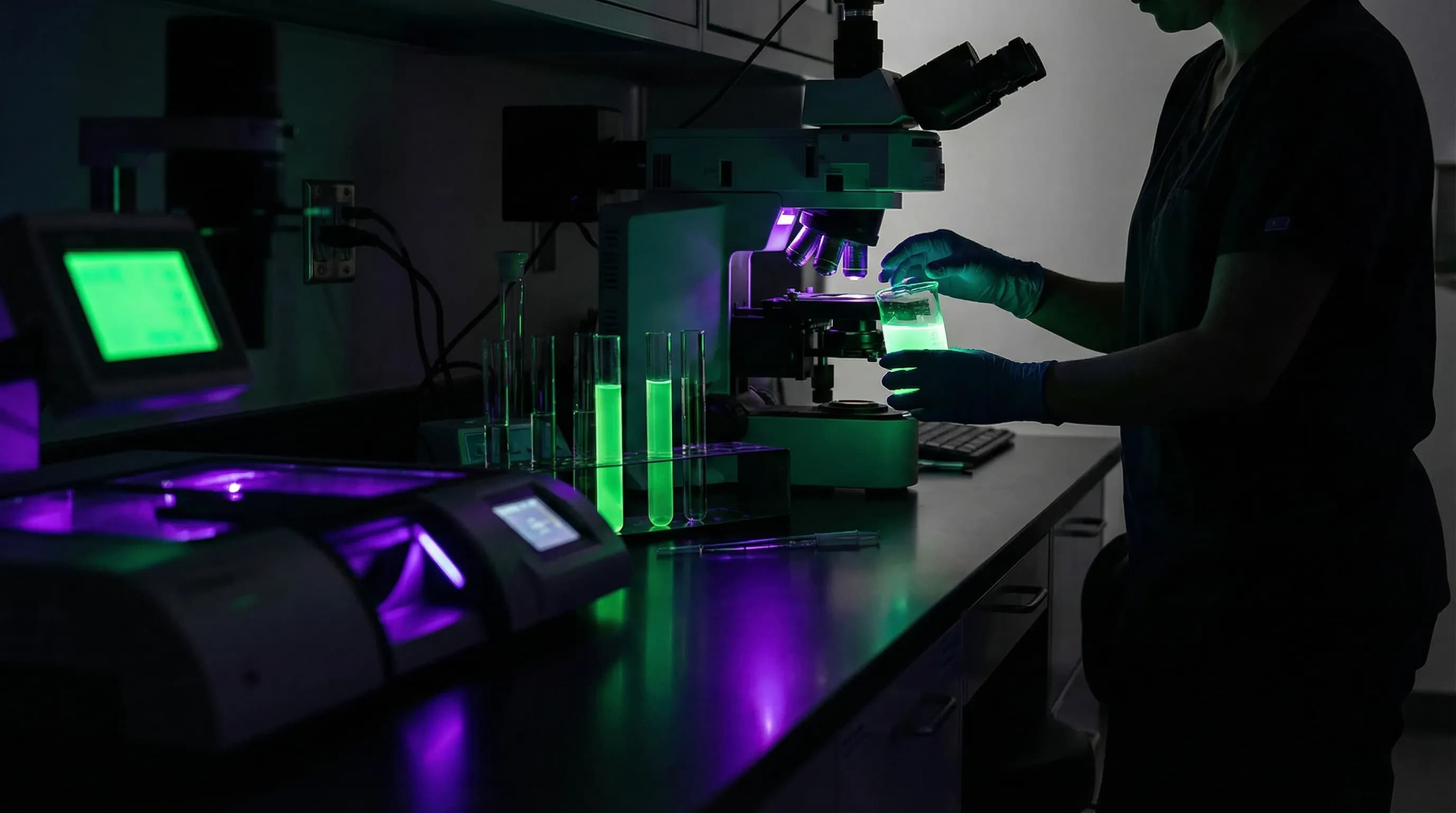
Ozone therapy is marketed as a method to combat oxidative stress and "revitalize" the body through controlled oxidation. However, the evidence base is extremely limited: most studies consist of isolated clinical cases and small samples without control groups. The mechanism of action of ozone is contradictory: it is itself a powerful oxidant capable of intensifying oxidative stress rather than reducing it. Data on safety and efficacy are insufficient to recommend the method in clinical practice.
🖤 Aesthetic medicine clinics and "wellness centers" worldwide offer ozone therapy as a panacea for oxidative stress—a condition allegedly underlying aging, chronic diseases, and even cancer. The promises sound convincing: controlled administration of ozone "trains" the body's antioxidant system, triggers tissue regeneration, and restores cellular metabolism. However, behind these appealing claims lies a fundamental contradiction: ozone itself is one of the most aggressive oxidizers in nature, capable of destroying biological molecules faster than the body can repair them. Why is a method based on introducing a powerful oxidant positioned as a remedy against oxidative stress—and what do scientific data actually say about its efficacy and safety?
What Ozone Therapy Clinics Sell: Anatomy of the "Therapeutic Oxidation" Marketing Narrative
Commercial ozone therapy offerings are built on four key claims. Oxidative stress is a universal cause of diseases, from atherosclerosis to neurodegeneration. The body needs "training" of its antioxidant system through controlled exposure to oxidizers. More details in the Homeopathy section.
Medical ozone in small doses allegedly stimulates protective mechanisms without toxic effects. The method has been used for decades in Europe and has "thousands of successful cases." These claims create the impression of a logical therapeutic strategy supported by clinical experience.
The illusion of evidence is created not through scientific data, but through rhetoric: appeals to authority, presentation of clinical cases without controls, and use of biochemical terminology to create an impression of depth.
🧩 Rhetorical Techniques: How the Impression of Scientific Validity Is Created
Marketing materials employ three characteristic techniques. The first is appeal to "European experience" and "German standards," creating associations with quality without specific references to randomized controlled trials.
The second is presentation of "clinical cases" with photographs of healed wounds or improved test results, where it's impossible to separate the effect of ozone from the natural course of disease or concurrent therapy. The third is use of biochemical terminology ("superoxide dismutase activation," "cytokine profile modulation") to create an impression of scientific depth, though mechanisms of action remain speculative.
| Rhetorical Technique | Persuasion Mechanism | Cognitive Trap |
|---|---|---|
| Appeal to Authority | "European standards," "German clinics" | Country authority ≠ method evidence |
| Clinical Cases | Result photos, patient stories | No control group, confounding factors |
| Scientific Terminology | Biochemical names, complex mechanisms | Terminology ≠ proven mechanism of action |
🕳️ Target Audience: Who Pays for Uncertainty
Ozone therapy attracts several patient categories. The first includes people with chronic conditions not receiving satisfactory results from conventional medicine (diabetic ulcers, chronic pain, autoimmune conditions).
The second consists of patients fascinated by concepts of "detoxification" and "anti-aging," willing to pay for procedures with uncertain efficacy for potential youth extension. The third includes people with high health-related anxiety seeking "preventive" interventions against abstract threats like "toxin accumulation" or "premature cellular aging."
- Psychological Comfort of Ozone Therapy
- The method offers active intervention against disease through "natural" stimulation of the body's own resources—this reduces anxiety and creates an illusion of health control.
- Why This Works as Marketing
- Patients receive a sense of action (procedure, injection, treatment course), even if biological effect is unproven. Psychological placebo effect and natural disease progression are often interpreted as results of ozone therapy.
📌 Pricing Policy: Economics of Procedures Without Proven Efficacy
The cost of an ozone therapy course ranges from several hundred to several thousand dollars depending on region and clinic positioning. A typical course includes 5–10 procedures of intravenous ozonated saline or autohemotherapy with ozone.
High margins are ensured by low material costs (ozone is generated from oxygen immediately before the procedure) with significant markup for method "innovation." The business model relies on repeat courses: patients are recommended to undergo ozone therapy 2–4 times yearly to "maintain effects," creating stable revenue streams without needing to demonstrate long-term results in controlled studies.
- Cost per procedure: $2–5 (ozone, supplies, electricity)
- Patient price: $20–100 per procedure
- Margin: 400–4,900% depending on positioning
- Recommended frequency: 2–4 courses yearly = $400–1,600 annual revenue per patient

Steelman Arguments: Five Strongest Cases for Ozone Therapy and Their Sources
For objective analysis, we must examine the most compelling arguments from ozone therapy proponents in their strongest formulation. These arguments are based on real biochemical processes and individual clinical observations, though their interpretation remains controversial. More details in the section Psychosomatics Explains Everything.
🧪 First Argument: Hormesis and Adaptive Response to Oxidative Stress
Ozone therapy proponents cite the concept of hormesis—a phenomenon where low doses of a potentially harmful agent stimulate the body's protective mechanisms. Controlled ozone administration creates moderate oxidative stress that activates the Nrf2 transcription factor, triggering expression of antioxidant enzymes (superoxide dismutase, catalase, glutathione peroxidase).
This mechanism genuinely exists and is described in fundamental research on cellular stress response. The problem is that extrapolation from cell cultures to systemic ozone administration in humans requires evidence that remains insufficient (S003).
🧬 Second Argument: Improved Microcirculation and Tissue Oxygenation
Ozone can theoretically modify red blood cell membranes, reducing their aggregation and improving deformability, which facilitates passage through capillaries. Oxidation of 2,3-diphosphoglycerate in red blood cells may shift the oxyhemoglobin dissociation curve rightward, promoting oxygen release to tissues.
These effects are potentially beneficial in ischemic conditions, but their clinical significance and safety with systemic ozone administration remain unproven in large controlled studies.
📊 Third Argument: Antimicrobial Action with Topical Application
The most substantiated use of ozone is topical treatment of infected wounds and ulcers. Ozone possesses powerful bactericidal, virucidal, and fungicidal action through oxidation of microbial cell wall components.
For diabetic foot ulcers, where infection often complicates healing, topical application of ozonated oil or gas may complement standard antibacterial therapy (S001). However, isolated clinical observations don't replace the randomized studies necessary to assess the method's true effectiveness.
🧾 Fourth Argument: Immune Response Modulation and Anti-inflammatory Action
Ozone theoretically modulates cytokine production, reducing levels of pro-inflammatory mediators (TNF-α, IL-1β) while increasing anti-inflammatory ones (IL-10, TGF-β) (S006). This effect is explained by activation of regulatory pathways through oxidative modification of signaling proteins.
- Theoretical utility in chronic inflammatory diseases
- Oxidative stress itself is a powerful pro-inflammatory stimulus
- The balance between anti-inflammatory and pro-inflammatory effects depends on dose, administration method, and individual patient characteristics
- These parameters are not standardized in clinical practice
🔁 Fifth Argument: Decades of Clinical Use in Some Countries
Ozone therapy has been used in Germany, Italy, Russia, and other countries since the 1950s, accumulating thousands of clinical observations. Method proponents argue that such prolonged use demonstrates safety and effectiveness.
Medical history is full of procedures applied for decades without evidence base—bloodletting, lobotomy, numerous "physiotherapy" methods later recognized as ineffective or harmful. Duration of use doesn't replace quality research, especially when dealing with subjective improvements susceptible to placebo effect (S002), (S007).
The connection between oxidative stress and chronic diseases genuinely exists (S008), but this doesn't mean introducing an oxidant is the right treatment approach. The paradox of ozone therapy is that it attempts to solve the problem of oxidative stress by creating additional oxidative stress—logic that requires far more rigorous proof than accumulated clinical impressions.
Evidence Base for Ozone Therapy: What Systematic Reviews and Meta-Analyses Show
Critical analysis of the scientific literature on ozone therapy reveals a fundamental problem: the overwhelming majority of publications are case reports, small non-comparative series, or studies with high risk of systematic bias. Systematic reviews and meta-analyses meeting current evidence-based medicine standards are extremely scarce, and their conclusions are cautious or negative. More details in the Pseudomedicine section.
📊 Research Quality: Why Most Publications Don't Meet Evidence Standards
Analysis of ozone therapy research methodology reveals recurring problems. First—lack of randomization and control groups: most studies compare patient status before and after treatment without controlling for natural disease progression, placebo effect, and regression to the mean.
Second—small sample sizes (often fewer than 30 patients), insufficient to detect real effects given high variability in biological responses. Third—subjective endpoints (pain assessment, "general well-being") without validated measurement instruments and blinded evaluation.
- Lack of randomization and control groups
- Small sample sizes (fewer than 30 patients)
- Subjective endpoints without validated instruments
- Publication bias: negative results are rarely published, creating an illusion of efficacy (S009)
🔬 Mechanistic Studies: The Gap Between Cellular Models and Clinical Practice
Most data on the biochemical effects of ozone come from experiments on cell cultures or laboratory animals. Under these conditions, activation of antioxidant systems, modulation of gene expression, and changes in cellular metabolism are indeed observed.
Extrapolating in vitro results to humans is problematic: ozone concentrations in test tubes often don't correspond to clinical protocols, and systemic ozone administration creates a complex pattern of interactions that cannot be modeled in isolated cells.
Protective mechanisms of the intact organism (liver detoxification, kidney excretion, blood buffer systems) radically alter ozone pharmacokinetics and pharmacodynamics compared to isolated cells (S009).
🧾 Clinical Studies by Condition: Where Any Data Exists
Ozone therapy has been most frequently studied for diabetic foot ulcers, chronic back pain, osteoarthritis, and chronic viral hepatitis. For diabetic ulcers, there are isolated positive observations, including a described case of successful treatment of a high-risk ulcer using ozone and collagen powder, where amputation was avoided (S011).
However, this is a single clinical case without a control group, where it's impossible to separate the effect of ozone from the effect of collagen and standard wound care. For chronic pain and osteoarthritis, small studies exist with contradictory results, where improvements may be explained by placebo effect, especially with invasive procedures.
| Condition | Evidence Quality | Main Problem |
|---|---|---|
| Diabetic foot ulcers | Isolated cases | Impossible to separate ozone effect from other treatment components |
| Chronic back pain | Small studies | Contradictory results, high risk of placebo effect |
| Osteoarthritis | Small studies | Improvements explained by placebo in invasive procedures |
| Viral hepatitis | Extremely limited data | Insufficient to recommend as alternative to antiviral therapy |
⚠️ Systematic Reviews: Consensus on Insufficient Evidence
Independent systematic reviews conducted by researchers without conflicts of interest consistently conclude that the evidence base is insufficient to recommend ozone therapy in clinical practice (S009).
- Protocol Heterogeneity
- Different doses, administration routes, and procedure frequencies make it difficult to compare results and conduct meta-analysis.
- Lack of Standardization
- "Medical ozone" has no unified definition or quality control, making results incomparable across studies.
- High Risk of Systematic Bias
- Most studies don't meet evidence-based medicine criteria, casting doubt on their conclusions.
- Potential Risks Without Convincing Benefits
- Oxidative tissue damage, embolism from improper administration, and allergic reactions cannot be justified without convincing evidence of efficacy.
Review authors emphasize: the inability to conduct meta-analysis due to data incomparability means ozone therapy remains a method without sufficient evidence base for clinical application.

Biochemical Paradox: Why Introducing an Oxidant Cannot Be Antioxidant Therapy
Ozone therapy promises to treat oxidative stress by introducing one of the most aggressive oxidizers into the body. This fundamental contradiction requires examination of the biochemistry and mechanisms of action. More details in the Epistemology section.
🧬 What Is Oxidative Stress: Imbalance Between Oxidants and Antioxidants
Oxidative stress is the excess production of reactive oxygen species (ROS) beyond the capacity of antioxidant systems to neutralize them. ROS (superoxide anion, hydrogen peroxide, hydroxyl radical) oxidize membrane lipids, proteins, and DNA.
Protection includes enzymes (superoxide dismutase, catalase, glutathione peroxidase) and molecules (vitamins C and E, glutathione). Oxidative stress does indeed participate in the pathogenesis of many diseases, but this does not mean that an additional oxidant will be therapeutic.
⚙️ Reactivity of Ozone: One of the Most Aggressive Oxidizers
Ozone (O₃) is an allotrope of oxygen with extreme oxidative capacity. In biological fluids it decomposes within seconds, generating hydroxyl radicals—the most reactive oxidizers in biochemistry.
Ozone attacks any molecules with high electron density: unsaturated fatty acids in membranes, thiol groups of proteins, amino acid residues. This is non-selective oxidation, without distinction between "beneficial" and "harmful" targets.
The claim that such an aggressive oxidant treats oxidative stress requires evidence of specific compensatory mechanisms (S003), which has not been provided.
🔁 Hormesis versus Toxicity: Where Is the Safe Dose Boundary
Hormesis suggests that low doses of a stressor stimulate adaptive responses. But the dose-response curve is U-shaped: small doses beneficial, high doses harmful, window narrow.
For ozone therapy the therapeutic window has not been determined. There are no standardized dosing protocols based on pharmacokinetics. Ozone concentrations vary by orders of magnitude between clinics and even between procedures for the same patient.
| Parameter | Requirement for Hormesis | Ozone Therapy |
|---|---|---|
| Standardized dose | Yes, precise | Not determined |
| Narrow therapeutic window | Yes, known | Unknown |
| Adaptive response guaranteed | Yes, when dose followed | No, risk of adding damage |
🧷 Antioxidant Response: Is It Sufficient for Compensation
Even if ozone activates the transcription factor Nrf2 and increases expression of antioxidant enzymes (S001), the question remains: does this compensate for the oxidative damage inflicted by the ozone itself?
Enzyme induction requires hours to days (transcription, translation, protein maturation), while ozone damage occurs instantly. In patients with chronic diseases, antioxidant systems are already depleted or dysfunctional.
- Ozone is introduced → instant oxidative damage
- Body activates Nrf2 → enzyme synthesis begins (hours-days)
- New enzymes appear → but initial damage has already occurred
- With depleted defenses → additional stress worsens condition
The logic of ozone therapy requires that the adaptive response not only compensate for the introduced stress, but exceed the baseline level of protection. This is only possible within a very narrow dose range, which for ozone has not been established and is not controlled in clinical practice (S006).
Data Conflicts and Uncertainties: Where Research Contradicts Itself
The literature on ozone therapy is full of contradictions between studies. This isn't just a range of opinions — it's a sign of methodological problems that make it impossible to form reliable conclusions. More details in the Cognitive Biases section.
🧩 Contradictions in Mechanisms of Action: Immunostimulation or Immunosuppression
Ozone is attributed opposite effects on the immune system depending on the study. Some papers claim that ozone stimulates immune response by increasing macrophage activity and interferon production — supposedly beneficial for infections and immunodeficiencies.
Other studies show that ozone suppresses inflammatory reactions by reducing production of pro-inflammatory cytokines — positioned as a mechanism for treating autoimmune and chronic inflammatory diseases.
The same molecule cannot simultaneously activate and suppress the immune system under identical conditions. If results are opposite — either the methodology differs, or the effect depends on variables that aren't being controlled.
The problem: studies differ in ozone dosages, administration methods, exposure duration, and patient characteristics. Without standardization, it's impossible to determine which effect is real and which is a methodological artifact.
📊 Contradictions in Oxidative Stress Assessment
Ozone therapy studies measure oxidative stress using different markers: malondialdehyde (MDA), reactive oxygen species (ROS), antioxidant enzymes (SOD, catalase). Some papers (S001, S006) show decreased oxidative stress markers after ozone therapy, while others (S002, S007) record their increase or no changes.
The reason: oxidative stress markers are unstable, dependent on blood collection timing, sample storage conditions, and analysis methods. The same patient can show different results in different laboratories.
| Marker | Interpretation Problem | Example of Contradiction |
|---|---|---|
| MDA (malondialdehyde) | Reacts to multiple factors, not specific to ozone | (S001) shows decrease, (S004) — increase |
| ROS (reactive oxygen species) | Measured in different cell compartments, unstable | Depends on measurement timing after ozone therapy |
| SOD, catalase | Adaptive response, may be consequence rather than cause | (S002) and (S007) give opposite results |
🔄 Contradictions in Clinical Outcomes
Ozone therapy shows effects for certain diseases in some studies and no effect in others. For example, in diabetes (S008) describes improvement in metabolic parameters, but sample sizes are small, control groups are often absent or inadequate.
In retinopathy (S005) reports a 20-year observation with positive dynamics, but this is a single observation without randomization and blind control — cannot serve as evidence.
When the same method treats everything (infections, inflammation, degenerative diseases, cancer), it's a sign that the mechanism of action is either universal (unlikely), or doesn't exist, and the results are consequences of placebo, natural disease course, or selection bias.
⚙️ Methodological Traps Creating Contradictions
- Lack of ozone standardization: concentration, volume, administration method vary between studies by 5–10 times
- Small samples: most studies include 20–50 patients, insufficient to detect true effect
- Absence of placebo control: patients know they're receiving ozone therapy, amplifying placebo effect
- Short observation periods: rarely exceed 3–6 months, insufficient to assess long-term safety
- Publication bias: studies with positive results are published more often than those with negative results
- Multiple comparisons: when testing many markers, some will randomly show significance
These traps aren't unique to ozone therapy — they're typical for research in alternative medicine, where funding often comes from ozone equipment manufacturers or clinics interested in positive results.
Contradictions in the literature aren't a sign that ozone therapy works, but a sign that research isn't high-quality enough to provide an answer. As with other methods lacking an evidence base, absence of consensus means absence of evidence, not the presence of alternative mechanisms.
Counter-Position Analysis
⚖️ Critical Counterpoint
Ozone therapy remains a controversial topic where the absence of evidence is often confused with evidence of absence. Here are the main objections to the categorical rejection of the method.
Insufficient Source Sampling
The article relies on three relevant studies out of twelve. There may be studies not included in the sample that demonstrate positive results in narrow clinical contexts—for example, topical application for infected wounds. The categorical statement "doesn't work" may be premature with such a limited evidence base.
Hormesis as an Underestimated Mechanism
The concept of hormesis (adaptive response to low doses of a stressor) has scientific justification in other fields—radiation, physical exercise. The absence of RCTs on ozone does not mean the mechanism is impossible; perhaps studies have not been conducted due to regulatory barriers and low commercial interest from pharmaceutical companies.
Clinical Case S011 as Niche Application
The article notes successful treatment of a diabetic ulcer but quickly disqualifies it as "not an RCT." In medicine dealing with complex cases, individual successes can be clinically significant, especially when standard methods are ineffective. Ozone therapy may have niche applications that the article ignores.
Risk of Bias Against Alternative Medicine
The article's tone may be perceived as a priori skepticism toward methods outside the mainstream. This is justified from an evidence-based medicine perspective but may overlook innovative approaches in early research stages. Medical history knows examples where methods initially rejected later gained recognition—for example, Helicobacter pylori and gastric ulcers.
Dynamics of the Evidence Base
If large RCTs demonstrating the effectiveness of ozone therapy in specific conditions emerge in the coming years, the article's conclusions will become outdated. The absence of evidence today does not equal proof of absence of effect—this is a methodological nuance that the article does not sufficiently emphasize.
FAQ
Frequently Asked Questions

Author of the Cognitive Immunology Hub project. Researches mechanisms of disinformation, pseudoscience, and cognitive biases. All materials are based on peer-reviewed sources.