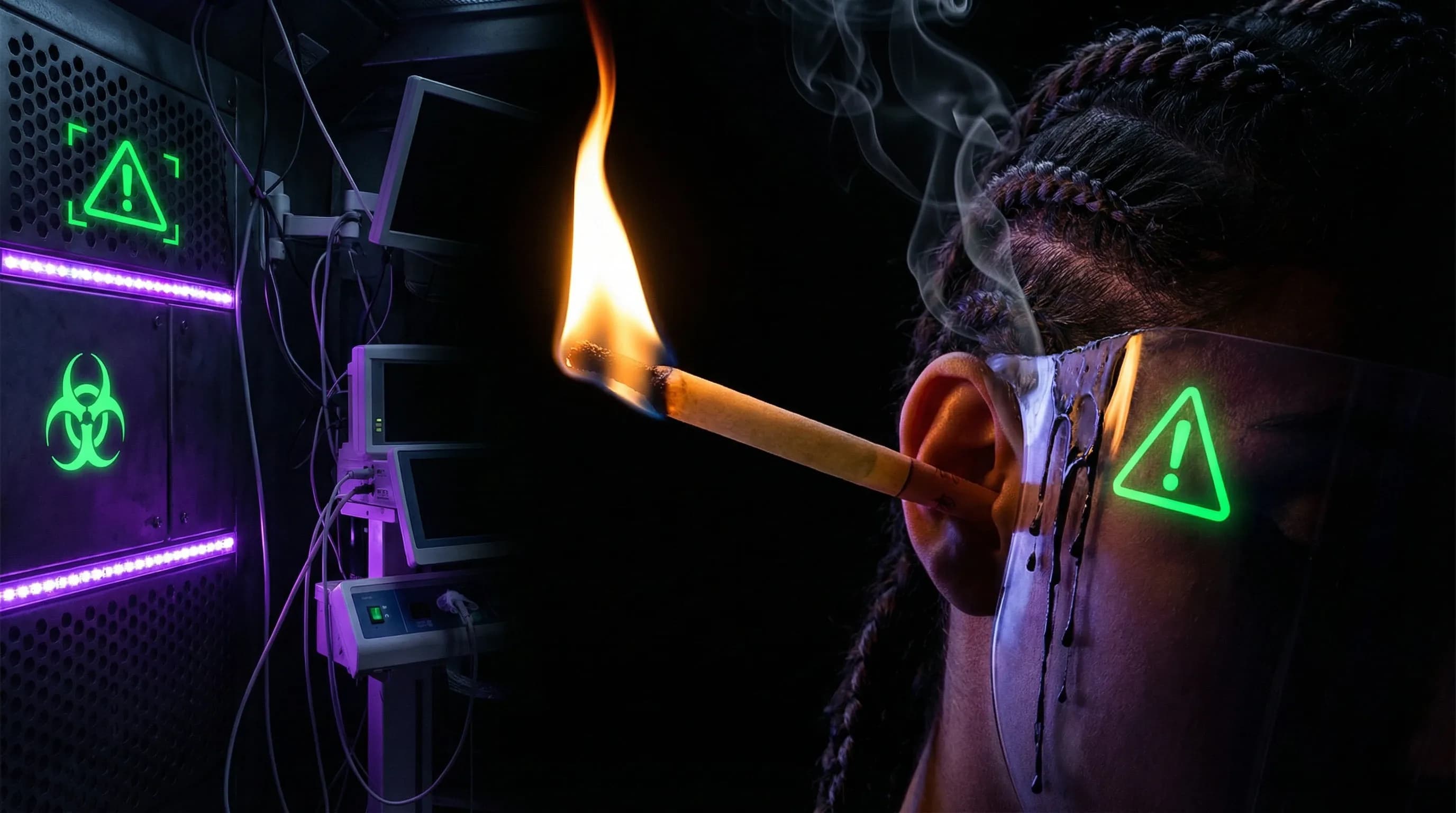
What is ear candling and why is this procedure still sold as "ancient wisdom" in spas
Ear candling (ear coning, thermal auricular therapy) — a hollow candle 20–30 cm long, one end inserted into the ear canal, the other lit. Proponents claim that burning creates a vacuum that draws out wax, fungi, bacteria, and "toxins" from the ear and sinuses. More details in the section Miracle Supplements and Dietary Additives.
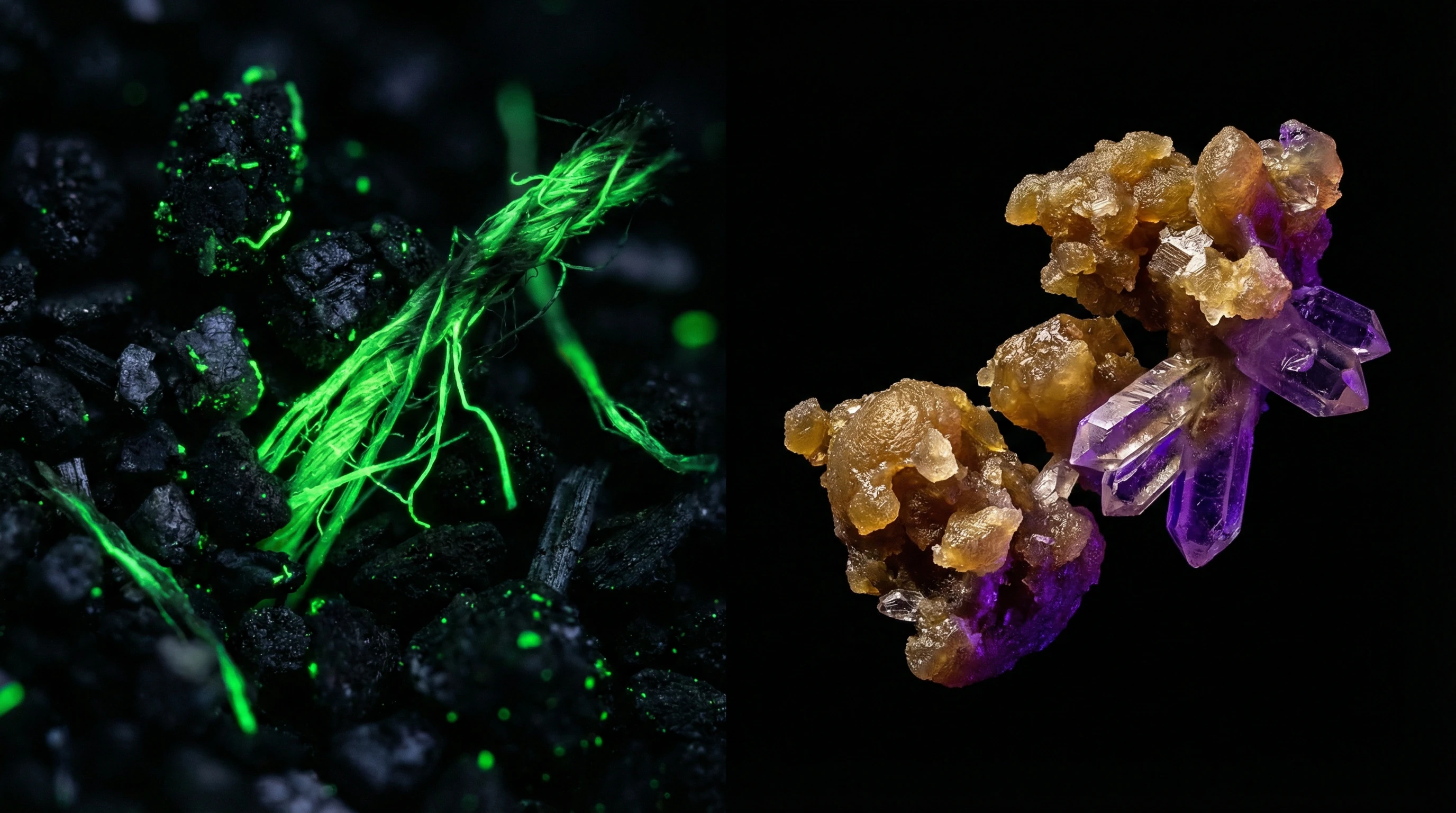
After the procedure, a dark powdery residue is found inside the candle, presented as proof of removed impurities. This is the key point: this visible result creates the illusion of effectiveness.
⚠️ Marketing promises: from wax to karma
Manufacturers promise improved hearing, treatment of sinusitis, migraines, dizziness, tinnitus, stress relief, cleansing of "energy channels," and correction of chakra imbalances.
Some brands position the procedure as a traditional practice of Native American peoples, Egyptian priests, or Tibetan monks, although historical evidence of such practices is extremely scarce and contradictory.
🧱 Anatomical boundaries: what's in the risk zone
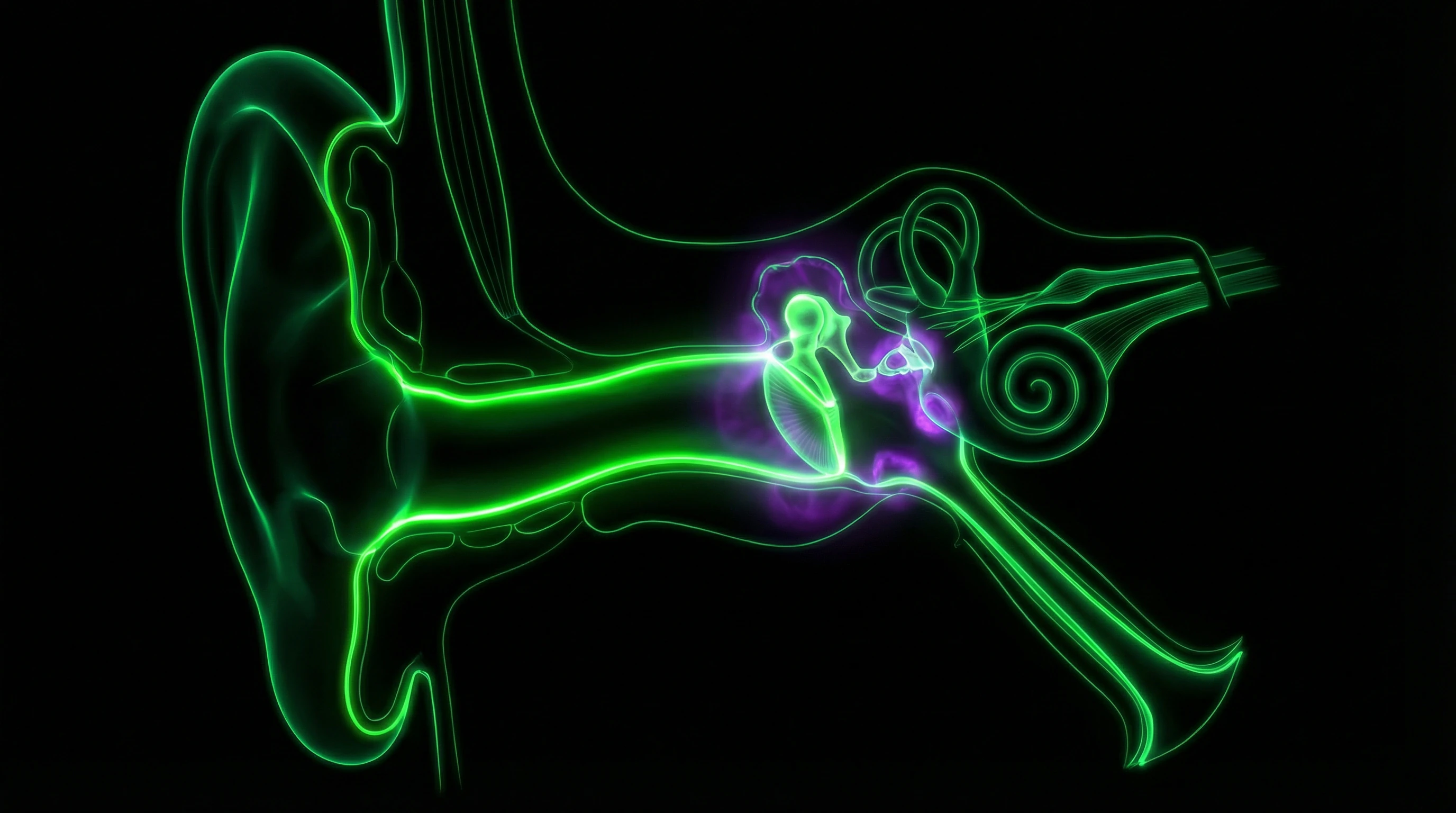
The ear consists of three sections: outer (auricle and ear canal), middle (eardrum and ossicles), and inner (cochlea and vestibular apparatus).
- Earwax (cerumen)
- Produced by glands in the outer ear canal, moisturizes skin, traps dust and microorganisms, has antibacterial properties. Normally migrates outward on its own through jaw movements during chewing and talking.
- Eardrum
- Thin membrane ~0.1 mm thick, separating the outer ear from the middle ear. Extremely sensitive to mechanical damage, pressure changes, and thermal effects.
🔎 Legal status: from beauty salons to regulatory bans
In most countries, ear candling is not recognized as a medical procedure. The FDA has repeatedly warned about risks and banned the import of ear candles with medical claims. Health Canada has issued similar warnings.
In Australia, the government in 2014 removed ear candling from the list of procedures covered by the 30 percent rebate under private health insurance (S009). The Chief Medical Officer conducted an evidence review and found no confirmation of effectiveness. The exclusion list also included reiki, homeopathy, and aromatherapy.
Steel Man: Seven Most Convincing Arguments from Ear Candling Proponents — and Why They Sound Logical
To understand the persistence of the ear candling myth, we must honestly examine its defenders' arguments in their strongest formulation. This doesn't mean agreeing with them, but allows us to identify the cognitive mechanisms that make the practice appealing. More details in the Homeopathy section.
⚠️ Argument One: "Thousands of Years of Tradition Can't Be Wrong"
Proponents claim that ear candling was practiced by ancient civilizations — from Egyptians to Hopi Indians — and passed down through generations. The logic is simple: if the method survived for centuries, it must have worked, otherwise it would have been abandoned.
This argument appeals to ancestral wisdom and distrust of "cold" modern medicine, which supposedly ignores accumulated experience.
⚠️ Argument Two: "I See the Results with My Own Eyes — Here's the Dark Residue from My Ear"
After the procedure, the practitioner cuts open the used candle and shows the client dark powder and waxy flakes inside. The client sees material "proof" of removed impurities.
The visual persuasiveness of this "artifact" is extremely high: the person receives tangible confirmation that "something was extracted," which reinforces belief in effectiveness.
⚠️ Argument Three: "I Feel Better — So It Works"
Many clients report subjective improvement: a feeling of lightness in the head, improved hearing, reduced congestion. Personal experience is the most powerful persuasive factor.
If someone feels better after a procedure, it's difficult for them to believe the effect isn't connected to the procedure itself, especially if they paid money and spent time on it.
⚠️ Argument Four: "Modern Medicine Doesn't Know Everything and Often Makes Mistakes"
Medical history is full of examples where accepted practices were later recognized as harmful (lobotomy, thalidomide, excessive antibiotic use). Alternative method proponents point to this, arguing that lack of evidence today doesn't mean lack of effect.
| Historical Medical Error | Why This Reinforces Distrust |
|---|---|
| Lobotomy as treatment for mental disorders | Was officially recognized, then banned |
| Thalidomide for pregnant women | Caused birth defects not detected in early stages |
| Excessive antibiotic prescribing | Led to microbial resistance |
⚠️ Argument Five: "It's a Natural Method Without Chemicals and Side Effects"
In an era of chemophobia and distrust of the pharmaceutical industry, "naturalness" becomes a powerful marketing advantage. Ear candles are made from fabric, beeswax, essential oils — all "natural."
Proponents contrast this with "aggressive" medical interventions: ear irrigation under pressure, chemical earwax solvents, surgical manipulations.
⚠️ Argument Six: "Doctors Deny This Because They're Losing Profit"
The conspiratorial version: the medical community and pharmaceutical companies are invested in expensive procedures and medications, so they actively discredit cheap alternative methods.
- Ear candling costs $20–50 per session
- A visit to an ENT specialist and professional earwax removal can cost more, which supposedly motivates doctors to deny the effectiveness of candles.
- The narrative of distrust toward "Big Pharma"
- Exploits real conflicts of interest in the medical industry, but transfers them to an area where they're less evident.
⚠️ Argument Seven: "Millions of People Can't Be Wrong — It's a Popular Procedure Worldwide"
Ear candling is offered in thousands of spas, alternative medicine centers, and holistic clinics around the world. Proponents point to the practice's widespread use as proof of its legitimacy.
If the method were dangerous or useless, it would have been banned everywhere long ago, not just had insurance coverage restricted in certain countries.
Each of these arguments relies on real psychological mechanisms: appeal to the authority of time, visual proof, personal experience, skepticism toward institutions, preference for natural, distrust of the system, and social proof. That's precisely why they sound logical — and precisely why refuting them requires not just facts, but understanding why these facts are so difficult to accept.
Evidence-Based Anatomy of the Illusion: What Controlled Studies Show and Why the "Dark Residue" Isn't Earwax
Scientific testing of ear candling claims began in the late 1990s, when the method started gaining popularity in Western countries. The results were unanimous and devastating for proponents of the practice. For more details, see the section Psychosomatics Explains Everything.
🧪 Controlled Experiment: Candles Burn the Same With or Without an Ear
A key study published in the journal Laryngoscope in 1996 tested the core claim of ear candling: creating a vacuum and removing earwax. Researchers performed the procedure on a group of volunteers and also burned identical candles over a glass flask (without an ear).
Results showed that the dark residue inside the candle forms in both cases and consists of combustion products from the candle itself—soot, wax, and fabric fibers, not earwax (S012). Otoscopic examination of participants' ears before and after the procedure revealed no reduction in the amount of wax in the ear canals.
📊 Pressure Measurement: No Vacuum Is Created
The physical premise of ear candling—creating negative pressure (vacuum) through combustion—was tested using manometers. Measurements showed that a burning candle does not create sufficient negative pressure to overcome the surface tension of earwax and "extract" it (S012).
In some cases, slight positive pressure was recorded, which theoretically could push wax residue deeper into the ear canal. For reference: professional earwax removal by irrigation uses water jet pressure of approximately 30–50 mmHg, which exceeds any pressure fluctuations from a burning candle by orders of magnitude.
- Burning candle: pressure ≈ 0–5 mmHg (often positive)
- Professional irrigation: pressure ≈ 30–50 mmHg
- Difference: 6–10 times insufficient for wax removal
🧾 Systematic Review of Adverse Effects: From Burns to Deafness
Medical literature contains numerous documented cases of ear candling complications. A review published in the journal Otolaryngology–Head and Neck Surgery lists the following types of injuries (S012):
- Burns to the outer ear and face from dripping molten wax
- Burns to the eardrum
- Occlusion (blockage) of the ear canal with candle wax
- Perforation of the eardrum
- Temporary or permanent hearing loss
- Indoor fires
One described case involved a woman whose ear canal was completely blocked by candle wax, requiring surgical intervention under general anesthesia.
🔬 Chemical Analysis of "Extracted Toxins": Only Combustion Products
Ear candling proponents claim the procedure removes not only wax but also "toxins," "heavy metals," and "candida" (fungal infection). Chemical analysis of residue inside used candles revealed no biological materials characteristic of earwax (cholesterol, squalene, cerumen-specific lipids), nor traces of heavy metals or fungal spores (S012).
The residue composition fully matched incomplete combustion products of paraffin, beeswax, and cotton fabric. No "toxins" or biological contaminants were found.
📌 Position of Professional Medical Organizations
The American Academy of Otolaryngology–Head and Neck Surgery (AAO-HNS) officially does not recommend ear candling and warns of the risks. The Canadian Society of Otolaryngology issued a similar statement.
The Australian government excluded the procedure from insurance coverage after an evidence review conducted by the Chief Medical Officer (S009). The review noted that "available evidence indicates these therapies are ineffective," including ear candling, reiki, homeopathy, and aromatherapy.
Alongside ear candling, insurers are reassessing other methods without an evidence base—from Ayurveda with its heavy metal risks to cervical chiropractic with stroke risk.
Mechanisms of Self-Deception: Why People Feel Better After a Procedure That Physically Does Nothing
If ear candling doesn't remove wax and creates no vacuum, why do many clients report positive effects? The answer lies in psychophysiology and cognitive biases. Learn more in the Sources and Evidence section.
🧬 The Placebo Effect: Expectation Creates the Reality of Sensation
The placebo effect is a measurable improvement in condition caused by the expectation of benefit from an intervention, not the intervention itself. In the context of ear candling, the client arrives believing the procedure will help, pays money, spends 30–45 minutes in a relaxed environment, and receives attention from the practitioner.
All of this activates the brain's endogenous opioid systems, reduces cortisol levels (the stress hormone), and can lead to subjective improvement in well-being unrelated to any physical effect on the ear.
🔁 Regression to the Mean: Natural Symptom Dynamics
Many conditions for which people seek ear candling (ear congestion, mild discomfort, sensation of "fullness" in the ear) follow a wave-like pattern and tend toward spontaneous improvement. People typically decide to try an alternative method at the peak of discomfort.
| Stage | What Happens | Cognitive Error |
|---|---|---|
| Symptom Peak | Maximum discomfort, decision to try the procedure | Timing of choice is not random |
| Procedure | Ear candling is performed | Temporal coincidence |
| Natural Improvement | Symptom spontaneously regresses to baseline | Attributed to the procedure (post hoc ergo propter hoc) |
🧠 Cognitive Dissonance and Effort Justification
After investing time and money in a procedure, admitting its uselessness is psychologically painful. Cognitive dissonance theory predicts that in such situations, the brain will actively seek out and exaggerate any signs of improvement to justify the invested resources.
The greater the effort expended, the stronger the need to convince oneself of the value of the outcome. This isn't lazy thinking—it's a defense mechanism that helps maintain self-concept coherence.
🧷 Ritual and Social Context: The Therapeutic Power of Attention
Ear candling is often performed in spa settings with relaxing music, aromatherapy, and soft lighting. The client lies in a comfortable position, receives individual attention from a practitioner who shows care and empathy.
This ritual context itself has therapeutic effects independent of the specific manipulation. Research shows that the quality of the therapist-client interaction can account for 30–40% of outcome variability across different types of therapy.
- Why This Works
- Attention and care activate the parasympathetic nervous system, reduce anxiety, and improve perception of one's own condition.
- Where the Trap Lies
- The client attributes improved well-being specifically to the procedure rather than the context. The same effect could be achieved through a simple ear massage, conversation with a doctor, or even a walk.
- Practical Implication
- If the goal is relaxation and attention, there are safe alternatives. If the goal is to remove wax, you need a doctor, not a spa.
Self-deception mechanisms work synergistically: placebo + regression to the mean + cognitive dissonance + ritual context create a convincing illusion of effectiveness. This doesn't mean the client is lying or foolish—it means the human brain is wired to find meaning and causality even where none exists. The same cognitive architecture that helps us survive uncertainty makes us vulnerable to ancient rituals repackaged in modern contexts.
Data Conflicts and Zones of Uncertainty: Where Scientific Consensus Meets Research Gaps
Despite the scientific community's unanimous agreement on the ineffectiveness and dangers of ear candling, there are nuances that must be considered for intellectual honesty. Learn more in the Logical Fallacies section.
🧾 Limited Large-Scale RCTs
Most ear candling studies are small observational studies, case reports, or laboratory experiments. Large randomized controlled trials (RCTs) with hundreds of participants have not been conducted.
The reason is simple: ethics committees do not approve studies that expose participants to a demonstrably dangerous procedure without potential benefit. However, alternative medicine proponents use this as an argument: "No large studies means the question isn't settled."
- Absence of RCTs ≠ absence of evidence of harm (there is data on burns, perforations, infections)
- Ethical prohibition on research is itself a signal of risk
- The mechanism is physically impossible (wax cannot create negative pressure in a sealed canal)
📊 Lack of Long-Term Effects Data
Existing studies focus on immediate effects (wax removal, pressure changes) and acute complications (burns, perforation). There is no systematic data on whether regular ear candling use leads to chronic changes in the ear canal.
The absence of long-term studies does not mean long-term effects are safe. It means no one has funded research on a procedure already recognized as ineffective and dangerous.
Chronic changes are theoretically possible: ear microbiome alterations, candle wax accumulation, ear canal scarring. But the absence of data here is not a gap in science—it's rational resource allocation.
🔎 Variability in Technique and Materials
Ear candles are manufactured by dozens of companies with various compositions (beeswax, paraffin, soy wax), additives (essential oils, herbs), and designs (with filters, without filters, varying lengths and diameters).
| Parameter | Variability | Impact on Conclusion |
|---|---|---|
| Wax material | Beeswax, paraffin, soy | Does not affect seal physics |
| Additives | Essential oils, herbs, fragrances | May increase irritation, do not improve effect |
| Design | With/without filters, varying length/diameter | Filters reduce wax entry risk but do not create vacuum |
Most studies tested specific candle samples. Theoretically, some specific design might behave differently, though physical laws make this extremely unlikely.
🧪 Subjective Effects vs Objective Measurements
Studies show no objective changes (wax quantity, ear pressure, audiometric indicators), but do not always systematically assess participants' subjective experiences using validated scales.
- Psychological effect
- Ear candling may possess a placebo effect not captured by physical measurements but significant for patient quality of life. This does not justify false claims about physical mechanisms, but explains why people report improvement.
- Interpretation trap
- If subjective improvement is real, this does not prove candles work. It proves that expectation, attention, and practitioner care work—effects obtainable more safely.
Compare with Ayurveda and heavy metals or placental oil: subjective improvement often coexists with objective harm.
Cognitive Anatomy of the Myth: Eight Psychological Traps That Transform a Dangerous Procedure into "Ancient Wisdom"
The persistence of the ear candling myth is a textbook example of how cognitive biases and exploitation of heuristics create an illusion of effectiveness where none exists. More details in the Fact-Checking section.
🧩 Trap One: Appeal to Antiquity (argumentum ad antiquitatem)
A logical fallacy in which the age of a practice is used as proof of its truth or effectiveness. "It's been done for thousands of years" does not mean "it works."
Ancient civilizations also practiced bloodletting, skull trepanation, and the use of mercury in medicine—methods that modern science has recognized as harmful. The age of a tradition speaks only to its cultural persistence, not to its physical effectiveness.
🧩 Trap Two: Naturalistic Fallacy (appeal to nature)
The belief that "natural" automatically means "safe" and "beneficial," while "artificial" or "chemical" means harmful. Fire, wax, and fabric are natural, but that doesn't make them safe for insertion into the ear canal.
Snake venom, arsenic, and botulinum toxin are also natural, but deadly. Safety is determined not by a substance's origin, but by its dose, method of application, and context of use.
🧩 Trap Three: Visual "Proof" (illusion of evidence)
The dark residue inside the candle creates a powerful illusion of material evidence. The human brain tends to trust visual information more than abstract explanations.
The practitioner shows the "extracted debris," and this outweighs any verbal arguments that it's combustion byproducts from the candle itself. This exploits the availability heuristic: what's easy to visualize seems more real and convincing.
🧩 Trap Four: Confirmation Bias
After the procedure, a person actively seeks signs of improvement and ignores or minimizes the absence of change. If hearing subjectively improved (possibly due to placebo or natural dynamics), this is remembered and shared with others.
If no improvement occurred, it's explained by external factors ("need more sessions," "my case is particularly complex") or forgotten.
🧩 Trap Five: False Dilemma
Ear candling proponents often contrast it with "aggressive" conventional medicine: either dangerous high-pressure irrigation and chemical solvents, or "gentle natural" ear candling. This is a false dichotomy.
Many safe ear care methods exist: natural self-cleaning (sufficient in most cases), gentle warm water irrigation, professional earwax removal under microscope, mineral oil for softening wax.
🧩 Trap Six: Social Proof
| Mechanism | How It Works in the Context of Ear Candling |
|---|---|
| Majority consensus | "All my friends do it"—if many people undergo the procedure, it seems safer and more effective |
| Practitioner authority | A spa technician, holistic practitioner, or "ancient methods specialist" appears competent despite lacking medical training |
| Reviews and recommendations | Positive online reviews (often from people experiencing placebo) strengthen trust |
🧩 Trap Seven: Illusion of Control
A person pays money, chooses the procedure, sees a result—and this creates a sense of active participation in their own healing. This is psychologically more satisfying than passively waiting for natural recovery or acknowledging that the problem may be unsolvable.
The illusion of control is especially strong when a person feels helpless before a chronic condition (hearing loss, tinnitus). Ear candling offers a sense of action, even if the action is ineffective.
🧩 Trap Eight: Cognitive Dissonance and Investment Defense
After spending money and time on a procedure, a person experiences cognitive dissonance: "I'm a smart person, I wouldn't do something useless." To resolve this conflict, they overestimate the procedure's effectiveness and minimize risks.
- Investment defense
- The more money spent, the stronger the motivation to believe in results. This is called the sunk cost fallacy.
- Social identity
- If a person identifies as a "natural medicine supporter" or "pharmaceutical opponent," criticism of ear candling is perceived as a personal attack on their values and worldview.
Synergy of Traps: Why the Myth Persists
These eight mechanisms don't work in isolation—they reinforce each other. Antiquity + naturalness + visual proof + social approval + sense of control + investment defense = a powerful psychological system that resists facts.
A person caught in this system is neither stupid nor naive. They've fallen into a trap that the brain's cognitive architecture makes almost inevitable. Escape requires not just information, but a rethinking of one's own beliefs and identity—a psychologically costly process.
This is precisely why ancient medical systems and cosmetic myths remain resilient despite scientific refutation. They're not merely informational errors—they're psychological systems embedded in social fabric and personal identity.