 📡 Bioresonance Therapy
Bioresonance Therapy: Critical Analysis of Evidence and Scientific Consensusλ
Comprehensive evaluation of bioresonance therapy based on systematic reviews, clinical studies, and scientific consensus on methodological limitations
Overview
Bioresonance therapy promises diagnosis and treatment through "correction of the body's electromagnetic frequencies" 🧬 — but systematic reviews (including the Austrian HTA report) document the absence of quality controlled trials and validated mechanisms of action. Devices (BICOM, MORA, Healy) are widely sold, yet scientific consensus remains skeptical: reproducible clinical data is lacking, and the theoretical foundation contradicts physiology. We examine the evidence, methodological pitfalls, and boundaries of the method's applicability.
🛡️
Laplace Protocol: This material presents a critical analysis of the evidence base for bioresonance therapy, grounded in systematic reviews and peer-reviewed research. We distinguish manufacturers' theoretical claims from empirical data, identify common myths, and provide checklists for healthcare professionals and patients to assess research quality.
Reference Protocol
Scientific Foundation
Evidence-based framework for critical analysis
Protocol: Evaluation
Test Yourself
Quizzes on this topic coming soon
Sector L1
Articles
Research materials, essays, and deep dives into critical thinking mechanisms.
📡 Bioresonance Therapy 📡 Bioresonance Therapy
 📡 Bioresonance Therapy
 📡 Bioresonance Therapy
⚡
Deep Dive
Theoretical Foundations and Claimed Mechanisms of Bioresonance Therapy
Concept of Electromagnetic Frequencies in the Body
Bioresonance therapy (BRT) is built on the hypothesis that all molecules, cells, and organs emit specific electromagnetic waves that can be detected, analyzed, and modified to restore health. Proponents claim that pathological processes create "disharmonious" frequencies that can be corrected by resonant signals.
The theoretical model proposes that devices read a patient's electromagnetic signals, invert pathological frequencies, and return "harmonized" signals to the body.
This concept has no validated scientific basis in modern physics or biology. Terms like "bioquantum medicine" and "quantum resonance therapy" represent pseudoscientific appropriation of quantum terminology without correspondence to principles of quantum mechanics.
No study has demonstrated reproducible measurement of specific "disease frequencies" or a mechanism for their correction through external electromagnetic interventions.
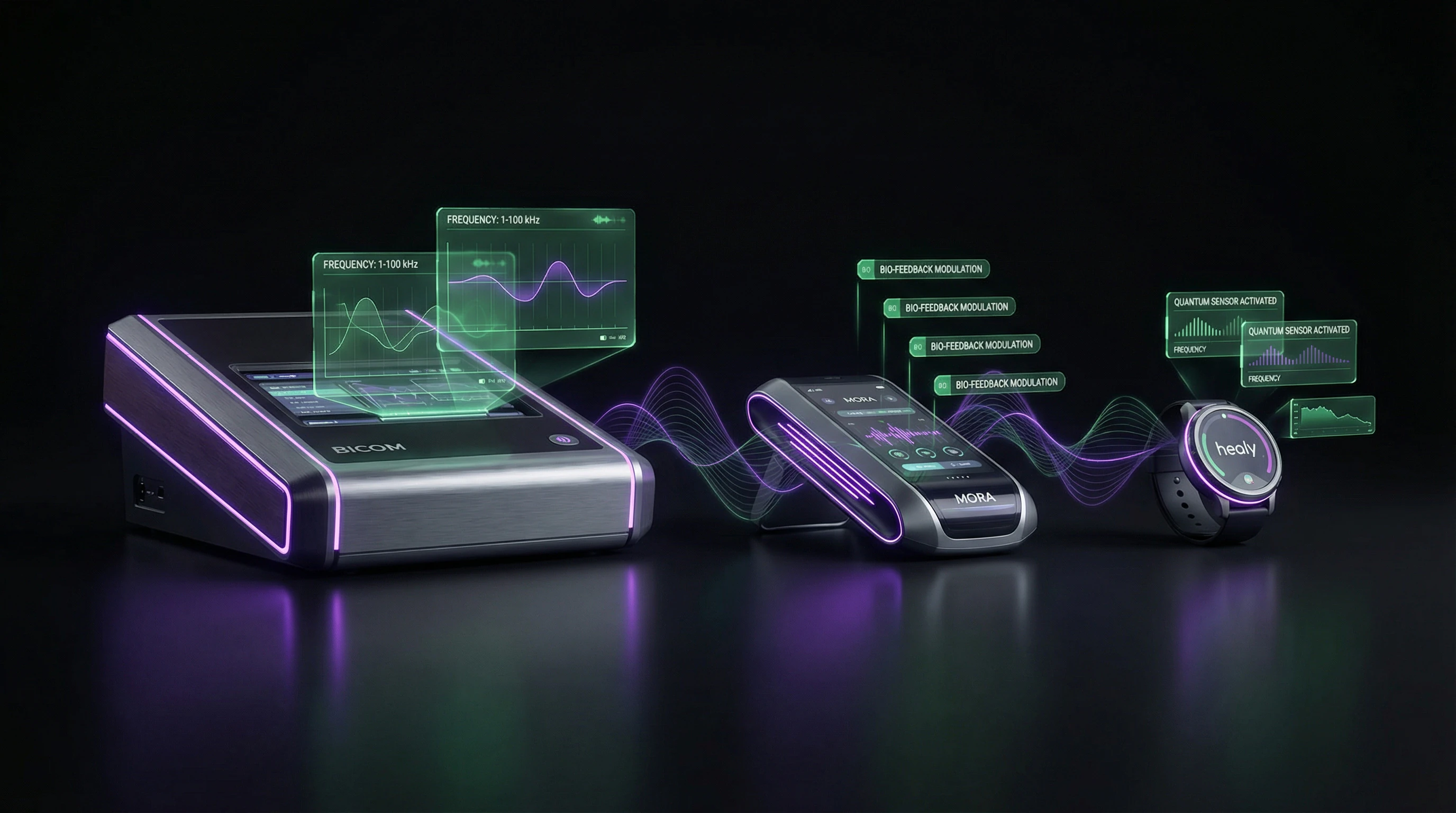
Devices and Protocols: BICOM, MORA, Healy
Common BRT systems include BICOM, MORA, Vegaselect, and portable devices like Healy. Protocols range from diagnostic sessions (where devices allegedly "scan" frequencies through electrodes) to therapeutic procedures of 30–60 minutes with modulated electromagnetic signals.
- Claimed Indications
- Allergies, atopic dermatitis, depression, chronic pain, general wellness improvement, "detoxification."
- Verification Problem
- Technical specifications of devices are rarely disclosed in peer-reviewed publications, making independent verification of mechanisms of action difficult.
A meta-analysis by Walach et al. (2023) included studies with Healy but noted heterogeneity in measured parameters and potential conflicts of interest among authors.
It is critically important to distinguish BRT from evidence-based electromagnetic therapy methods: transcranial magnetic stimulation (TMS) and transcutaneous electrical nerve stimulation (TENS) have clearly defined physical parameters and clinical evidence bases.
Systematic Reviews and Meta-Analyses of the Evidence Base
Austrian HTA Report by Hintringer et al. (2009)
One of the few systematic reviews of bioresonance therapy was conducted by the Austrian Health Technology Assessment (HTA) Agency under Hintringer's leadership in 2009. The report analyzed the application of BRT for allergies, atopic dermatitis, and non-organic disorders.
The authors identified critical methodological flaws: absence of adequate blinding, small sample sizes (often fewer than 50 participants), unclear inclusion criteria, and subjective outcome assessment methods.
| Quality Criterion | RCT Requirement | Status in BRT Studies |
|---|---|---|
| Blinding | Double-blind | Absent or inadequate |
| Sample Size | Power calculation | Insufficient |
| Inclusion Criteria | Clear, validated | Unclear |
| Outcome Measurement | Objective instruments | Subjective methods |
| Replication | Independent studies | Absent |
Key conclusion of the HTA report: the quality of evidence is insufficient to recommend BRT in clinical practice. Not a single study met the criteria for a high-quality RCT.
Well-Being Meta-Analysis by Walach et al. (2023)
A meta-analysis by Walach and colleagues in the journal Complementary Medicine Research examined the impact of bioenergetic and bioresonance methods (including the Healy device) on well-being indicators. The analysis included heterogeneous studies with varying protocols, which limits interpretation of the results.
The authors reported some positive effects; however, systematic review revealed substantial limitations: potential conflicts of interest (authors' connections with device manufacturers), absence of standardized protocols, and high variability in the quality of included studies.
- Most studies did not use active placebos capable of mimicking sensory sensations from the device—risk of participant unblinding
- Effect sizes were small to moderate
- Long-term follow-up was absent in most studies
- No biologically plausible mechanism of action exists
The scientific community remains skeptical about the conclusions of this meta-analysis due to methodological weaknesses and the inability to explain claimed effects through known physiological processes.
Clinical Studies by Condition: Evidence Base Analysis
Allergies and Atopic Dermatitis
The Galle et al. (2009) study evaluated BRT application in children with allergic diseases, reporting no adverse effects and age-dependent efficacy. However, the work has significant limitations: lack of randomization, unclear efficacy assessment criteria, and absence of objective biomarkers of allergic response (IgE levels, skin tests).
The Austrian HTA report specifically analyzed BRT studies in atopic dermatitis and found no convincing evidence of clinical efficacy compared to placebo or standard therapy.
No study has demonstrated changes in objective immunological parameters following BRT: levels of specific IgE antibodies, eosinophils, or cytokine profiles remain unchanged.
Reported improvements were based predominantly on subjective quality-of-life questionnaires without validated dermatological severity indices (SCORAD, EASI). The absence of long-term follow-up (beyond 6 months) prevents assessment of the sustainability of purported effects.
Depression and Mental Disorders
The Muresan et al. (2022) study examined BRT application in mild to moderate depression, but methodological details remain unclear. Publication in the PMC repository does not guarantee rigorous peer review, and the absence of information on blinding, control groups, and mechanism validation critically limits result interpretation.
Standard depression assessment instruments (Hamilton, Beck scales, PHQ-9) were either not used or their application was not properly described.
- Placebo effect in depression reaches 30–40% in clinical trials, requiring double-blinding and active placebo.
- No BRT study in mental disorders meets the methodological standards of psychopharmacological trials.
- The risk of delaying evidence-based therapy (psychotherapy, antidepressants) in favor of an unproven method represents a serious clinical problem.
Smoking Cessation and Other Applications
The Marakoğlu et al. (2024) study evaluated 1,272 patients using BRT for smoking cessation—one of the largest samples in BRT literature. Despite the large sample size, methodology remains unclear: information is absent on control groups, follow-up duration, and biochemical verification of smoking cessation (cotinine, exhaled CO).
Without these parameters, it is impossible to distinguish true effect from spontaneous cessation or attention effect.
The Tas et al. (2023) study explicitly stated that it "could not effectively utilize bioresonance therapy frequency" in an experimental neuroregeneration model—a direct indication of the absence of measurable biological effects.
Systematic database searches revealed no BRT study that has been independently replicated by different research groups with reproduction of positive results.
Methodological Limitations and Quality of Evidence in Bioresonance Research
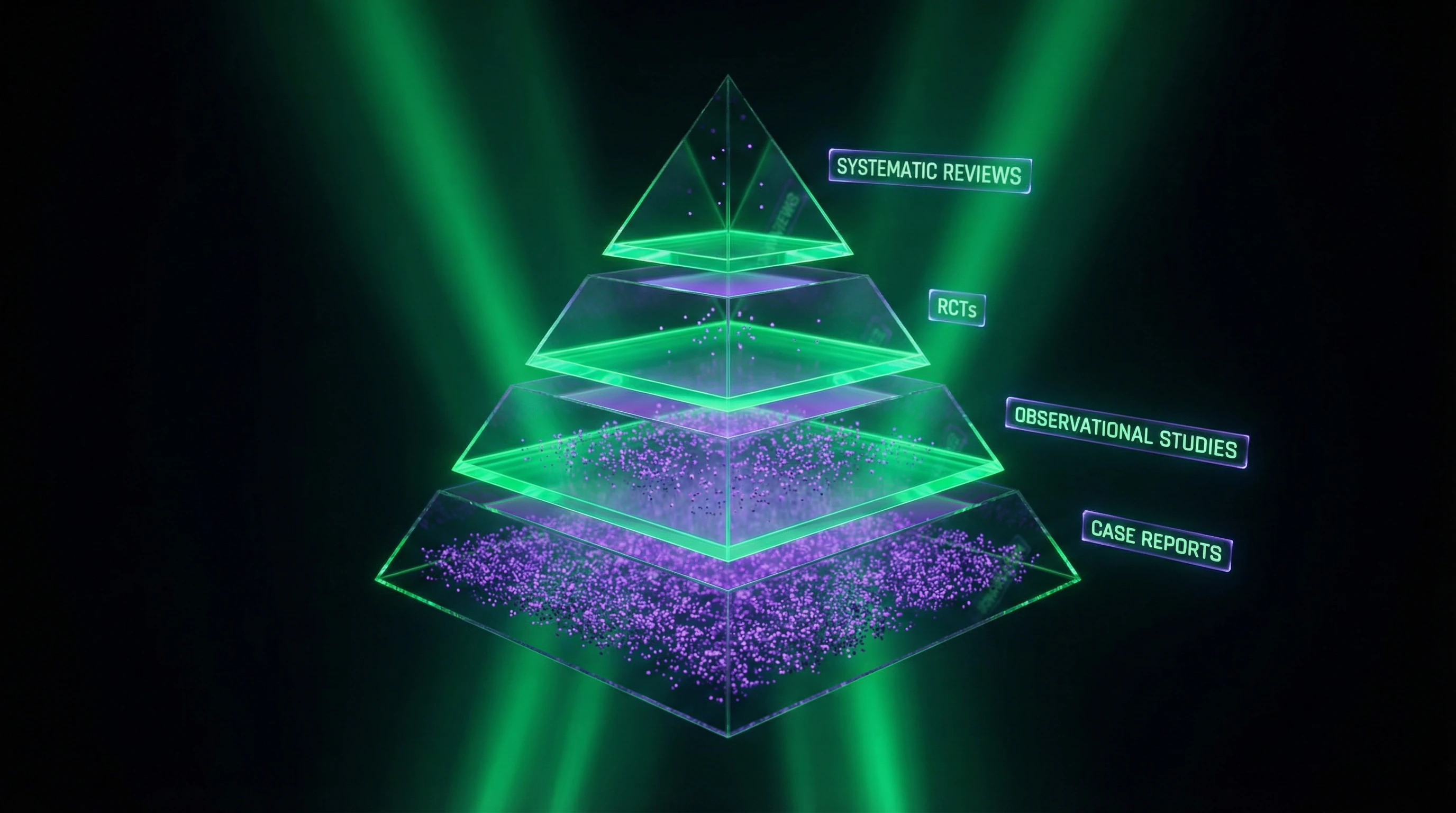
Systematic analysis of bioresonance therapy literature reveals critical methodological flaws that make it impossible to draw reliable conclusions about the method's effectiveness. The Austrian HTA report (Hintringer et al., 2009) emphasizes that most bioresonance studies fail to meet basic clinical trial standards.
The absence of independent replication of results by different research groups remains a fundamental problem across the entire field.
Lack of Blinding and Adequate Controls
A critical flaw in most bioresonance studies is the absence of double-blind design, making results vulnerable to placebo effects and observer bias.
Without proper blinding, it's impossible to separate the device's specific effect from nonspecific factors: therapist attention, patient expectations, and the natural course of disease.
The Galle et al. (2009) study on pediatric allergies used no placebo control or objective measurements, relying on subjective parental reports. The Walach et al. (2023) meta-analysis included studies with heterogeneous well-being assessment criteria, complicating interpretation of aggregated data.
Small Sample Sizes and Conflicts of Interest
Most published bioresonance studies are characterized by insufficient sample sizes to detect clinically meaningful effects. The Muresan et al. (2022) study on depression provides no power calculation and has unclear randomization methodology.
- The Walach et al. (2023) meta-analysis raises concerns about conflicts of interest: some authors are affiliated with bioresonance device manufacturers.
- Research funding by equipment manufacturers creates systematic publication bias.
- Positive results are published more frequently than negative ones.
Negative Results and Lack of Biological Plausibility
The Tas et al. (2023) study presents a rare example of an explicitly negative result, stating it "could not effectively utilize bioresonance therapy frequency" in an experimental neuroregeneration model. This indicates an absence of measurable biological effects under controlled conditions.
Systematic searches in PubMed, Cochrane Library, and Scopus revealed no bioresonance studies that have been successfully replicated by independent groups with reproduction of positive results. The absence of a validated mechanism of action and reproducible biological markers makes bioresonance incompatible with the modern evidence-based medicine paradigm.
Common Myths and Misconceptions About Bioresonance Therapy
Marketing of bioresonance devices actively exploits scientific terminology, creating an illusion of scientific validity in the absence of reliable evidence. Understanding common myths is critically important for medical professionals and patients to make informed health decisions.
The Myth of Scientific Proof and Diagnostic Capabilities
The claim that bioresonance is "scientifically proven" does not correspond to reality: although some studies show positive results, the overall evidence base remains weak due to methodological limitations, lack of controls, and irreproducibility.
Systematic reviews consistently note insufficient research quality to form clinical recommendations. Claims about BRT's diagnostic capabilities—detecting specific diseases through electromagnetic frequency analysis—lack validated scientific support.
No bioresonance device has passed clinical validation against gold standard diagnostics (laboratory tests, imaging, biopsy) in independent studies.
Quantum Physics and Pseudoscientific Terminology
Marketing materials often use terms like "quantum medicine," "bioquantum therapy," and "quantum frequencies," which are not recognized in either physics or medicine and represent pseudoscientific appropriation of quantum terminology.
- Quantum effects
- do exist at the subatomic level, but there is no scientific evidence that they can be measured or modified by bioresonance devices for therapeutic purposes.
- Confusion with evidence-based methods
- bioresonance is often conflated with TENS (transcutaneous electrical nerve stimulation) or TMS (transcranial magnetic stimulation), which have different mechanisms of action and robust evidence bases.
Safety and Missed Treatment Opportunities
While direct physical harm from BRT is rare, the primary risk lies in delaying or refusing conventional medical treatment for serious conditions. Patients with oncological, cardiovascular, or endocrine diseases who rely exclusively on bioresonance may miss the critical window for effective therapy.
Financial costs are significant: BRT courses can cost hundreds or thousands of dollars without guarantee of effects exceeding placebo.
Regulatory status of bioresonance devices varies: in most jurisdictions they are not approved for diagnosis or treatment of specific diseases and are classified as general wellness devices or not regulated at all. This creates a legal vacuum in which manufacturers can make unsubstantiated claims without proper accountability.
Practical Recommendations and Decision-Making Checklists
Medical professionals and patients need a structured approach to evaluating claims about bioresonance therapy. The following checklists are based on principles of evidence-based medicine and critical thinking.
For Medical Professionals: Evaluating Patient Requests
When discussing BRT with patients, it's important to understand their motivation: dissatisfaction with conventional treatment, chronic symptoms without diagnosis, or marketing influence.
Ensure that evidence-based treatment options have been considered and explained, including their limitations and side effects.
- Randomized controlled study design
- Adequate sample size with power calculation
- Proper blinding (preferably double-blind)
- Validated outcome measures
- Publication in peer-reviewed indexed journal
- Independent replication of results
- Disclosure of authors' conflicts of interest
Document the discussion of alternative methods in the medical record, including information provided about risks and limitations of evidence.
For Patients and Consumers: Critical Questions
Before starting BRT, ask the practitioner specific questions about your particular condition, measurable outcomes, and timeframes for achieving them.
Request information about scientific studies supporting effectiveness for your condition, the practitioner's qualifications, and the full cost of treatment.
Claims of "miracle cures," guaranteed results, or pressure to make immediate decisions are signs of unethical practice.
Request written information about the proposed treatment and time to review it before making a decision. Consult with your primary care physician before starting BRT, especially with serious conditions or when taking medications.
Regulatory Status and Risk Management
In most countries, bioresonance devices are not approved by regulatory agencies (FDA, EMA) for diagnosing or treating specific diseases. They are often classified as general wellness devices or not regulated at all.
This means no guarantees of safety, effectiveness, or manufacturing quality. If you decide to try BRT, continue conventional treatment and regular medical monitoring, especially with chronic or serious conditions.
| Management Stage | Action |
|---|---|
| Before starting | Establish clear, measurable goals and timeframes for evaluating effectiveness |
| During treatment | Continue conventional treatment and regular medical monitoring |
| If no results | If no improvement is observed within the agreed period, discontinue treatment |
| If side effects occur | Inform your physician immediately and consider reporting to regulatory authorities |

Knowledge Access Protocol
FAQ
Frequently Asked Questions
Bioresonance therapy is an alternative method based on the idea that the body emits electromagnetic frequencies that can be corrected for healing. Proponents claim that diseases create "disharmonious" frequencies, correctable by specialized devices (BICOM, MORA, Healy). The scientific consensus remains skeptical due to the absence of proven biological mechanisms and reproducible results.
High-quality evidence is extremely limited. An Austrian HTA report (Hintringer et al., 2009) identified serious methodological flaws in studies on allergies and dermatitis. A meta-analysis by Walach et al. (2023) showed some positive effects on well-being, but had conflicts of interest and heterogeneous evaluation criteria.
Manufacturers claim effectiveness for allergies, atopic dermatitis, depression, smoking cessation, and pain. Studies by Galle et al. (2009) examined childhood allergies, Muresan et al. (2022) studied depression, and Marakoğlu et al. (2024) investigated smoking. However, all these studies have weak designs without reliable placebo controls.
There is no validated scientific data confirming the diagnostic capabilities of bioresonance devices. The theory of detecting disease-specific frequencies lacks empirical confirmation. Using such devices for diagnosis may lead to missing real diseases and delaying adequate treatment.
No, this is pseudoscientific use of terminology. Marketing materials often mention "quantum medicine" and "bioquantum," but these terms are not recognized in physics or medicine. This is an example of improper appropriation of scientific concepts to lend legitimacy to unverified methods.
Direct physical harm is rare, but the main risk is abandoning proven treatment for serious diseases. The pediatric study by Galle et al. (2009) found no side effects, but lost time with cancer, infections, or diabetes can be fatal. Financial costs for ineffective procedures are also significant.
The most common devices are BICOM, MORA, Vegaselect, and newer devices like Healy. All claim the ability to read and correct the body's electromagnetic frequencies. None of these devices have passed rigorous clinical validation according to evidence-based medicine standards.
The study by Galle et al. (2009) reported age-dependent effectiveness in children with allergies, but without objective measurements and placebo control. The Austrian HTA report emphasized insufficient evidence for allergic conditions. Standard methods (allergen elimination, antihistamines) have proven effectiveness.
The study by Marakoğlu et al. (2024) included 1,272 patients, but control methodology and follow-up duration are unclear. Without randomization and blinding, it's impossible to separate the effect from placebo or motivation. Proven methods (nicotine replacement therapy, varenicline, psychotherapy) are preferable.
The meta-analysis identified some positive effects of bioenergetic/bioresonance methods (including Healy) on well-being. However, the study has limitations: potential conflicts of interest, heterogeneous evaluation criteria, and publication in a complementary medicine journal. Results require independent replication.
There are no plausible biological mechanisms and no reproducible clinical data. The Tas et al. (2023) study explicitly stated the inability to effectively use bioresonance frequencies in an experimental model. Most studies have small sample sizes, lack of blinding, and conflicts of interest.
Demand scientific publications in peer-reviewed journals with high impact factors, not promotional brochures. Verify device registration with the FDA and the existence of clinical trials. Beware of promises to "cure all diseases," references to quantum physics, and demands for prepayment of lengthy treatment courses.
Theoretically yes, if it doesn't delay evidence-based therapy, but the benefit is questionable. It's important to inform your treating physician about all methods being used. Financial resources spent on bioresonance might be better directed toward proven rehabilitation methods, nutrition, or psychological support.
Main deficiencies include: absence of double-blinding, small sample sizes, inadequate placebo controls, and conflicts of interest. The Austrian HTA report (2009) systematically identified these problems. The depression study by Muresan et al. (2022) did not disclose blinding details or mechanisms, which is typical for this field.
Bioresonance devices should undergo registration as medical devices with the FDA, but many are sold as "wellness gadgets" outside medical regulation. There is no unified standard for clinical validation. Patients should verify registration certificates and clinic licenses before paying for procedures.
Yes, the Tas et al. (2023) study explicitly stated the inability to effectively use bioresonance frequencies in a neuroregenerative model. This indicates an absence of measurable biological effects. Many systematic reviews also find no convincing evidence of efficacy under rigorous methodological evaluation.