 🧹 Detox and Body Cleanses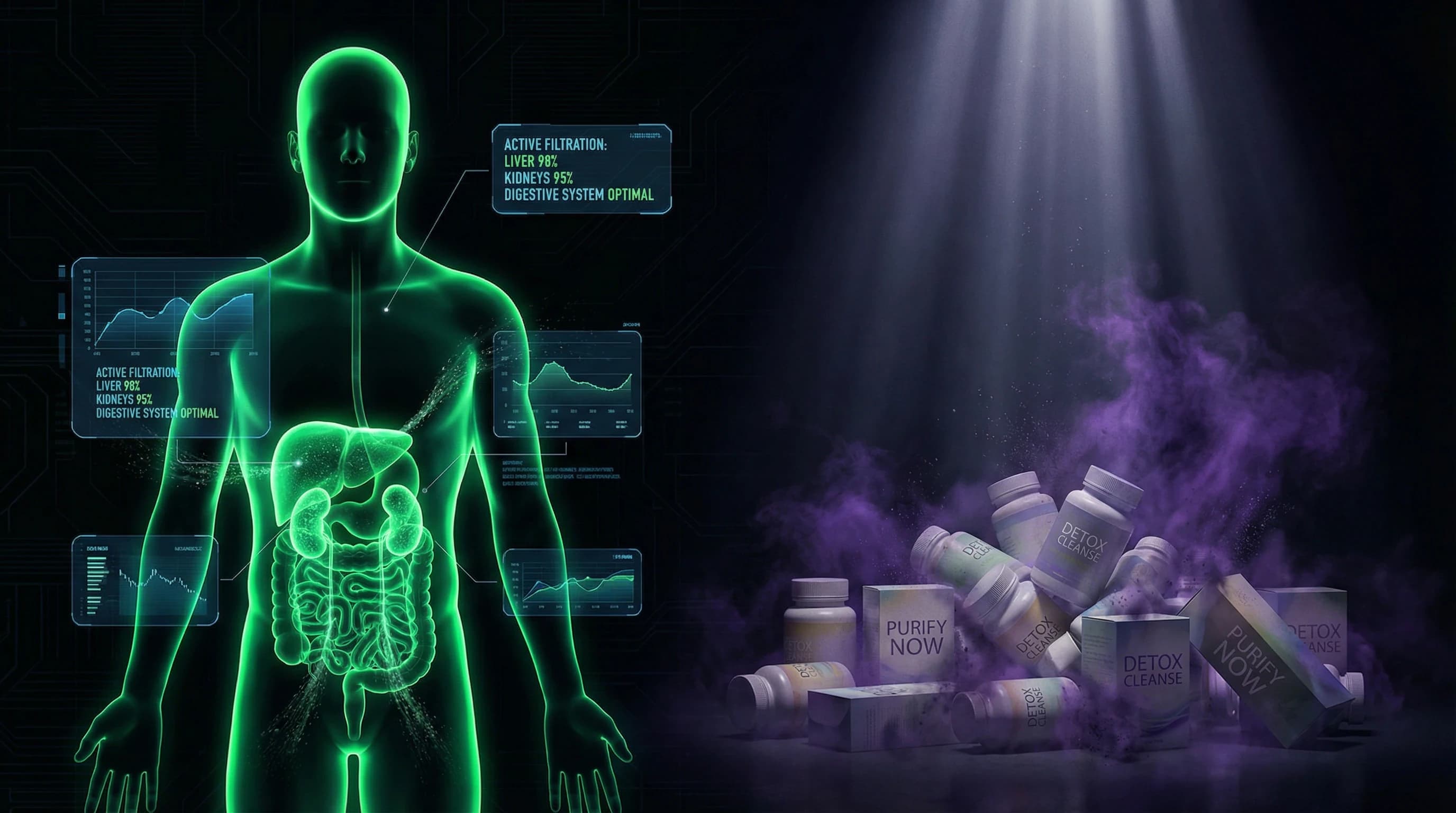
Detox and Cleanses: The Scientific Truth About Commercial Body Cleansing Programsλ
A healthy body doesn't need detox — the liver, kidneys, and digestive system continuously eliminate metabolic waste without external intervention, and commercial cleansing programs lack scientific evidence.
Overview
Detox programs promise elimination of "toxins" and "waste products" through juice diets, fasting, and special supplements. A healthy body has its own detoxification systems 🧬: the liver, kidneys, and digestive system work around the clock without external intervention. The term "waste products" is borrowed from metallurgy and has no biological equivalent, while extreme restrictive diets can lead to electrolyte imbalances, dehydration, and digestive system damage.
🛡️
Laplace Protocol: Commercial detox programs have no scientific basis. A healthy person's body continuously self-cleanses through the liver, kidneys, and intestines. Medical detoxification is only required for acute poisoning, addictions, or organ failure under medical supervision. Support your natural cleansing systems with balanced nutrition, adequate hydration, physical activity, and quality sleep.
Reference Protocol
Scientific Foundation
Evidence-based framework for critical analysis
Protocol: Evaluation
Test Yourself
Quizzes on this topic coming soon
Sector L1
Articles
Research materials, essays, and deep dives into critical thinking mechanisms.
🧹 Detox and Body Cleanses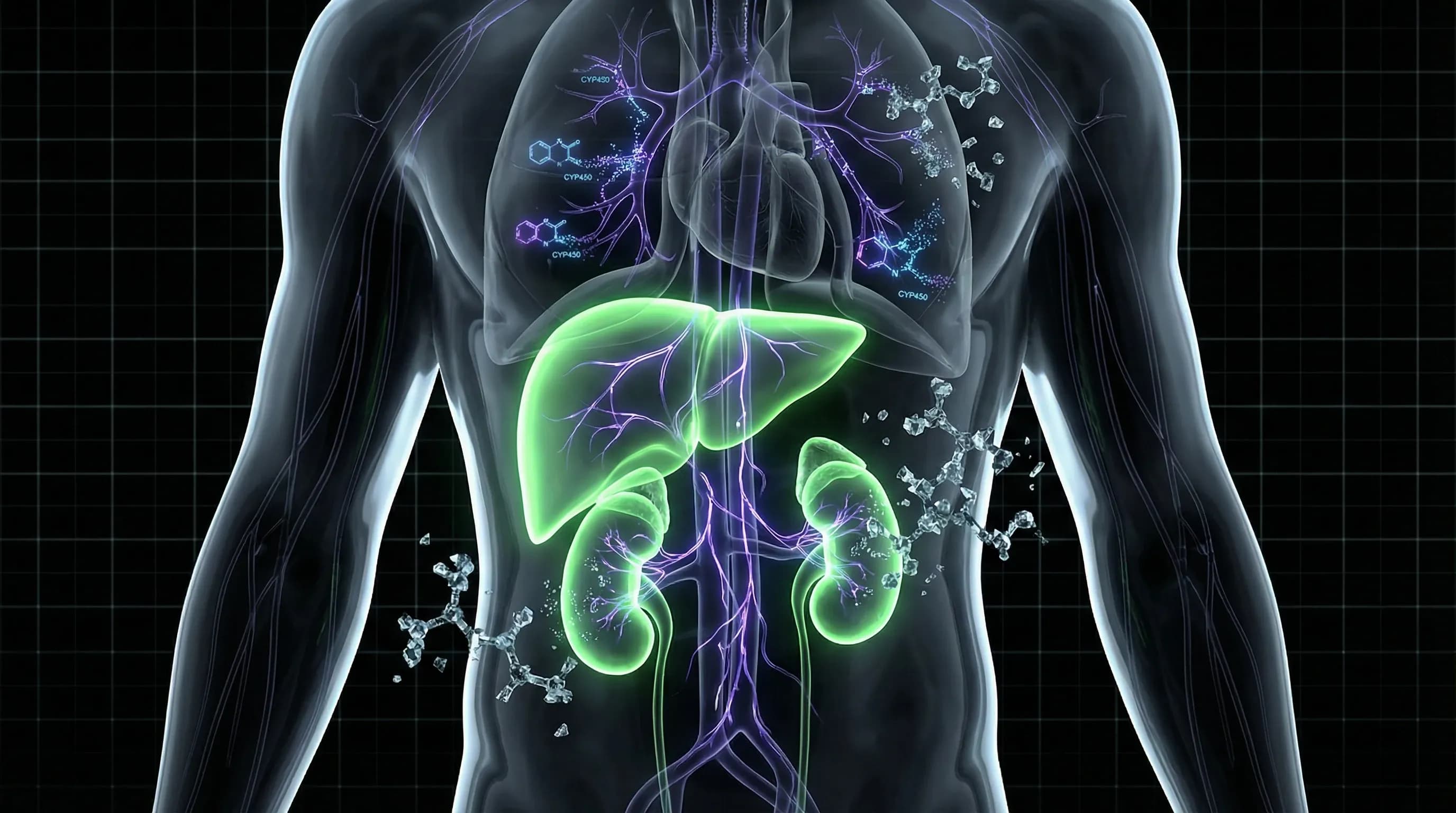 🧹 Detox and Body Cleanses
 🧹 Detox and Body Cleanses
⚡
Deep Dive
Natural Body Detoxification Systems: How the Body Cleanses Without Intervention
The human body is a self-sufficient continuous detoxification system, operating 24/7 without external interventions. Healthy individuals do not need periodic cleanses: toxins and metabolic byproducts are constantly eliminated through natural mechanisms.
Commercial detox programs are not medical procedures and lack scientific justification for use in people without specific medical conditions.
Liver: The Primary Filter
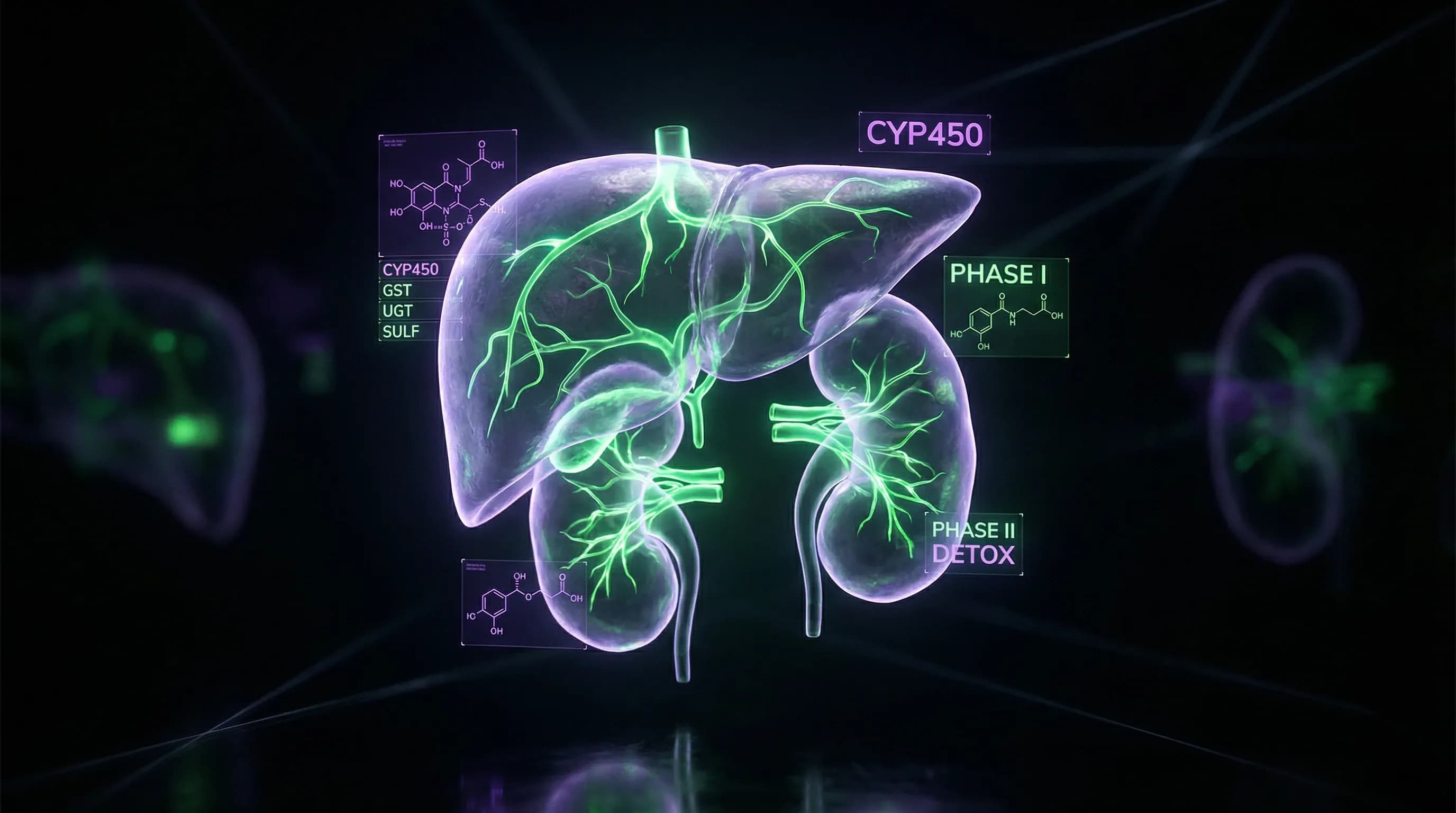
The liver processes and neutralizes potentially harmful substances through complex biochemical reactions. Hepatocytes contain cytochrome P450 enzyme systems that convert lipophilic toxins into water-soluble compounds for subsequent elimination.
- Phase I Detoxification
- Oxidation, reduction, or hydrolysis of toxins — breaking down the molecular structure of harmful substances.
- Phase II Detoxification
- Conjugation with glutathione, sulfates, or glucuronic acid — facilitating excretion through bile and urine.
The liver processes not only external toxins from the environment and food, but also endogenous metabolic products: ammonia, bilirubin, hormones. A healthy liver handles toxic load without support from commercial products — they demonstrate no clinically significant improvement in liver function.
Kidneys: The Filtration System
The kidneys filter approximately 180 liters of blood daily, removing nitrogenous waste products, excess electrolytes, and water-soluble toxins through urine. Nephrons perform selective reabsorption of beneficial substances and active secretion of waste, maintaining homeostasis without external interventions.
| Mechanism | Eliminated Substances | Efficiency |
|---|---|---|
| Glomerular filtration | Urea, creatinine, uric acid | Continuous, without stimulation |
| Tubular secretion | Drug metabolites, excess ions | Selective, adaptive |
In healthy individuals, kidney function does not require stimulation from detox programs. Excessive fluid consumption as part of "cleansing" protocols can lead to water intoxication and hyponatremia — dangerous conditions requiring medical attention.
Digestive Tract, Skin, and Lungs
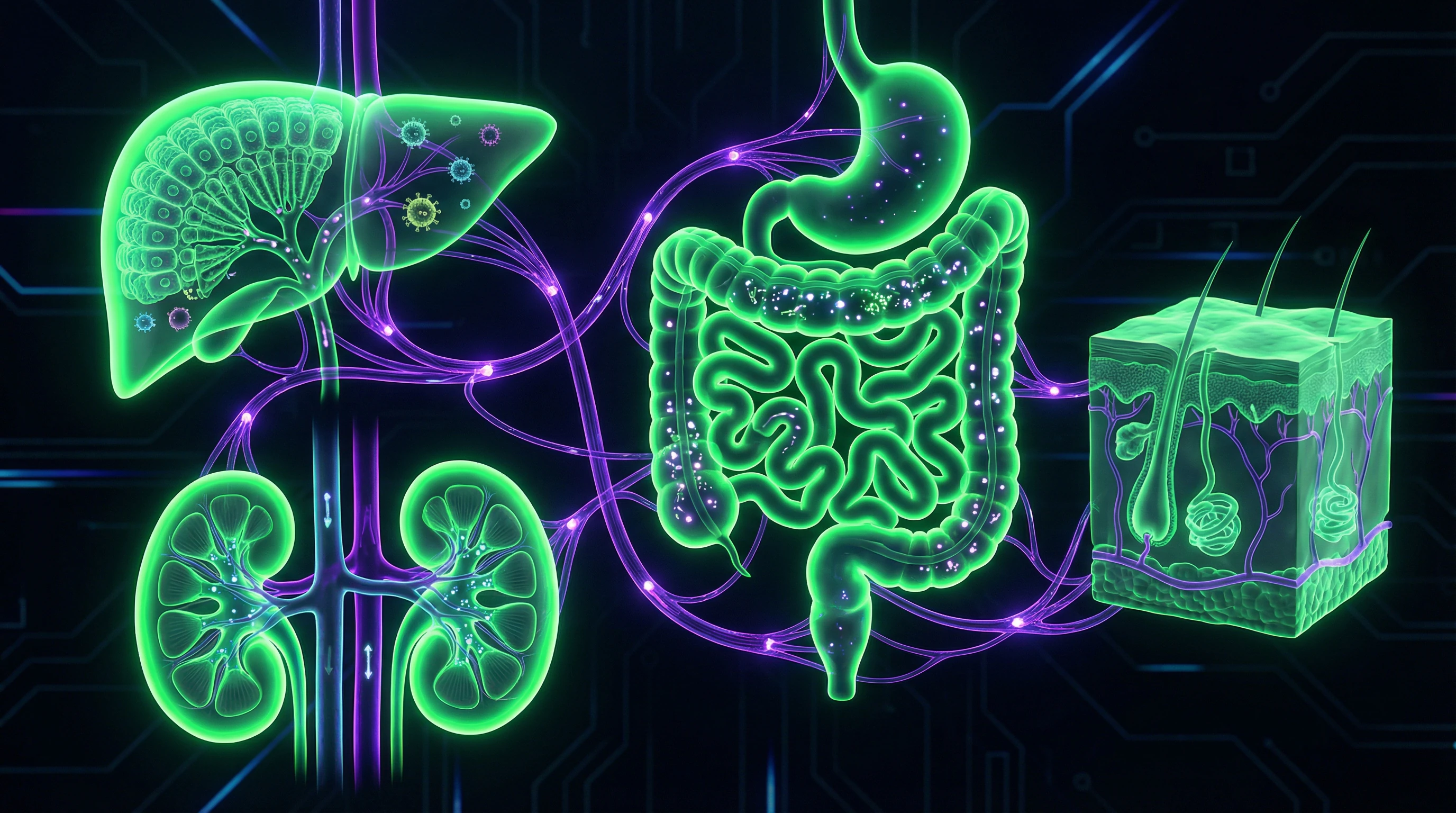
The digestive system eliminates waste through defecation; intestinal microbiota participate in toxin metabolism and maintaining mucosal barrier function. The liver secretes bile with conjugated toxins, which are eliminated with feces, completing enterohepatic circulation.
- Normal peristalsis and regular bowel movements ensure adequate elimination without laxatives or enemas.
- Skin excretes minimal waste through perspiration (urea, lactic acid) — its role in detoxification is negligible.
- Lungs remove carbon dioxide and volatile organic compounds through respiration, complementing the elimination system.
These natural mechanisms function continuously and efficiently without stimulation from commercial detox products or procedures.
Pseudoscientific Concepts: Toxins and Waste in Commercial Programs
Commercial detox programs operate with vague terminology that lacks clear definitions in scientific medicine. The concepts of "toxins" and "waste" are used by marketers to create an illusion of the need for cleansing, but do not correspond to the biological realities of the body.
The absence of specific, measurable parameters in describing these substances indicates the pseudoscientific nature of the detox industry.
Why the Term "Waste" Does Not Apply to Physiology
The term "waste" is borrowed from metallurgy, where it denotes solid byproducts of ore smelting, and has no biological equivalent in the human body. In scientific medicine, the concept of accumulation of undefined "waste" in tissues does not exist, since metabolic byproducts are continuously eliminated through the liver, kidneys, and intestines.
The use of this term in alternative medicine represents linguistic manipulation, creating a false notion of the need for mechanical "removal" of nonexistent substances.
No scientific study has demonstrated the existence of "waste" as discrete accumulations in healthy tissues. Metabolic products—urea, creatinine, bilirubin—have clear biochemical definitions and elimination pathways that do not require intervention from commercial programs.
Ambiguity of the "Toxins" Concept in Commercial Programs
The detox industry rarely specifies which exact "toxins" are supposed to be eliminated, using this term as a universal designation for undefined harmful substances. In toxicology, a toxin is a specific substance with a known mechanism of action and measurable concentration.
- Commercial Programs
- Operate with abstractions without laboratory confirmation and absence of before-and-after measurements of specific toxins in blood or urine.
- Objective Assessment
- Impossible, as there are no clear success criteria and no baseline data on the presence of a problem.
- Real Toxins
- Heavy metals, pesticides, industrial chemicals require medical chelation therapy or specific antidotes, not juice fasts or laxatives.
A healthy body does not accumulate undefined "toxins" requiring periodic elimination through special diets.
The vagueness of terminology serves marketing purposes, allowing avoidance of scientific verification of efficacy claims.
Scientific Critique of Detox Programs: Absence of Evidence Base
The medical and scientific community is unanimous: commercial detox programs lack clinical evidence of efficacy. They contradict our understanding of excretory system physiology and may lead to medical complications.
Absence of Clinical Evidence
Systematic reviews have identified no quality studies demonstrating benefits of detox diets for healthy individuals. Commercial products do not undergo clinical trials required for medical interventions.
The absence of measurable outcomes (biochemical markers, organ function indicators) makes scientific validation of detox protocols impossible. Long-term studies are nonexistent.
Short-term effects (weight loss, subjective improvement) are explained by caloric deficit and placebo effect, not toxin elimination.
Position of Evidence-Based Medicine
Harvard Medical School confirms: the body's natural detoxification systems are sufficient. Evidence-based medicine requires reproducible clinical data for any intervention — detox practices do not meet these standards.
Medical professionals emphasize the body's self-cleansing capacity and warn against unnecessary commercial procedures. Only patients with specific conditions (liver failure, kidney disease, acute poisoning) require medical detoxification under professional supervision.
| Category | Detox Programs | Evidence-Based Medicine |
|---|---|---|
| Clinical Trials | Absent | Mandatory |
| Measurable Results | Subjective feelings | Biochemical markers |
| Mechanism of Action | Vague | Clearly defined |
| Recommendation for Healthy | Yes | No |
Gap Between Alternative and Scientific Medicine
Detoxes are popular among alternative medicine practitioners but decisively rejected by scientists. Holistic practices rely on philosophical concepts and subjective experience; scientific medicine demands objective, reproducible data.
- Characteristic Signs of Pseudoscientific Detox Claims
- Vague terminology, absence of measurable results, reliance on anecdotal testimonials instead of clinical studies.
- Conflict of Interest in the Detox Industry
- Financial motivation of manufacturers impedes objective assessment of product efficacy.
The scientific community calls for critical thinking and demands evidence before accepting any medical recommendations. Detoxes are being reconsidered in light of growing understanding of the body's natural self-cleansing capabilities.
Risks and Side Effects of Cleanses: What Detox Program Manufacturers Hide
Commercial detox programs carry real medical risks that are rarely mentioned in marketing materials. Enthusiasm for cleanses can be unsafe, especially when laxatives are abused.
The short-term nature of detox programs does not exclude psychological harm and physiological disturbances that can develop even within a few days of strict restrictions.
Electrolyte Imbalances and Dehydration from Laxative Abuse
Laxative abuse leads to serious electrolyte imbalances, dehydration, and drug dependency. Loss of fluids and minerals through the gastrointestinal tract disrupts sodium, potassium, and magnesium balance, causing cardiac arrhythmias and muscle weakness.
Prolonged laxative use damages intestinal nerve endings, leading to chronic atony and inability to have normal bowel movements without stimulation. Restoring electrolyte balance after aggressive cleanses can take weeks and require medical intervention.
- Loss of sodium, potassium, magnesium → cardiac rhythm disturbances
- Dehydration from solid food restriction → kidney dysfunction
- Damage to intestinal nerve endings → chronic atony
- Illusion of "cleansing" through frequent urination → loss of necessary water
Connection to Eating Disorders
Detoxes represent forms of strict dietary restriction linked to eating disorders. The psychological pattern of "cleansing" after periods of food "contamination" reflects the dichotomous thinking characteristic of bulimia nervosa and orthorexia.
Cycles of restriction and "cleansing" reinforce beliefs about the need to control the body and fear of "contamination" from ordinary food. Detox product marketing exploits guilt and shame associated with eating, intensifying anxiety and compulsive behavior.
- Orthorexia
- Obsessive pursuit of "clean" eating, where detox becomes a tool for moral control over the body. Eating disorder specialists view detox enthusiasm as a potential predictor of more serious disturbances.
- Bulimic Cycle
- Alternation between periods of restriction and compensatory behavior, where detox plays the role of a "cleansing" phase after perceived "overeating."
Muscle Mass Loss and Nutrient Deficiency
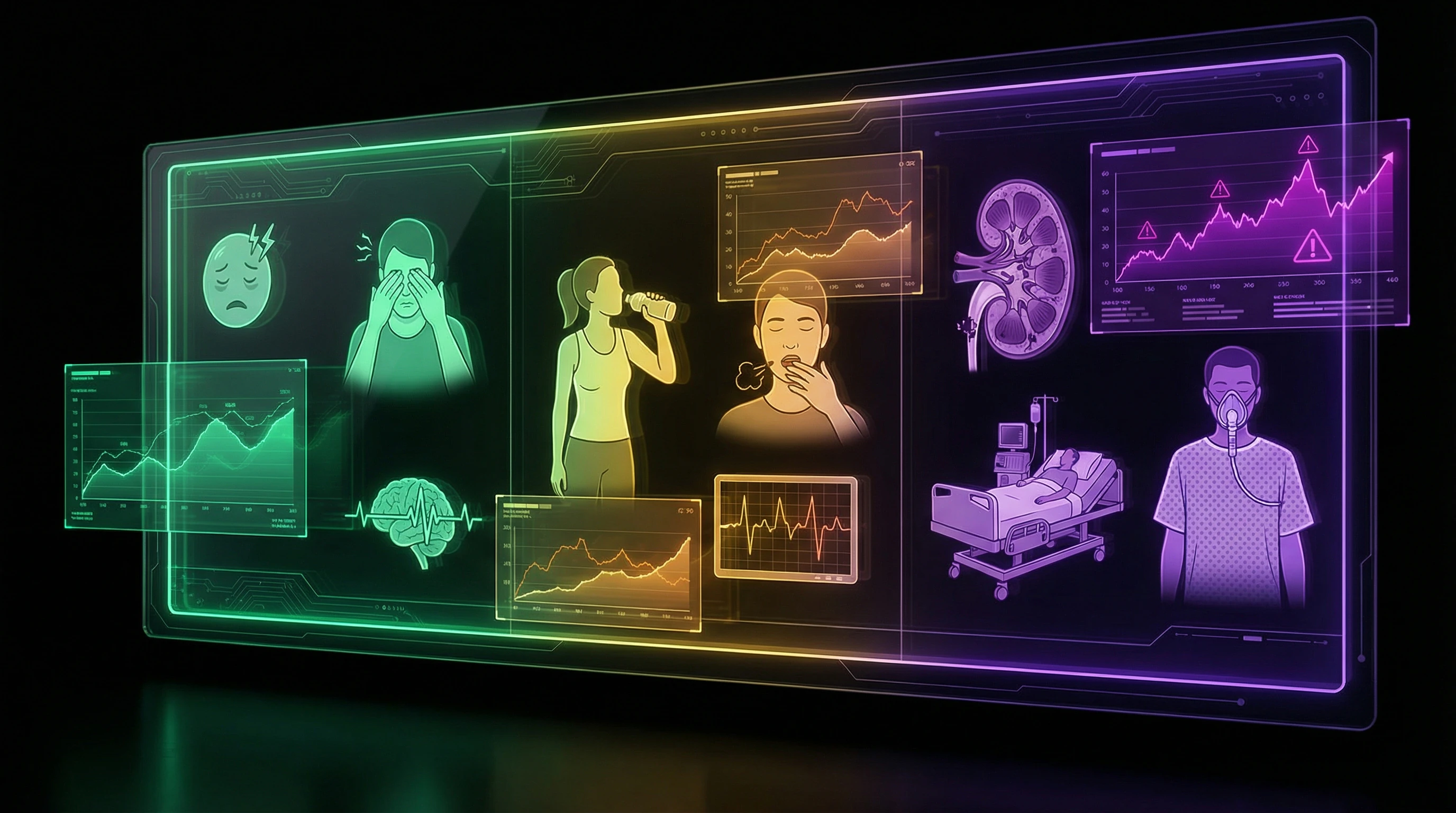
Extreme dietary restrictions lead to muscle mass loss, nutrient deficiencies, and metabolic disturbances. Low-calorie juice diets deprive the body of protein necessary for maintaining muscle tissue, triggering catabolic processes.
Weight loss on detoxes occurs primarily through water and muscle, not fat tissue. Deficiencies in B vitamins, iron, calcium, and essential fatty acids develop within just a few days.
| Metabolic Effect | Mechanism | Consequence |
|---|---|---|
| Glucose reduction | Fasting depletes glycogen | Weakness, dizziness |
| Ketosis | Fat breakdown with carbohydrate deficit | Nausea, bad breath |
| Metabolic slowdown | Adaptive response to starvation | "Yo-yo" effect after detox |
After completing a detox, the body tends toward rapid weight regain with preferential fat tissue accumulation, creating a "yo-yo" effect and motivating repeated cleanse cycles.
Medical Detoxification: When It's Actually Needed
True medical detoxification is a specialized procedure for specific pathological conditions under medical supervision. Unlike commercial programs, it has clear indications, protocols, and proven efficacy.
Healthy people do not require periodic detoxes: the body continuously eliminates toxins and metabolic waste products without external intervention.
Acute Poisoning and Overdoses
Acute poisoning from chemicals, medications, or drugs requires immediate medical detoxification in a hospital setting. Protocols include gastric lavage, antidote administration, forced diuresis, and hemodialysis depending on the type of toxin and severity of condition.
Time is critical: detoxification efficacy is maximal in the first hours after toxin exposure.
Medical detoxification targets specific, measurable substances with known pharmacokinetics—unlike the vague "toxins" of commercial programs. Monitoring of vital signs and laboratory parameters allows real-time assessment of intervention effectiveness.
Medically Supervised Addiction Treatment
Detoxification for alcohol or drug addiction is the first stage of treatment, aimed at safely eliminating psychoactive substances and managing withdrawal syndrome. Medical supervision is necessary to prevent dangerous complications: delirium, seizures, cardiovascular disturbances.
- Gradual dose reduction of the substance
- Replacement therapy (when indicated)
- Symptomatic treatment under addiction specialist supervision
- Transition to psychotherapy and rehabilitation
Detoxification for addictions is not a standalone treatment, but merely a preparatory stage. Attempts at self-detoxification without medical supervision can be life-threatening, especially with alcohol and benzodiazepine dependence.
Commercial detox programs have no relation to medical detoxification for addictions and cannot replace it.
Dialysis for Kidney Failure
Hemodialysis and peritoneal dialysis are forms of medical detoxification for acute or chronic kidney failure, when the kidneys cannot eliminate metabolic waste products. Dialysis removes urea, creatinine, excess potassium, and other toxic substances that accumulate when kidney function is impaired.
- Blood Filtration
- Healthy kidneys perform this continuously and independently. With failure, artificial replacement is required.
- Waste Elimination
- Through urine without intervention—or through a dialysis machine if the kidneys have failed.
- Detox Program Efficacy
- Not needed for healthy people. With kidney failure, they don't help—only dialysis is needed.
Dialysis demonstrates what true medical detoxification looks like: specialized equipment, trained personnel, clear protocols, and proven efficacy.
Evidence-Based Alternatives to Detox: What Actually Supports Health
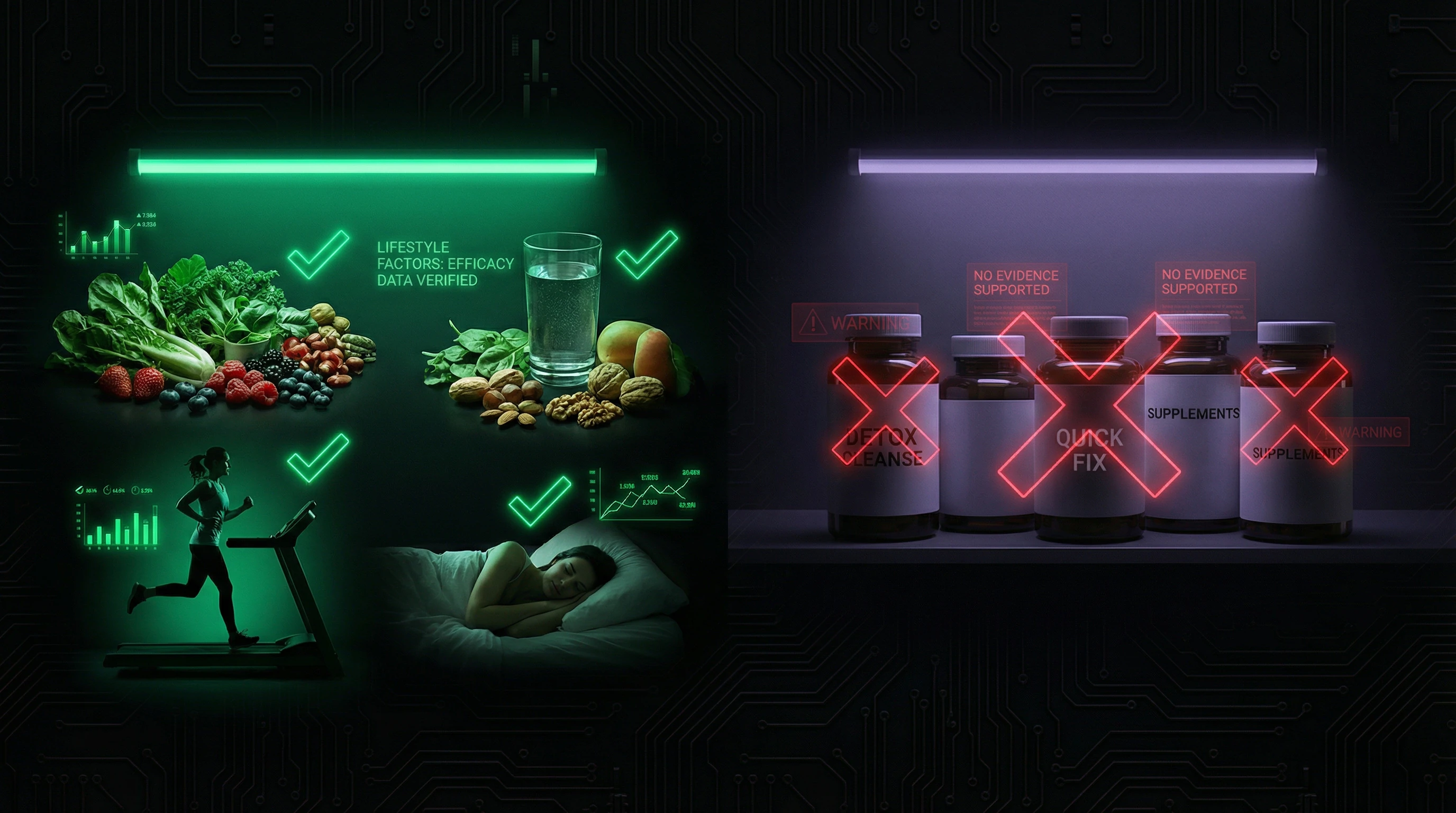
Instead of commercial detox programs, the scientific community recommends evidence-based health support strategies grounded in the physiology of the body's natural detoxification systems.
Optimizing liver, kidney, and digestive system function is achieved through lifestyle, not through restrictive diets or expensive supplements.
Balanced Nutrition and Hydration
A varied diet—vegetables, fruits, whole grains, proteins, healthy fats—provides the liver with all necessary nutrients for enzymatic detoxification reactions. The liver uses amino acids, B vitamins, antioxidants, and minerals; restrictive diets block these processes.
Adequate water intake supports kidney function and elimination of water-soluble waste. Fiber from plant foods promotes regular bowel movements and waste elimination through the digestive system.
| Approach | Mechanism | Outcome |
|---|---|---|
| Balanced nutrition | Supplies cofactors for detoxification | Organs function efficiently |
| Detox diet | Restricts nutrients | Disrupts natural systems |
| Hydration | Supports kidney elimination | Reduces waste concentration |
Physical Activity and Sleep
Regular physical activity improves circulation, stimulates the lymphatic system, and promotes substance elimination through sweat. Exercise increases metabolic efficiency and helps maintain healthy weight, reducing burden on detoxification organs.
Moderate regular exercise is more effective than intense short-term programs.
Quality sleep is critical for restoration and detoxification, especially for the brain's glymphatic system, which activates during sleep. Chronic sleep deprivation disrupts metabolic processes, hormonal balance, and immune system function.
Limiting Alcohol and Smoking Cessation
Reducing alcohol consumption or complete abstinence significantly decreases toxic burden on the liver. Alcohol is hepatotoxic, and its regular consumption impairs the liver's ability to process other substances.
Smoking cessation eliminates the intake of thousands of toxic compounds through the lungs and reduces risk of numerous diseases.
- Prevention of toxin exposure
- Avoiding real toxins—alcohol, tobacco, polluted air—is more effective for health than any detox programs aimed at eliminating mythical "toxins."
- Natural detoxification in healthy organisms
- The human body not exposed to known toxins does not require additional detoxification and handles metabolic waste elimination independently.
Knowledge Access Protocol
FAQ
Frequently Asked Questions
Detox is a commercial practice claiming to cleanse the body of "toxins" through diets, juices, or fasting. Healthy individuals don't need detox: the liver, kidneys, and GI tract continuously eliminate metabolic waste without external interventions. No scientific evidence supports the effectiveness of detox programs.
No, "accumulated toxins" is a pseudoscientific term borrowed from metallurgy, inapplicable to physiology. In medicine and biology, this concept doesn't exist, as the body continuously eliminates waste through natural systems. Accumulation of undefined "toxins" doesn't occur in a healthy body.
The liver is the primary detoxification organ, neutralizing harmful substances 24/7 through enzymatic reactions. It converts toxins into safe compounds eliminated through bile or via the kidneys. A healthy liver functions effectively without additional "cleanses."
Detoxes can cause electrolyte imbalances, dehydration, and nutrient deficiencies with severe restrictions. Laxative abuse leads to dependency and intestinal damage. Extreme diets are linked to eating disorders and loss of muscle mass.
Harvard Medical School confirms the absence of scientific evidence supporting detox programs. A healthy person's body independently eliminates toxins through the liver and kidneys. Commercial detoxes lack medical justification and are not recommended by specialists.
Drink adequate water (1.5–2 liters/day), consume fiber (vegetables, fruits, whole grains) and protein for liver function. Limit alcohol, avoid overeating, and maintain physical activity. Quality sleep (7–8 hours) is critical for detoxification organ recovery.
Juice detoxes cause temporary weight loss from water and intestinal contents, not fat. After returning to normal eating, weight quickly rebounds. Protein and calorie deficits lead to muscle loss and metabolic slowdown.
Medical detoxification is needed for acute poisoning, drug overdoses, or alcohol withdrawal under physician supervision. Dialysis is used for kidney failure to cleanse blood. These are inpatient procedures unrelated to commercial "cleanses."
Yes, strict detox restrictions can initiate the "binge-restrict" cycle characteristic of eating disorders. Psychological harm occurs even with short-term programs due to formation of unhealthy relationships with food. Individuals predisposed to anorexia or bulimia are especially vulnerable.
The liver neutralizes toxins, kidneys filter blood and excrete waste in urine, intestines eliminate undigested residue. Skin releases some substances through sweat, lungs remove carbon dioxide and volatile compounds. These systems operate continuously without external interventions.
This is a myth — a healthy liver self-cleanses and doesn't accumulate toxins requiring 'removal.' Commercial 'liver cleanses' lack scientific basis and can be dangerous. The best liver support is avoiding alcohol, eating healthy, and maintaining a healthy weight.
Detox teas contain laxative or diuretic herbs that cause temporary fluid loss, not 'toxin' removal. Regular use leads to dehydration, electrolyte imbalances, and laxative dependency. Plain water is more effective for hydration and kidney function.
In case of acute poisoning (vomiting, diarrhea, confusion), call emergency services immediately — this is a medical emergency. Don't attempt to 'detox' with home remedies: professional diagnosis and treatment are needed. Keep the substance packaging for medical analysis.
Lymphatic drainage massage may reduce swelling, but doesn't 'cleanse' lymph of toxins — the immune system does that. Lymph nodes filter pathogens naturally without external manipulation. Commercial 'lymph cleanses' have no scientific basis.
Detox marketing exploits fear of bodily 'contamination' and promises quick results without effort. People confuse temporary relief (from calorie reduction or placebo) with real benefits. Lack of regulation allows unproven products to be sold as 'natural.'
Scientific medicine relies on clinical studies published in peer-reviewed journals and doesn't promise 'miracles.' Pseudoscience uses vague terms ('toxins,' 'waste'), anecdotal testimonials, and aggressive marketing. Verify information on medical portals and consult with physicians.