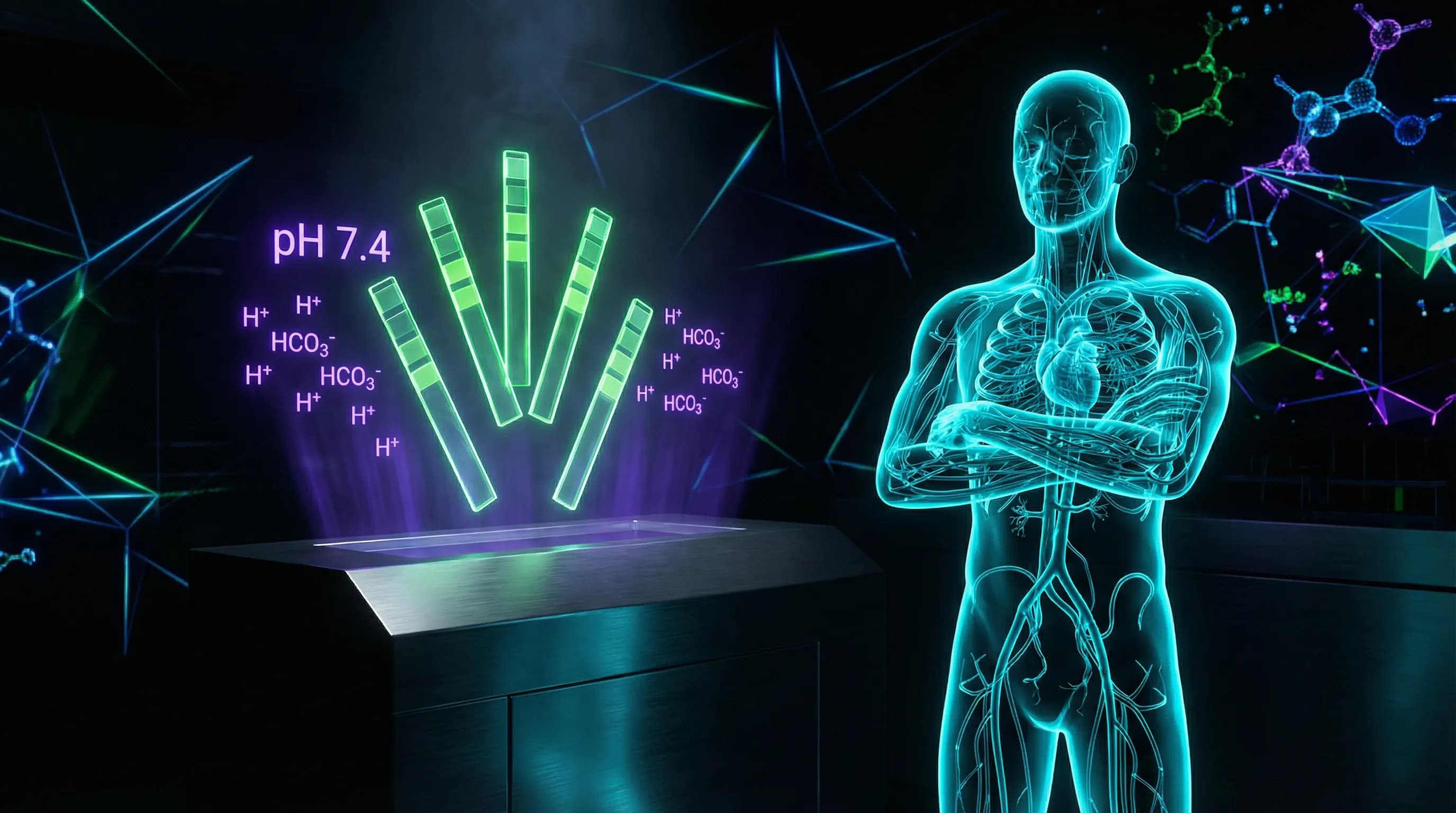
What is the alkaline diet and why does it promise healing through pH balance — anatomy of a popular myth
The alkaline diet is a nutritional system based on the idea that foods are divided into "acidifying" and "alkalizing" categories, and that the balance between them directly affects the body's pH balance, and consequently — health (S002). According to this concept, the modern diet is overloaded with acid-forming foods — meat, dairy products, grains, sugar — which supposedly creates chronic "acidification" of the body and triggers a whole spectrum of problems: from fatigue and headaches to osteoporosis and cancer.
Proponents of the diet claim that switching to a predominantly plant-based diet high in vegetables, fruits, nuts and seeds can "alkalize" the body and restore health. Alkaline foods are defined as those which "after absorption in the body produce a mildly alkaline reaction and help maintain optimal acid-base balance" (S003).
Food classification doesn't depend on taste: lemon, despite its sour taste, is considered an alkaline food, since "whether a food is more alkaline or acidic is not determined by its taste" (S004).
🧩 Central promises of the diet: from energy to cancer prevention
Alkaline diet promoters promise an impressive list of benefits. First and foremost, improved well-being: "headaches and dizziness stop, energy returns, stomach problems disappear" (S002). More ambitious claims include osteoporosis prevention (supposedly the body leaches calcium from bones to neutralize acid), reduced cardiovascular disease risk, improved cognitive function, and even cancer prevention.
- Conception promise
- Some versions of the diet go further, promising help with conception through pH balance normalization, though even supporters admit that "they're unlikely to help normalize pH balance or assist with conception" (S005).
- Lifestyle, not treatment
- The diet is positioned not as a temporary measure, but as a lifestyle, with "transitioning to a fully alkaline diet overnight potentially being difficult, so do it gradually to give your body time to adapt" (S001).
⚠️ Basic premise: the body as a chemical laboratory requiring manual control
The alkaline diet is based on the notion that "there is a connection between nutrition and acid-base balance in the body, this is considered proven, and can be verified through urine analysis" (S004). This statement contains a clever substitution: yes, nutrition affects urine pH — but this has nothing to do with blood pH, which is regulated by completely different mechanisms.
It's precisely this substitution that creates an illusion of scientific validity and allows selling the idea of "managing acidification" as a justified health strategy.
The diet assumes that modern humans live in a state of chronic low-grade metabolic acidosis — a condition that in actual medicine is a serious pathological state requiring immediate treatment. Diet proponents blur the boundaries between normal physiology and pathology, creating a new category of "subclinical acidification" that has no clear diagnostic criteria and is not recognized by official medicine. More details in the section Alternative Oncology.
This myth architecture works because it relies on real phenomena — pH does exist, nutrition does affect metabolism — but transfers their logic to an area where they don't apply. A detailed analysis of blood pH regulation mechanisms shows why diet is irrelevant here.
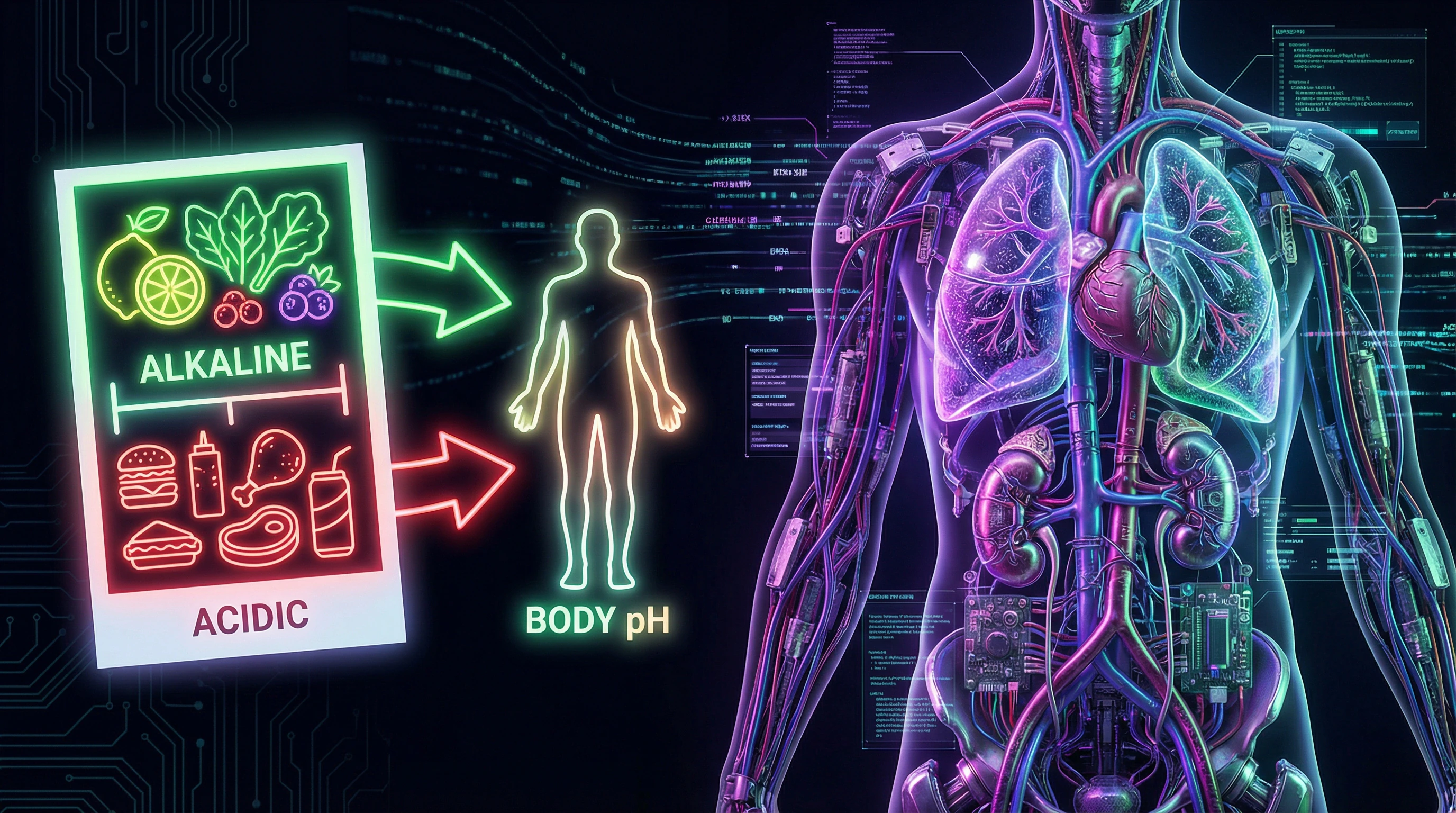
Steelman Arguments: Seven Most Convincing Cases for the Alkaline Diet — and Why They Work in Practice
Before dissecting the logical flaws in the alkaline diet, we must honestly examine its strengths. The Steelman approach requires presenting the opponent's arguments in their most convincing form — and the alkaline diet does have real benefits, though they don't work through the mechanisms its promoters claim. More details in the Fake Diagnostics section.
| Argument | What Proponents Claim | What Actually Happens |
|---|---|---|
| 1. Improved Well-Being | Body restores pH balance | Shift from processed foods to vegetables, fruits, whole grains |
| 2. Protective Nutrients | Alkaline foods heal | High intake of fiber, antioxidants, vitamins, phytonutrients |
| 3. Elimination of Harmful Foods | Acidic foods acidify the body | Reduction of processed meat, refined carbs, trans fats, sugar |
| 4. Measurable Results | pH strips prove the effect | Urine pH changes (reflects kidney function, not health) |
| 5. Dietary Structure | Food classification system | Reduced cognitive load, avoidance of impulsive decisions |
| 6. Comprehensive Changes | Diet heals | Simultaneous increase in activity, improved sleep, hydration, stress management |
| 7. Scientific Appearance | Based on acid-base balance | Truthful details assembled into false causal chain |
✅ First Argument: People Actually Experience Improved Well-Being
This isn't fabrication or pure placebo. Thousands of people report genuine improvements in energy, digestion, sleep quality, and overall well-being when switching to an alkaline diet.
The problem isn't that improvement doesn't occur — the problem is in explaining the mechanism. When someone transitions from a diet rich in processed foods, sugar, and saturated fats to one high in vegetables, fruits, whole grains, and legumes, improvement is inevitable — but not because of changes in blood pH.
✅ Second Argument: The Diet Automatically Increases Intake of Protective Nutrients
Alkaline diet recommendations align with basic principles of healthy eating: "experts recommend consuming three servings of vegetables and fruits daily, plus two handfuls of fruit — ideally seasonal produce" (S004).
Such a diet automatically ensures high intake of fiber, antioxidants, vitamins, minerals, and phytonutrients. This is objectively beneficial for health, regardless of pH theories.
✅ Third Argument: The Diet Reduces Consumption of Problematic Foods
The alkaline diet automatically limits or eliminates foods that are genuinely linked to increased risk of chronic diseases when consumed excessively: processed meat, refined carbohydrates, added sugar, trans fats.
Even if the acidification theory is wrong, reducing these foods provides real benefits through entirely different mechanisms — reduced inflammation, improved insulin sensitivity, normalized lipid profile.
✅ Fourth Argument: Urine pH Actually Changes, Creating an Illusion of Control
This is a powerful psychological factor. A person can buy pH strips, measure urine acidity, change their diet, and watch the readings shift toward alkaline.
The problem is that urine pH doesn't reflect blood pH and isn't a health indicator — it's simply a reflection of the kidneys' work in excreting excess acids or bases. But for someone seeking concrete measurable results, this works as a powerful motivator.
✅ Fifth Argument: The Diet Creates Structure and Mindfulness in Eating
Any diet with clear rules helps people who previously ate chaotically. The alkaline diet provides a simple food classification system, lists of allowed and forbidden foods, recipes, and meal plans.
This reduces cognitive load when choosing food and helps avoid impulsive decisions. Structure itself is valuable, regardless of whether the underlying theory is correct.
✅ Sixth Argument: The Diet Often Accompanies Other Healthy Changes
People who seriously commit to the alkaline diet typically simultaneously start moving more, sleeping better, drinking more water, and reducing stress.
The diet becomes a trigger for comprehensive lifestyle change. Health improvement results from the entire complex of changes, but the person attributes it to the diet, creating powerful subjective confirmation of its effectiveness.
✅ Seventh Argument: The Diet Uses Real Science About Acid-Base Balance, But in Distorted Form
This makes it especially convincing. Acid-base balance is a real and important physiological system. Acidosis and alkalosis are real pathological conditions. The kidneys do excrete acids.
The problem is that diet proponents take these real facts and construct a false causal chain from them, ignoring the body's powerful regulatory mechanisms. This is a classic example of how truthful details assemble into a false picture.
Physiology vs. Marketing: How the Body Actually Regulates Blood pH — and Why Diet Has Nothing to Do With It
The human body maintains blood pH in the range of 7.35–7.45 with precision that is critical for survival. A deviation of even 0.1 units causes serious symptoms; a deviation of 0.4 units can be lethal. More details in the section Psychosomatics Explains Everything.
This is basic physiology found in any biochemistry textbook. The idea that eating a steak can "acidify" the body ignores the mechanisms that maintain this stability.
🔬 Three Lines of Defense: Buffer Systems, Lungs, and Kidneys
The body uses three levels of blood pH defense, each operating at its own speed.
- Blood buffer systems (bicarbonate, phosphate, protein) instantly neutralize excess acids or bases — chemical defense in seconds.
- Respiratory system regulates carbon dioxide elimination through changes in breathing rate and depth — physiological defense in minutes.
- Kidneys regulate hydrogen ion excretion and bicarbonate reabsorption — metabolic defense over hours and days.
During intense physical exercise, muscles produce lactic acid in quantities that could theoretically shift blood pH by several units. But this doesn't happen: buffer systems neutralize the acid, breathing increases to eliminate CO₂, and pH remains stable.
🧬 Metabolic Acidosis: Real Pathology, Not a Result of Diet
True metabolic acidosis is a serious medical condition that occurs with kidney failure, diabetic ketoacidosis, severe diarrhea, or poisoning. It's diagnosed by blood gas analysis (not urine), has clear criteria, and requires immediate treatment.
The concept of "subclinical acidosis" or "chronic low-grade acidification" promoted by alkaline diet advocates has no clear diagnostic criteria and is not recognized in medical literature. This is an invented category that allows declaring healthy people sick.
A person with true acidosis won't be looking for a dietary solution — they'll be in the hospital. If you're reading about "acidification" in a wellness context, you're dealing with marketing, not medicine.
📊 What Research Shows: No Link Between Diet and Blood pH in Healthy People
Systematic reviews find no evidence that normal diet can significantly alter blood pH in people with healthy kidneys and lungs. Diet affects the acid load on kidneys (measured by PRAL — potential renal acid load) and is reflected in urine pH, but kidneys handle this load by excreting excess acids.
Some studies link high acid load with increased risk of osteoporosis and kidney stones. But the mechanism here isn't changing blood pH — it's long-term adaptations of kidneys and bone tissue to chronic acid load.
| What the myth says | What actually happens |
|---|---|
| Acidic food "acidifies" the blood | Blood pH remains 7.35–7.45 regardless of diet; buffer systems neutralize acids in seconds |
| Alkaline diet restores balance | Healthy kidneys and lungs maintain balance automatically; diet cannot change this |
| Acidic urine = body acidification | Acidic urine = kidneys excreting excess acids, protecting blood pH. This is normal and healthy |
| Need to measure urine pH for diagnosis | Urine pH varies from 4.5 to 8.0 throughout the day in healthy people; it's not a health indicator |
🧾 Why Urine pH Isn't a Health Indicator: Debunking a Popular Misconception
Urine pH can vary from 4.5 to 8.0 throughout the day in a completely healthy person. This is normal. Urine is the body's way of eliminating excess acids or bases to maintain blood pH stability.
Acidic urine after a meat dinner doesn't mean "body acidification" — it means the kidneys are doing their job excellently, excreting excess acids and protecting blood pH.
Measuring urine pH can be useful in diagnosing certain conditions (urinary tract infections, kidney stones, some metabolic disorders), but it's a specific medical tool. Using pH strips for self-diagnosis of "acidification" is a classic example of how a real medical test is misused to create the illusion of a problem.
This is where alkaline diet marketing finds its perfect entry point: it takes a real test, reinterprets its results, and offers a solution to a problem that doesn't exist.

Causation vs. Correlation: Why People Feel Better on Alkaline Diets — Real Mechanisms Without pH Magic
If the acidification theory is wrong, why do people experience real improvements? The answer lies in understanding the difference between correlation and causation. The alkaline diet correlates with health improvements, but the cause isn't blood pH changes. Learn more in the Statistics and Probability Theory section.
🔁 Mechanism One: Dramatic Increase in Fiber and Phytonutrient Intake
Switching to a diet high in vegetables and fruits means a multifold increase in fiber consumption. Fiber improves digestion, normalizes gut microbiome, slows sugar absorption, and increases satiety.
Phytonutrients (polyphenols, carotenoids, flavonoids) have antioxidant and anti-inflammatory properties. Low-grade chronic inflammation is linked to fatigue, pain, and cognitive impairment.
Reducing inflammation through a plant-rich diet explains many subjective improvements — with no connection to pH whatsoever.
🔁 Mechanism Two: Reduced Consumption of Processed Foods and Added Sugar
The alkaline diet automatically eliminates most processed foods containing excess salt, sugar, saturated fats, and various additives. Reducing these foods improves insulin sensitivity, decreases fluid retention, and stabilizes blood sugar levels.
- Improved energy and mood stability
- Reduced swelling and weight normalization
- Restored insulin sensitivity
🔁 Mechanism Three: Increased Potassium and Magnesium Intake
Vegetables and fruits are rich sources of potassium and magnesium. Deficiencies in these minerals are common in Western diets and are associated with fatigue, muscle cramps, sleep disturbances, and elevated blood pressure.
| Mineral | Deficiency Causes | Normalization Improves |
|---|---|---|
| Potassium | Muscle cramps, arrhythmia, weakness | Muscle tone, heart rhythm |
| Magnesium | Insomnia, anxiety, cramps | Sleep quality, relaxation |
Interestingly, these very minerals participate in the body's buffer systems — but their effect is realized not through changing blood pH, but through normalizing cellular metabolism.
🔁 Mechanism Four: Psychological Effect of Structure and Control
When someone takes control of their eating, follows a clear plan, and sees measurable results (even if it's just urine pH), this reduces stress and increases self-efficacy. Stress reduction itself improves sleep, digestion, and immune function.
This is a real physiological effect of psychological intervention — a mechanism that works regardless of whether the diet's underlying theory is correct.
People feel better because the diet genuinely changes their nutrition, microbiome, mineral levels, and stress. But this happens despite the pH theory, not because of it. The alkaline diet works as healthy eating, not as a pH regulator.
Conflicts and Uncertainties: Where Sources Diverge and Why This Matters for Understanding the Full Picture
Analysis of sources reveals a paradox: virtually all acknowledge that people feel better on an alkaline diet, but explanations diverge dramatically. Promoters attribute the effect to pH, critics point to other mechanisms. More details in the Reality Check section.
First Conflict: Can Diet Affect Blood pH
Sources promoting the diet claim that "there is a connection between nutrition and acid-base balance in the body" (S004), but don't specify—blood or urine. Critical sources draw this distinction clearly: diet affects urine pH, but not blood pH in healthy individuals.
This isn't a terminological difference—it's a fundamental distinction in understanding physiology. One claim is testable, the other is not.
Second Conflict: Does "Subclinical Acidification" Exist
Promoters operate with the concept of chronic low-grade acidification, allegedly undetectable by standard tests but causing symptoms. Critics call this an invented category without clear criteria.
The trap mechanism is simple: absence of diagnostic criteria makes the concept unfalsifiable. Any symptom is attributed to "acidification," absence of changes in tests is explained by the "subclinical" nature.
| Position | Claim | Testability |
|---|---|---|
| Promoters | Chronic acidification exists but isn't visible in tests | Unfalsifiable |
| Critics | Blood pH is regulated by buffer systems independent of diet | Testable, confirmed |
Third Conflict: Is the Diet Beneficial If the Theory Is Wrong
Even critics acknowledge practical benefits: "this will definitely be beneficial in terms of high vitamin content, fiber, and the right approach to organizing nutrition in general" (S005). But they emphasize—the benefit is achieved not through the claimed pH mechanism.
An ethical dilemma arises: is it acceptable to promote a diet based on false theory if the practical result is positive? Detailed analysis of mechanisms shows the answer depends on context—for a healthy person the risk is minimal, for a patient with kidney failure or osteoporosis the recommendation could be dangerous.
- Why This Matters
- When theory is wrong but results are positive, there's temptation to ignore the error. This is dangerous: false theory can lead to incorrect conclusions in other contexts or for other groups of people.
- Where Sources Are Silent
- Neither promoters nor critics discuss in sufficient detail why people feel better. This leaves room for speculation and allows both sides to fill the gap with their own narrative.
Cognitive Anatomy of the Myth: What Psychological Triggers Make the Acidification Theory So Convincing
The body acidification myth is a textbook example of how cognitive biases make false theories convincing. The mechanisms operate at the level of perception and thinking, not facts. More details in the Space and Earth section.
⚠️ Trigger One: Illusion of Understanding Through Simple Metaphor
"Acidification" and "alkalinization" are intuitively understandable metaphors. Acid corrodes, alkali neutralizes. This simplicity creates an illusion of understanding: it seems we already know the answer before examining the details.
The brain stops at the first explanation that "sounds logical." Further verification isn't required—the metaphor has already done its work.
- Hear the metaphor → feel recognition
- Recognition → sense of competence
- Competence → abandonment of criticism
⚠️ Trigger Two: Confirmation Through Selective Attention
A person on an alkaline diet notices improvements (energy, skin, digestion) and attributes them to pH balance. They don't notice that they simultaneously changed their routine, added vegetables, drank more water.
The brain seeks evidence for hypotheses it has already accepted. Contradictions simply don't enter the field of vision.
⚠️ Trigger Three: Authority and Social Proof
When a celebrity or "expert" talks about the alkaline diet, it works on two levels: authority (they're successful, so they must know) and social proof (if many people do it, it must be true).
Scientific objections sound less convincing than a real person's success story. Emotion defeats statistics.
| Information Source | Why It Seems Convincing | Cognitive Mechanism |
|---|---|---|
| Celebrity on Instagram | Visible result, personal story | Authority + emotional connection |
| Scientific article | Methodology, numbers, caution | Requires effort to understand |
⚠️ Trigger Four: Control and Sense of Action
The alkaline diet provides an illusion of control: "I know what to do. I'm taking action." This is psychologically more powerful than "do nothing, your body regulates everything itself."
Action (even incorrect action) is psychologically more comfortable than passivity. The myth offers a solution, while science offers uncertainty.
⚠️ Trigger Five: Narrative Versus Mechanism
"I drank alkaline water—and I felt better"—this is a story. Stories are remembered and shared. "Blood pH is regulated by buffer systems independent of diet"—this is a mechanism. Mechanisms require knowledge of chemistry.
The brain evolved on stories, not equations. Narrative always wins the battle for attention.
The myth prevails not because it's true, but because it's better integrated into the architecture of human thinking.
Understanding these triggers is the first step toward critical analysis of the alkaline diet and protection against similar myths in other areas.