 🧹 Detox and Body Cleanses
Detox and Toxins: Separating Medical Science from Marketing Mythsλ
Your body has powerful detoxification systems — liver, kidneys, lymph work continuously. Learn when detox is truly needed, and when it's just an expensive placebo.
Overview
The detox industry promises to cleanse the body of "waste" and "toxins," but medical science doesn't recognize these terms. A healthy liver and kidneys continuously eliminate metabolic byproducts—an evolutionarily refined mechanism that requires no special teas or fasting. However, real environmental toxins—heavy metals, pesticides, mold mycotoxins—do accumulate and require medical intervention. The key distinction: scientific detoxification works with specific measurable substances, while commercial detox trades in vague promises.
🛡️ Laplace Protocol: If a seller cannot name the specific toxin being removed and doesn't offer laboratory tests before and after—it's pseudoscience. Real detoxification begins with diagnosis, not with purchasing supplements.
Reference Protocol
Scientific Foundation
Evidence-based framework for critical analysis
Navigation Matrix
Subsections
[alkaline-diet]
Alkaline Diet
A celebrity-favorite dietary approach based on balancing alkaline and acidic foods in an 80/20 ratio to maintain optimal body pH
Explore
[detox-cleanses]
Detox and Body Cleanses
A healthy body doesn't need detox — the liver, kidneys, and digestive system continuously eliminate metabolic waste without external intervention, and commercial cleansing programs lack scientific evidence.
Explore
Protocol: Evaluation
Test Yourself
Quizzes on this topic coming soon
Sector L1
Articles
Research materials, essays, and deep dives into critical thinking mechanisms.
🧹 Detox and Body Cleanses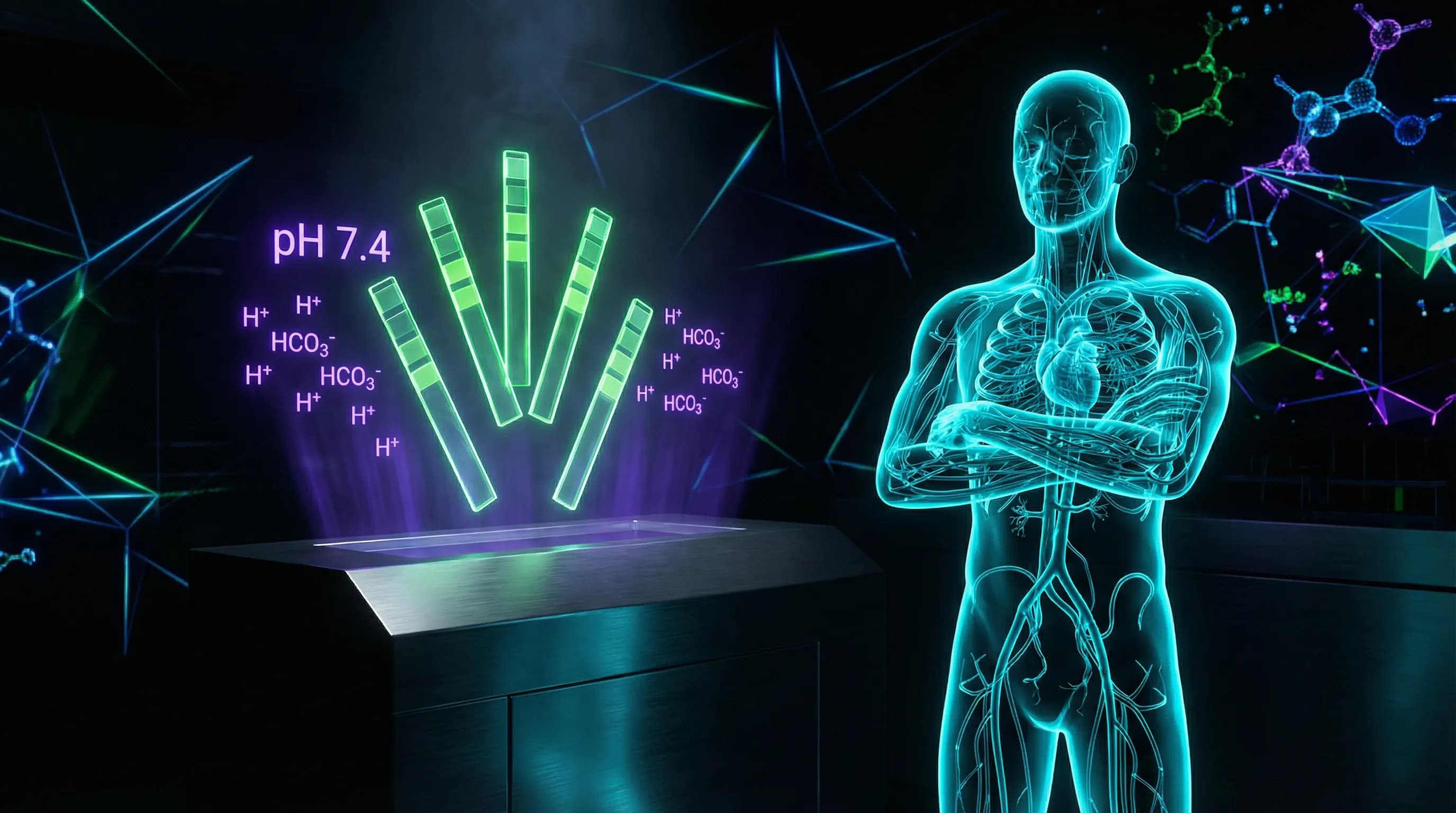 🥗 Alkaline Diet
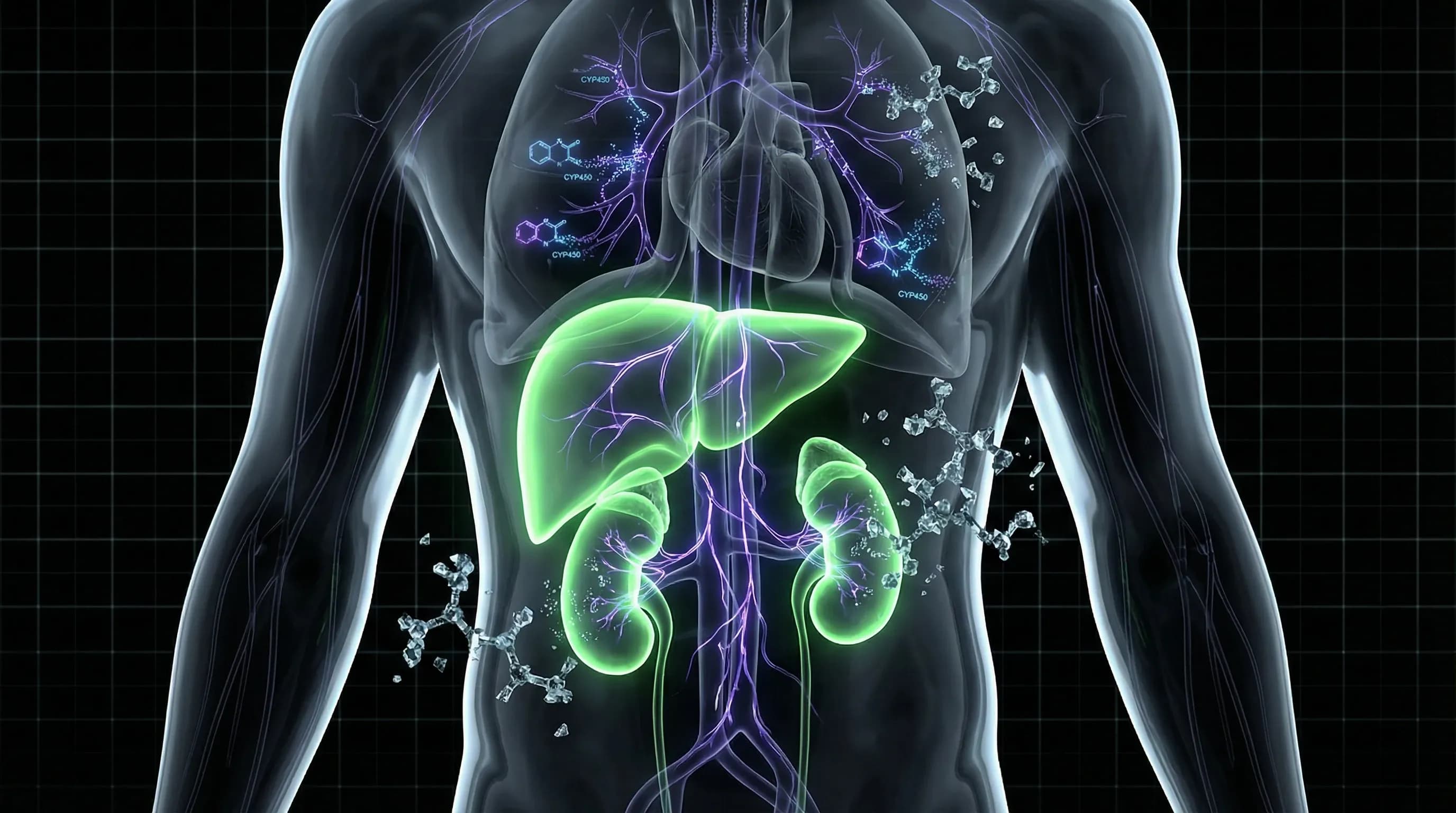 🧹 Detox and Body Cleanses
 🥗 Alkaline Diet
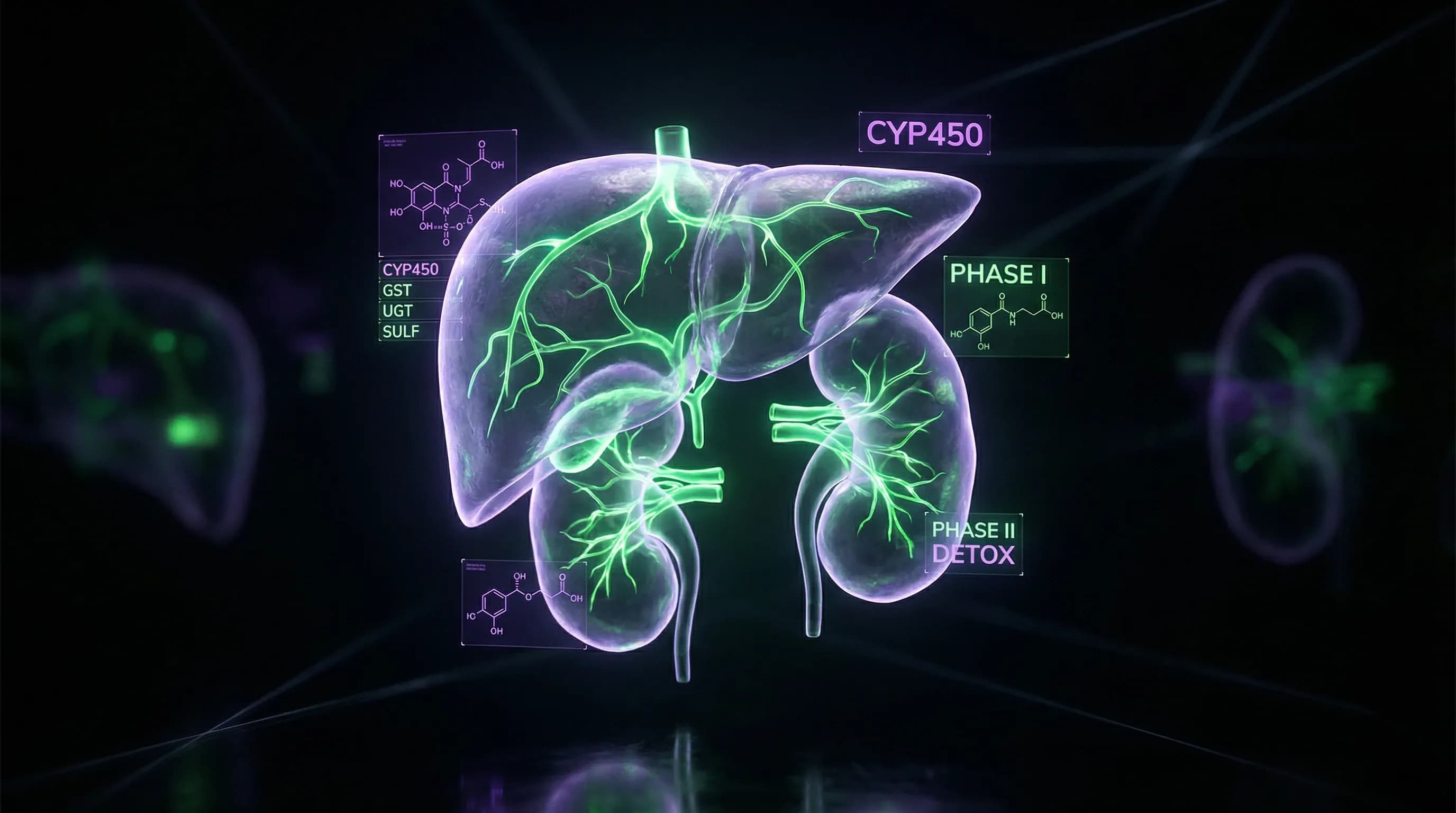 🧹 Detox and Body Cleanses
⚡
Deep Dive
What Are "Toxins" and Why This Term Doesn't Appear in Any Medical Textbook
The term "toxins" in detox marketing comes from metallurgy, where it refers to waste products from ore smelting. In human physiology, this concept has no correspondence—neither in anatomical atlases nor in biochemistry textbooks.
In English-speaking markets, the word is actively used by marketers to promote detox products. A healthy body continuously eliminates metabolic waste through the liver, kidneys, intestines, lungs, and skin—no special "cleanses" required.
If metabolic waste actually accumulated without elimination, a person would die from intoxication within days, as occurs with acute kidney or liver failure.
Origins of the Toxin Myth in Popular Culture
The concept of accumulating undefined "toxins" emerged at the intersection of alternative medicine and commercial interests in the late 20th century. Pseudoscientific sources claim that "pollutants" supposedly accumulate in the body, causing fatigue, excess weight, and disease.
No clinical study has confirmed the existence of such deposits in healthy individuals. The myth exploits natural health concerns and offers a simple solution—buy detox tea or undergo a fasting regimen.
- How the Myth Works
- The vagueness of the term "toxins" allows any symptoms (fatigue, skin problems, excess weight) to be attributed to it, then offers a product as the solution. The absence of a scientific definition is the marketing's greatest advantage.
How the Body's Natural Detoxification Systems Work
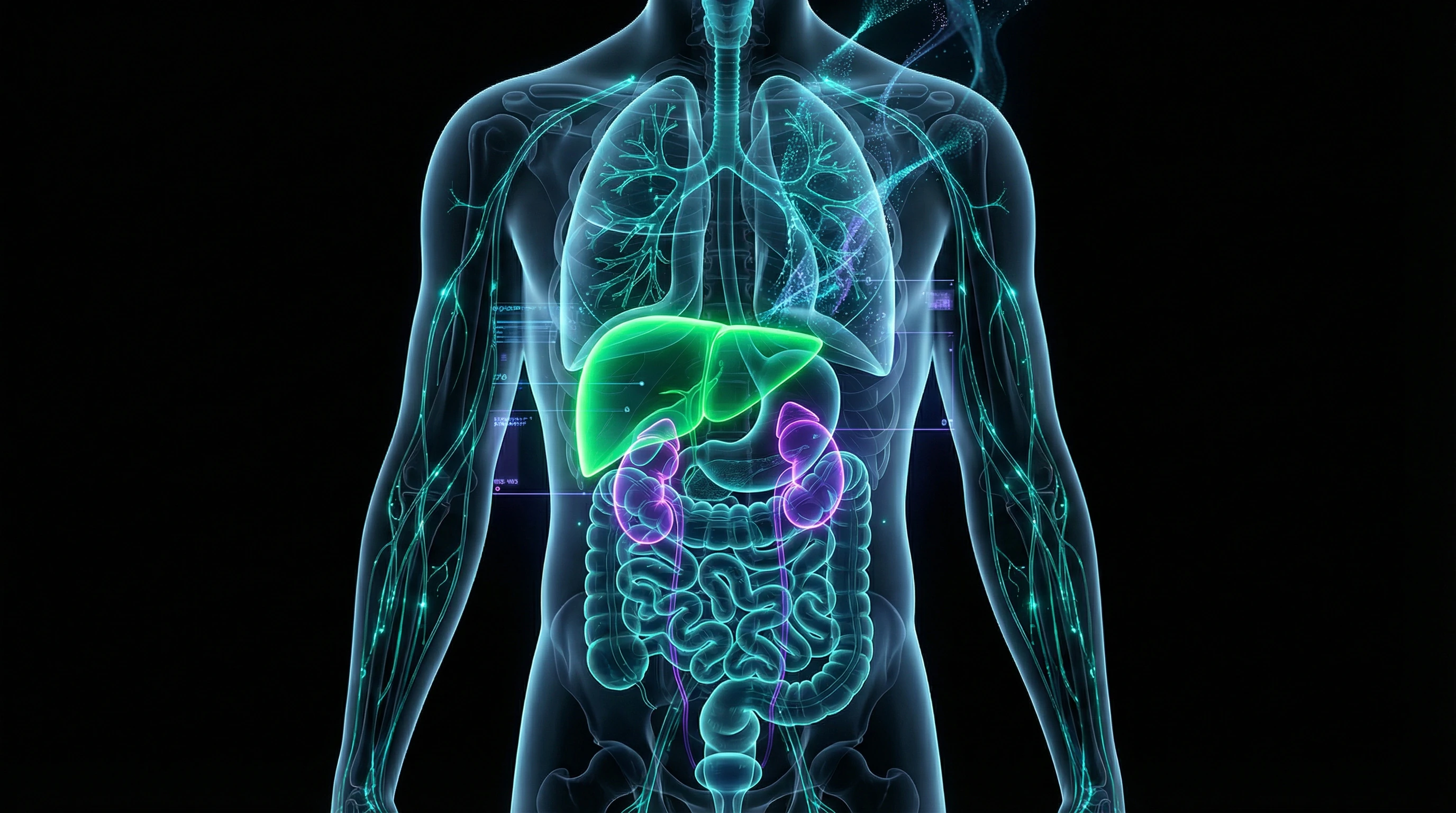
The liver performs detoxification in two phases: Phase I oxidizes fat-soluble substances, Phase II makes them water-soluble for elimination. It processes everything—from alcohol to medications and hormones.
| Organ/System | Function | Capacity |
|---|---|---|
| Kidneys | Blood filtration, removal of nitrogenous waste | ~47 gallons per day |
| Intestines | Elimination of undigested residue and bilirubin | Continuous |
| Lymphatic system | Collection of intercellular fluid with toxins | Parallel to circulation |
| Lungs | Removal of carbon dioxide and volatile compounds | With every breath |
These systems work around the clock without breaks and don't need "rebooting" with detox diets if the organs are healthy.
Five Major Detox Myths and What Science Says
The Myth of Toxin Accumulation in Healthy Bodies
The popular claim that "toxins accumulate over years and cause disease" has no physiological basis for people with normally functioning excretory organs. If metabolic waste actually deposited in tissues, it would be visible on biopsies, blood tests, or imaging studies — but such findings don't exist in healthy individuals.
Fatigue, headaches, and skin problems attributed to "toxic buildup" have specific medical causes: vitamin deficiencies, hormonal imbalances, sleep deprivation, dehydration.
- Check blood work and liver/kidney function before any detox protocol
- If results are normal — "toxic buildup" is ruled out
- Look for a specific diagnosis (anemia, hypothyroidism, magnesium deficiency), not general "intoxication"
The only exception — actual exposure to heavy metals or industrial toxins, which is diagnosed through lab testing and treated with specific protocols.
The Myth of Detox Products and Teas as Necessities
Systematic reviews show that commercial detox supplements, teas, and dietary supplements demonstrate no measurable effect on toxin elimination or liver function improvement in healthy people. Most contain diuretic or laxative components that create an illusion of "cleansing" through increased urination or defecation — this is merely water loss, not toxin removal.
Prolonged fasting depletes glycogen and protein stores. Extreme enemas disrupt the gut microbiome. Excess of certain herbs overburdens the liver. Commercial detox is often more dangerous than no treatment at all.
If your liver and kidneys are healthy, drinking water, eating fiber, and avoiding excess alcohol is sufficient — this is more effective than any detox cocktail.

When Detoxification Is Actually Needed: Real Toxins and Medical Protocols
Heavy Metals and Occupational Hazards
Lead, mercury, cadmium, and arsenic are real toxins that accumulate with chronic exposure and cause neurological, renal, and cardiovascular disorders. Exposure sources include contaminated water, occupational hazards (welding, battery manufacturing), old paint, and fish from polluted waters.
Diagnosis involves blood, urine, or hair analysis. Medical chelation therapy (EDTA, DMSA, DMPS) binds and removes metals, but only under physician supervision after laboratory confirmation of intoxication.
Self-administered "detox" without diagnosis is useless and dangerous: chelators also remove essential minerals (zinc, copper, iron), creating deficiency instead of treatment.
Mold Mycotoxins and Persistent Pollutants
Mycotoxins from mold in damp buildings or contaminated food cause chronic inflammatory reactions, fatigue, and cognitive impairment in sensitive individuals. Persistent organic pollutants (POPs)—pesticides, dioxins, polychlorinated biphenyls—accumulate in adipose tissue and are linked to endocrine disruption and increased cancer risk.
- Confirm exposure through specialized testing (blood analysis, tissue biopsy, environmental assessment)
- Infrared sauna—elimination of lipophilic toxins through sweat with confirmed exposure
- N-acetylcysteine—glutathione support (liver antioxidant) under medical supervision
- Activated charcoal, chlorella—toxin binding in GI tract with confirmed exposure
These interventions only make sense with confirmed exposure, not as prevention in healthy people without exposure. Commercial programs often offer these protocols indiscriminately, ignoring the absence of diagnosis and individual indications.
Evidence-Based Support for Natural Detoxification: What Works Without Marketing
Instead of commercial "cleanses," scientific medicine offers strategies that enhance the body's own detoxification systems. The liver performs over 500 functions, including two-phase detoxification: phase I (cytochrome P450) oxidizes toxins, phase II conjugates them for elimination.
Supporting these processes through nutrition is more effective than any supplements.
Nutrition for Liver Health: Nutrients Instead of Detox Teas
Glutathione—the liver's primary antioxidant—is synthesized from cysteine, glutamate, and glycine. N-acetylcysteine (NAC) increases glutathione levels and is used in toxicology for acetaminophen overdose.
| Nutrient | Source | Mechanism |
|---|---|---|
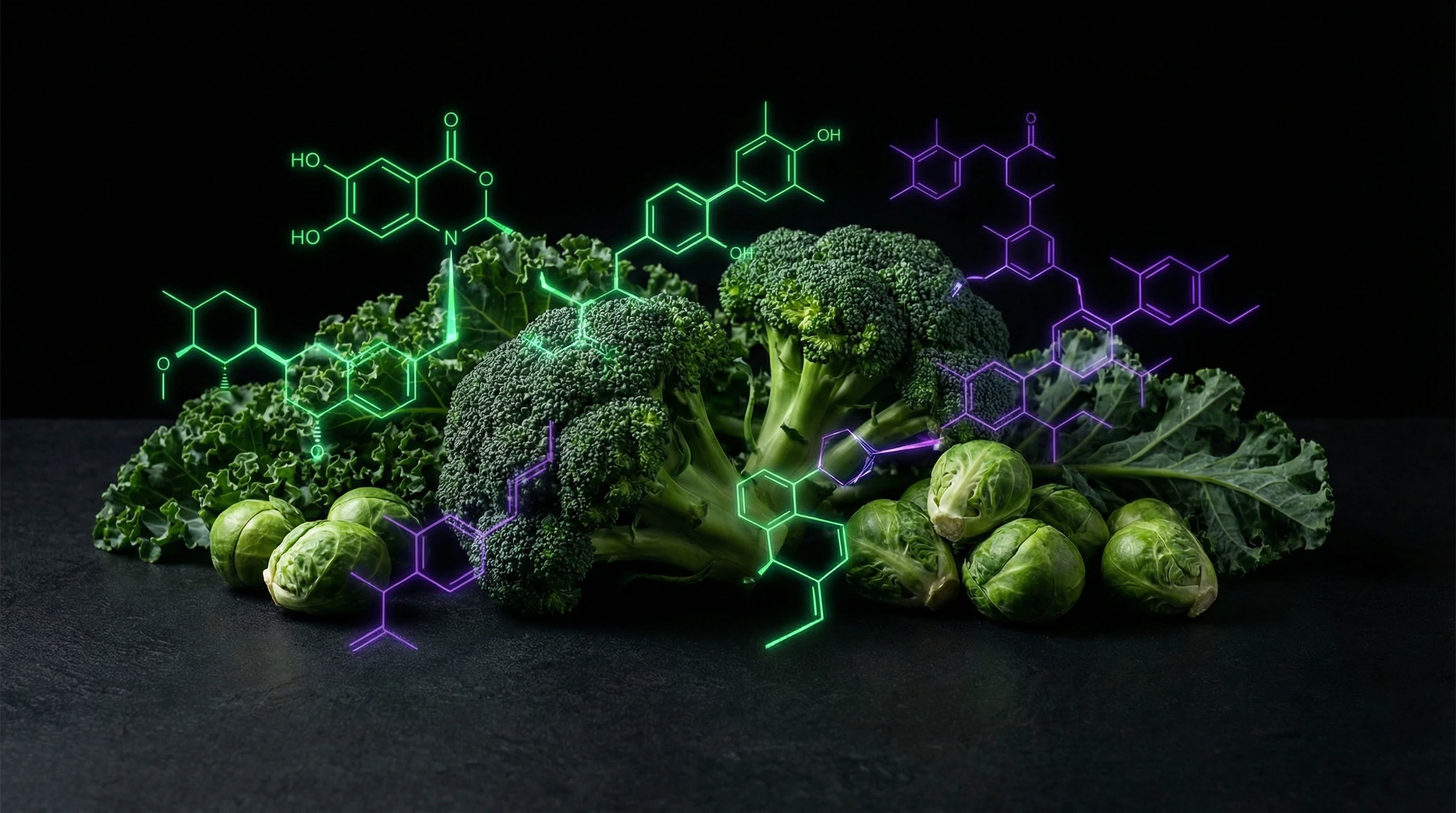
| Sulforaphane | Broccoli, cabbage | Activates phase II enzymes via Nrf2 pathway |
| Fiber | Vegetables, whole grains | Binds bile acids, eliminates metabolites (25–30 g/day) |
| Omega-3 | Fish, flaxseed oil | Reduces liver inflammation, improves function in NAFLD |
| Curcumin, silymarin | Turmeric, milk thistle | Hepatoprotective effects in clinical studies |
These substances support the liver but don't "remove toxins"—they enhance its natural processes.
The Role of Hydration and Physical Activity in Natural Elimination
The kidneys filter 180 liters of blood daily, removing water-soluble waste through urine. Adequate hydration (30–35 ml/kg body weight) maintains glomerular filtration rate and prevents toxin concentration.
- Dehydration reduces detoxification capacity by 20–30%, slowing metabolite elimination.
- Physical activity enhances lymph flow (the lymphatic system has no pump—movement is the only driver), improves circulation to liver and kidneys, and stimulates sweating.
- Sauna therapy demonstrates elimination of heavy metals (lead, cadmium, mercury) and BPA through sweat in controlled studies—the only "detox" with an evidence base for healthy individuals. Requires regularity (3–4 times/week) and medical supervision with chronic conditions.
Dangers of Commercial Detox Programs: From Nutrient Deficiencies to Financial Losses
The detox industry is valued at $50+ billion globally, but most products don't undergo clinical trials and aren't regulated as medications. Extreme programs create real health risks while masquerading as "natural cleansing."
Extreme Diets and Nutrient Deficiencies: The Price of "Purity"
Juice detoxes (3–7 days on juices only) deprive the body of protein, fats, and fiber—macronutrients essential for detoxification. Protein deficiency reduces glutathione synthesis and phase II enzymes, paradoxically impairing the liver's ability to neutralize toxins.
Weight loss on detoxes is predominantly water and muscle mass. Fat returns after resuming normal eating.
Laxative teas (senna, cascara) cause electrolyte imbalance, dehydration, and bowel dependence on stimulation. Enemas and colon hydrotherapy disrupt the microbiome, can perforate the intestine (rare but documented), and have no proven benefit for "eliminating toxins."
Activated charcoal in detox products binds not only "toxins" but also medications, vitamins, and minerals—reducing their bioavailability.
Financial and Medical Risks: When Detox Becomes Dangerous
- Financial Losses
- $50–$5,000+ per program with no efficacy guarantees. Money spent, zero results.
- Delayed Treatment
- Replacing medical therapy with "natural cleansing" leads to progression of diabetes, hypertension, and cancer.
- Product Contamination
- FDA found heavy metals and banned stimulants in 20% of tested samples. Poisoning instead of detoxification.
- Drug Interactions
- St. John's wort reduces effectiveness of contraceptives and antidepressants, eliminating therapeutic benefits.
- Cardiovascular Complications
- Extreme fasting triggers orthostatic hypotension and arrhythmias. Risk of fainting and heart attack, especially with underlying conditions.
Herbal blends in detox programs can cause hepatotoxicity—liver damage that paradoxically contradicts the stated goal of "cleansing."
How to Distinguish Science from Pseudoscience: A Critical Thinking Checklist Before Detox
Protection from detox myths requires skills in evaluating medical claims. Pseudoscience uses recognizable patterns: vague terminology, absence of measurable results, appeals to "naturalness" instead of evidence.
Questions to Ask Before Any Detox Program
- Which specific toxin is being eliminated? If the answer is "toxins," "impurities in general"—red flag. Legitimate detoxification names the substance (lead, mercury, aflatoxin).
- How is the result measured? Demand laboratory tests before/after. "Improved well-being" is subjective and explained by placebo effect (30-40% in studies).
- Are there peer-reviewed studies? Check PubMed, Cochrane Library. Instagram testimonials don't replace clinical trials.
- Who recommends the program? Toxicologist, hepatologist—yes. "Health coach" without medical training—no.
- What are the risks and contraindications? If a program is "safe for everyone"—that's false. Any intervention has limitations.
Absence of specific toxin identification, measurable results, and peer-reviewed data—the triad of pseudomedicine. If even one element is missing, the program fails verification.
When to See a Doctor: Real Indications for Medical Detoxification
Toxicologist consultation is necessary with documented exposure: work with heavy metals, residence in industrial pollution zones, mold exposure with symptoms. Chronic intoxication symptoms are nonspecific (fatigue, headaches, cognitive impairment) and require differential diagnosis—they may indicate dozens of conditions unrelated to toxins.
| Indication | Diagnostics | Protocol |
|---|---|---|
| Documented metal exposure | Hair analysis, urinary organic acids, provocation tests | DMSA/EDTA chelation under physician supervision |
| Mycotoxin exposure | Glutathione test, inflammation biomarkers | Binding agents + nutritional support |
| No confirmed exposure | Not required | Support natural systems: nutrition, hydration, movement |
Self-treatment with chelators is dangerous—they also remove essential minerals (zinc, magnesium), causing deficiencies. Medical detoxification is not indicated for healthy individuals without confirmed exposure.

Knowledge Access Protocol
FAQ
Frequently Asked Questions
"Toxin buildup" or "waste accumulation" is a pseudoscientific term without medical definition, borrowed from industrial metallurgy. This concept does not exist in scientific literature or physiology textbooks. A healthy body continuously eliminates metabolic byproducts through the liver, kidneys, intestines, and skin without accumulating "waste."
A healthy person does not require special detoxification—the body handles this automatically. The liver and kidneys evolved to continuously cleanse blood of toxins. Detox programs lack scientific evidence of effectiveness for people without diagnosed poisoning or liver disease.
Most detox teas and supplements lack proven effectiveness. Research does not confirm their ability to "eliminate toxins" or improve liver function in healthy individuals. Often these are marketing tactics with inflated prices and vague promises without specific measurable results.
Real dangers come from heavy metals (lead, mercury, cadmium), industrial pollutants, and mold mycotoxins. These substances can be detected through laboratory analysis of blood, urine, or hair. Their accumulation requires medical intervention, not commercial detox programs.
The liver works in two phases: first, cytochrome P450 enzymes modify toxins, then they bind with glutathione or other molecules for elimination. This process occurs 24/7 and processes up to 1.5 liters of blood per minute. A healthy liver does not need external "cleansing."
You can support natural detoxification through healthy lifestyle choices: adequate water intake, fiber, cruciferous vegetables, and protein. Physical activity improves circulation and lymphatic flow. Special "detox accelerators" from advertisements lack scientific basis.
Short-term fasting can trigger autophagy—a cellular "cleanup" process, but this is unrelated to eliminating mythical "waste buildup." Prolonged fasting risks nutrient deficiency and can impair liver function. Detoxification occurs with normal eating, not its absence.
To assess toxic load, use blood tests for heavy metals, urine tests for organic pollutants, and hair mineral analysis. Liver function tests (ALT, AST, bilirubin) show its performance. "General toxicity tests" do not exist—this is marketing fiction.
Extreme detox diets can cause protein, vitamin, and mineral deficiencies, especially with prolonged use. Severe calorie restriction disrupts metabolism and can damage the liver instead of "cleansing" it. Some programs lead to dehydration and electrolyte imbalance.
Sauna does facilitate elimination of some toxins (heavy metals, BPA) through perspiration, as confirmed by research. However, primary detoxification still occurs through the liver and kidneys. Sauna is beneficial as a supplement but does not replace normal organ function.
Phase I (cytochrome P450) oxidizes toxins, making them reactive. Phase II conjugates them with glutathione, taurine, or glucuronic acid for safe elimination. An imbalance between phases is more dangerous than no detox at all — intermediate metabolites are more toxic than the original substances.
After alcohol, the liver recovers on its own when consumption stops and nutrition is adequate. You can support it with B vitamins, N-acetylcysteine, and sufficient protein. "Detox IV drips" at clinics are just rehydration and vitamins, not mystical cleansing.
The myth of "pounds of fecal stones" in the intestines has no anatomical confirmation. Colonoscopy shows that healthy people have clean intestines. Constipation is resolved with fiber and water, not aggressive "cleanses" that can disrupt the microbiome.
A scientific approach names specific toxins, offers laboratory tests, and references research. Pseudoscience uses vague terms ("toxins," "cleansing"), promises universal results, and sells expensive products. Verify sources in PubMed and consult with physicians.
Yes, especially programs with excessive protein, diuretic herbs, or prolonged fasting. Kidneys can suffer from dehydration, electrolyte imbalance, and overload from breakdown products. For people with chronic kidney disease, detox experiments are categorically contraindicated.
Yes, medical detoxification is used for proven poisonings: chelation therapy for metal poisoning, hemodialysis for kidney failure, antidotes for acute intoxications. These are strictly controlled protocols under toxicologist supervision, unrelated to commercial "detox programs."