 🌿 Folk Medicine vs Evidence-Based Medicine
Pseudomedicine: How to Recognize Unproven Treatment Methodsλ
A scientifically grounded approach to evaluating medical interventions that exist within the legal framework but lack evidence of effectiveness
Overview
Pseudomedicine refers to methods and supplements that operate within the legal framework, mimic scientific approaches, but fail to undergo rigorous efficacy testing. Older adults are particularly vulnerable 🧠: fear of cognitive decline makes them targets for unproven interventions. The key distinction from quackery is that pseudomedicine operates within the healthcare system, making it harder to identify.
🛡️
Laplace Protocol: Critical evaluation of medical claims requires analyzing evidence quality, the presence of randomized controlled trials, and recommendations from professional medical organizations—not relying on individual testimonials and marketing promises.
Reference Protocol
Scientific Foundation
Evidence-based framework for critical analysis
Navigation Matrix
Subsections
[alternative-oncology]
Alternative Oncology
An evidence-based examination of alternative approaches to cancer treatment, their risks, and how they differ from proven medical care
Explore
[detox-myths]
Detox Myths
Your body has powerful detoxification systems — liver, kidneys, lymph work continuously. Learn when detox is truly needed, and when it's just an expensive placebo.
Explore
[devices-diagnostics]
Medical Devices and Diagnostics
Specialized methodologies for assessing clinical and economic value of medical devices and diagnostic technologies for regulatory decisions and reimbursement
Explore
[essential-oils]
Essential Oils
Systematic reviews and meta-analyses confirm the therapeutic potential of essential oils for anxiety, pain, microbial infections, and neurological conditions
Explore
[extreme-diets]
Extreme Diets
Systematic analysis of extreme weight loss diets: from low-carb to intermittent fasting, their metabolic consequences and long-term safety
Explore
[folk-vs-evidence]
Folk Medicine vs. Evidence-Based Medicine
How systematic reviews and meta-analyses help separate effective folk remedies from myths and build a bridge between tradition and evidence-based medicine
Explore
[gut-parasites]
Intestinal Parasites and Microbiome
Evidence-based approach to understanding the connection between parasitic infections, microbiota composition, and functional digestive health
Explore
[pseudo-pharma]
Pseudo-Medicines and Counterfeits
Counterfeit medications and supplements masquerading as drugs pose a serious threat to health, especially during pandemics and crises
Explore
[psychosomatic-myths]
Psychosomatic Myths
Psychosomatic symptoms are real and require serious attention. Scientific evidence debunks common misconceptions about the mind-body connection.
Explore
[vaccine-myths]
Vaccine Myths
Comprehensive analysis of common vaccination misconceptions based on evidence-based medicine and WHO recommendations for public health protection
Explore
Protocol: Evaluation
Test Yourself
Fact Checks
View All Claims →Claims & Analysis
Sector L1
Articles
Research materials, essays, and deep dives into critical thinking mechanisms.
🌿 Folk Medicine vs Evidence-Based Medicine 🌿 Folk Medicine vs Evidence-Based Medicine
 🌿 Folk Medicine vs Evidence-Based Medicine
 🚫 Anti-Vaccine Movement
 🚫 Anti-Vaccine Movement
 🌿 Folk Medicine vs Evidence-Based Medicine
 🌿 Folk Medicine vs Evidence-Based Medicine
 📡 Bioresonance Therapy
 🌿 Folk Medicine vs Evidence-Based Medicine
 📡 Bioresonance Therapy
 💊 Miracle Supplements and Dietary Additives
 🚫 Anti-Vaccine Movement
⚡
Deep Dive
What is Pseudomedicine and How It Differs from Alternative Medicine
Pseudomedicine refers to medical interventions and supplements positioned as scientifically validated but lacking rigorous evidence of effectiveness. It masquerades as evidence-based medicine by using scientific terminology and formal attributes of medical practice.
Alternative medicine operates outside the traditional healthcare system. Pseudomedicine is integrated into it, creating an illusion of legitimacy — this is the key distinction.
| Characteristic | Alternative Medicine | Pseudomedicine |
|---|---|---|
| Positioning | Openly declares its nature | Presents itself as scientific medicine |
| Place in System | Outside official healthcare | Integrated into medical system |
| Source of Legitimacy | Tradition, experience, philosophy | Imitation of scientific method |
Mechanism Behind the Illusion of Benefit
The absence of side effects in ineffective methods facilitates the development of false beliefs about their benefits. Patients receive no negative feedback that could correct their perceptions.
The safer a pseudomedical intervention appears, the harder it becomes to recognize its ineffectiveness. A vicious cycle: absence of harm is interpreted as presence of benefit.
Prior beliefs strongly influence judgments about treatment effectiveness. People with certain predispositions are particularly vulnerable to such practices.
Key Indicators of Pseudomedicine
- Appeals to patients' fears and anxieties about health
- Promotes individual testimonials as established facts
- Advocates unproven therapeutic methods
- Creates artificial illusion of benefit while potentially enriching practitioners financially
Legal Gray Zone
Pseudomedicine operates in a space where legality of sale does not equate to proven effectiveness. Many dietary supplements marketed for brain health do not undergo rigorous safety and efficacy testing.
- Regulatory Approval
- Means permission to sell, but not the presence of scientific evidence for therapeutic action. Creates a false sense of security among consumers.
- Marketing Language
- Uses scientific-sounding terms without actual scientific support, creating an impression of legitimacy.

Psychological Mechanisms Behind Belief in Ineffective Treatments
The Role of Absent Side Effects in Forming Illusory Beliefs
The absence of negative consequences when using ineffective methods creates fertile ground for false beliefs about their benefits. When a patient experiences no side effects, they lose an important feedback signal that could indicate problems with the treatment.
This is especially dangerous with chronic conditions that have natural symptom fluctuations: temporary improvement is mistakenly attributed to pseudomedical intervention.
| Scenario | Trap Mechanism | Outcome |
|---|---|---|
| Symptoms improve while using the method | Natural remission attributed to the method | Reinforced belief in effectiveness |
| Discontinuation coincides with remission period | Temporal correlation perceived as causation | False causal relationship |
| Absence of side effects | No danger signal | Continued use without critical evaluation |
Cognitive Biases and Confirmation Bias
Confirmation bias causes people to interpret ambiguous results as confirmation of preexisting beliefs. Patients notice and remember instances of improvement while ignoring periods of deterioration or no change.
- Individual testimonials are perceived as more convincing due to emotional intensity, even though statistical data reflects reality more accurately.
- Chronic conditions have cycles of improvement and deterioration independent of treatment—coincidence with method application creates an illusion of causality.
- Expectation of improvement activates real physiological placebo mechanisms, but this doesn't mean the method itself works.
Education and intelligence don't protect against belief in ineffective methods—cognitive biases operate at all levels. Preexisting beliefs exert powerful influence on judgments about treatment effectiveness, making people with certain predispositions especially susceptible to pseudomedical claims.
Systematic reviews demonstrate minimal or absent evidence supporting many supplements and interventions promoted for cognitive enhancement or dementia prevention.
Pseudomedicine in the Context of Brain Health and Dementia
Rise of Unproven Treatments for Cognitive Decline
Recent research documents significant growth in pseudomedicine targeting brain health and dementia prevention. This includes dietary supplements, intravenous nutrition, detoxification, and stem cell therapy—methods claiming ability to prevent or reverse dementia.
Systematic reviews show: most brain health supplements lack evidence of effectiveness against cognitive decline. Uninsured interventions like intravenous nutrition or stem cells are often expensive but lack scientific foundation.
High price doesn't correlate with effectiveness—this is marketing's primary trap. Expensive methods create an illusion of exclusivity, though price reflects sales strategy rather than scientific validity.
Vulnerable Groups and Targeting Mechanisms
Brain pseudomedicine specifically targets older adults, caregivers of dementia patients, people with mild cognitive impairment, and those seeking prevention. These groups are susceptible due to fear of dementia, absence of effective methods in conventional medicine, and desire to maintain control.
Marketing strategies exploit these fears by promoting "secret" or "breakthrough" methods supposedly unknown to conventional medicine, and creating urgency for purchase decisions.
- "Works for everyone"
- Any real intervention has limitations and individual differences in response. Universality is a sign of absent mechanism of action.
- "No side effects"
- Any active substance carries potential risks. Failure to mention them indicates insufficient research or deliberate concealment.
- "Hidden from conventional medicine"
- Effective methods undergo public scrutiny and integration into practice. Secrecy is a marker of absent evidence and attempts to avoid criticism.
Common Myths About Brain Supplements and Cognitive Health
The Myth of Natural Product Safety and Effectiveness
Natural origin does not guarantee safety or effectiveness. Most dietary supplements for brain health do not undergo the rigorous testing required for pharmaceutical drugs.
Natural substances interact with medications, cause allergic reactions, and produce unpredictable effects, especially in elderly individuals with multiple health conditions.
The absence of side effects paradoxically facilitates the formation of false beliefs about effectiveness. Cognitive biases and confirmation bias cause people to interpret ambiguous results as evidence of benefit when they have already invested time and money in treatment.
Systematic reviews show limited evidence that most brain health supplements prevent or reverse cognitive decline.
Misconceptions About Dementia Prevention and Reversal
Claims that supplements or interventions can prevent or reverse dementia exploit the fears of vulnerable populations. Elderly individuals, caregivers of dementia patients, and people with mild cognitive impairment become primary targets for marketing unproven methods.
- Individual testimonials — low scientific value due to natural disease fluctuations, placebo effects, and cognitive biases.
- Marketing materials — selection of favorable cases and exaggeration of results.
- Systematic reviews and meta-analyses — high scientific value when methodology is sound.
Expensive uninsured interventions — intravenous nutrition, detoxification, stem cells for dementia — often lack an evidence base. Regulatory approval for sale does not equal proof of effectiveness.
Pseudomedicine operates within legal boundaries but may lack scientific justification. Systematic reviews remain the gold standard for evaluating intervention effectiveness.
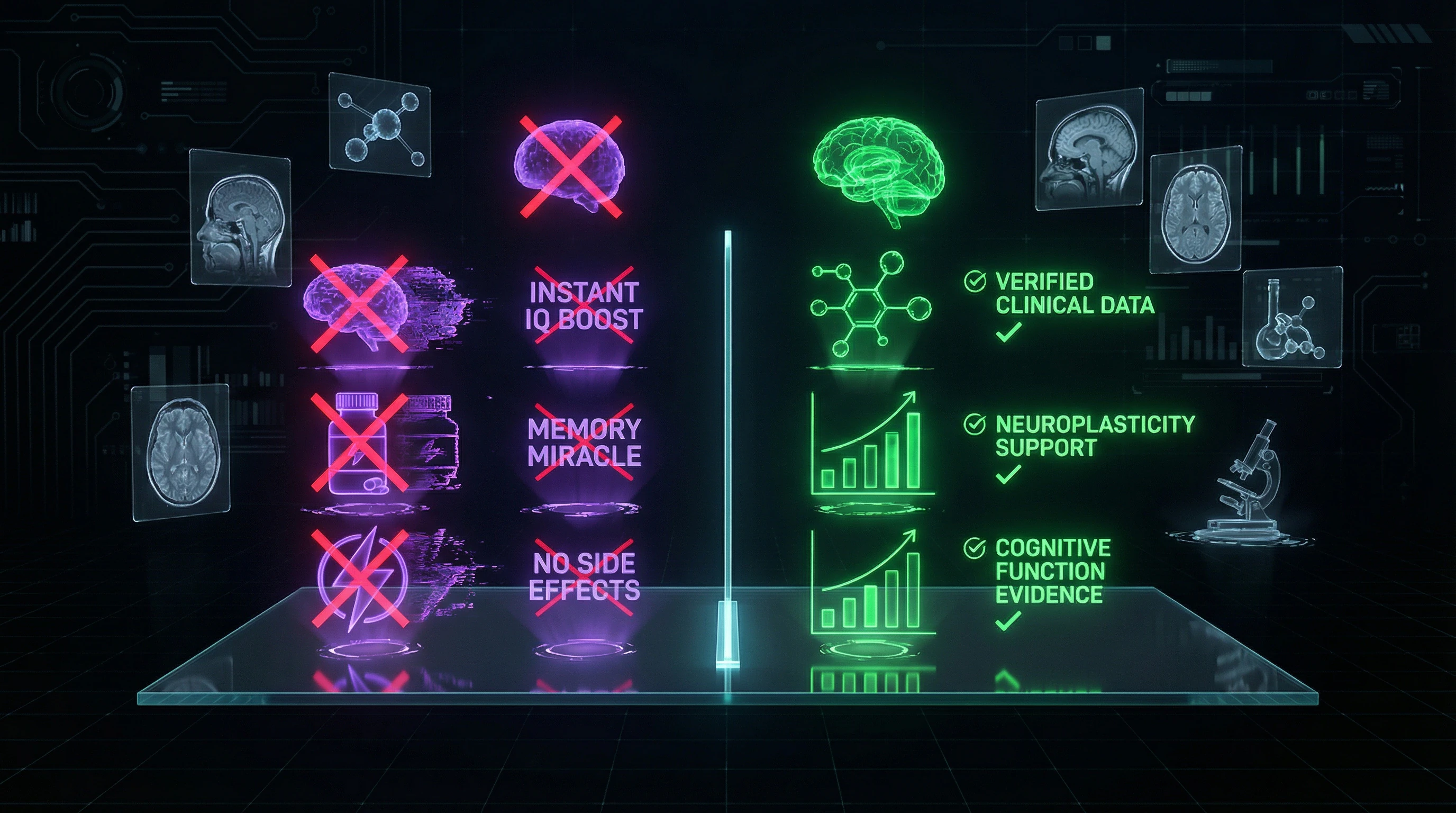
How to Recognize Pseudomedical Claims: Red Flags and Evaluation Criteria
Signs of Unproven Treatment Methods
Pseudomedical claims have characteristic features that can be learned and recognized. Promises to cure or prevent dementia without peer-reviewed evidence, reliance primarily on testimonials instead of clinical trials, and promotion of "secret" or "breakthrough" treatments are major red flags.
Demands for significant out-of-pocket expenses not covered by insurance, use of scientific-sounding language without actual scientific support, and pressure for immediate decisions indicate the pseudomedical nature of an offer.
- Promises of universal effectiveness or complete absence of side effects
- Lack of transparency regarding limitations and risks
- Ignoring uncertainty where evidence is incomplete
- Absence of publications in peer-reviewed medical journals
- Appeals to fear and desperation instead of facts
Any real intervention has limitations and potential risks. Claims of universality and safety are direct indicators of lack of scientific foundation.
Questions to Discuss with Medical Professionals
Active engagement with medical professionals and asking the right questions helps protect against pseudomedicine. Key questions: what quality of evidence supports this intervention, has it been studied in randomized controlled trials, what are the potential side effects and interactions with other medications.
Also ask: is it recommended by professional medical organizations and is it covered by evidence-based insurance policies. These questions distinguish scientifically validated interventions from pseudomedical products.
- Transparency About Limitations
- Evidence-based medicine openly discusses risks and boundaries of application. If a physician conceals or minimizes side effects—this is a signal of distrust.
- References to Peer-Reviewed Research
- Scientifically validated methods rely on publications in authoritative journals. Absence of such references indicates a weak evidence base.
- Acknowledgment of Uncertainty
- Honest medicine says "we don't know" or "evidence is conflicting." Categorical statements without qualifications are signs of pseudoscience.
- Pressure to Decide
- Urgency, emotional manipulation, and demands for immediate purchase are classic pseudomedicine tactics. Evidence-based medicine allows time for consideration.
Medical professionals practicing evidence-based medicine should be transparent about the limitations of available treatment methods. If a physician cannot provide references to peer-reviewed studies, evades discussion of risks, or pressures immediate decision-making—this is cause for concern.
Patients have the right to complete information about the quality of evidence underlying any treatment recommendations.
Evidence-Based Strategies for Protection Against Pseudomedicine
Recommendations for Patients and Caregivers
Verifying claims through authoritative sources — the Cochrane Library, PubMed, guidelines from professional medical organizations — separates evidence-based interventions from unproven ones.
Consulting with multiple specialists before expensive uninsured interventions, especially those promising miraculous results, is a mandatory precaution.
- Keep a symptom diary and objective measures of cognitive function for accurate effectiveness assessment.
- Recognize natural symptom fluctuations, placebo effect, and confirmation bias as sources of illusory benefit.
- Distinguish psychological mechanisms that sustain belief in ineffective methods to counter cognitive distortions.
Role of Healthcare Professionals and Regulatory Policy
Healthcare professionals counter pseudomedicine through active discussion with patients about their use of supplements and alternative methods, providing information about evidence quality and risks, and directing them to reliable sources.
The sharp rise in pseudomedicine targeting brain health and dementia prevention demands systemic changes in education and regulation.
Regulatory policy must strengthen evidence requirements for claims about cognitive function and dementia.
- System Level
- Improving access to evidence-based interventions; transparency of practitioners' financial conflicts of interest.
- Clinical Level
- Documenting supplement use; assessing evidence quality; protecting vulnerable populations.
- Patient Level
- Verifying sources; consulting with specialists; objective outcome monitoring.
Budget constraints paradoxically increase susceptibility to pseudomedicine when patients reduce use of evidence-based methods and miss natural remission patterns.

Knowledge Access Protocol
FAQ
Frequently Asked Questions
Pseudomedicine refers to treatments and supplements that operate within legal frameworks and are marketed as scientifically validated, but lack rigorous evidence of effectiveness. Unlike alternative medicine, which exists outside traditional practice, pseudomedicine operates within the healthcare system while making unsubstantiated claims. It often relies on individual testimonials as proof and can generate unethical financial benefits for practitioners.
The absence of side effects in ineffective products makes it easier to form false beliefs about their benefits. Cognitive biases, especially confirmation bias, cause people to interpret ambiguous results as confirmation of their expectations. Natural disease fluctuations and the placebo effect create an illusion of improvement.
The most vulnerable are older adults concerned about cognitive decline and caregivers of dementia patients. Also at risk are individuals with mild cognitive impairment and those seeking prevention strategies. These groups are actively targeted by marketing of unproven supplements and procedures for brain health.
No, this is a common myth. Many dietary supplements for brain health do not undergo rigorous safety and efficacy testing. Natural origin does not guarantee therapeutic benefit, and systematic reviews show limited evidence of effectiveness for most such supplements in preventing cognitive decline.
There is no convincing scientific evidence that most supplements can prevent or reverse dementia. Systematic reviews demonstrate minimal or absent effectiveness of products marketed for cognitive enhancement. Claims about treating dementia through supplements are one of the major red flags of pseudomedicine in brain health.
Key warning signs include: promises to cure or prevent dementia without peer-reviewed research, reliance on personal testimonials instead of clinical data, and claims of "breakthrough discoveries." Also concerning are guarantees of results, secret formulas, and pressure for immediate purchase. Absence of any mention of side effects is another warning sign.
High price does not equal effectiveness. Uninsured interventions such as intravenous nutrition or stem cells for dementia treatment often lack an evidence base despite high costs. The absence of regulation and scientific validation allows these services to be sold legally, but without guarantees of patient benefit.
Look for peer-reviewed studies in reputable medical journals, not just patient testimonials. Verify whether the treatment is approved by regulatory agencies based on clinical trials. Discuss any supplements or procedures with your physician, especially if they promise quick results or require significant financial investment without insurance coverage.
Ask about scientific evidence of effectiveness for the specific supplement, possible interactions with current medications, and potential side effects. Clarify whether there are clinical studies supporting the claimed benefits and whether the supplement is recommended by professional medical organizations. Request alternative evidence-based strategies for maintaining cognitive health.
Personal stories do not account for natural disease fluctuations, placebo effect, and cognitive biases. Scientific studies use control groups and statistical analysis to separate real effects from random improvements. One positive experience cannot serve as a basis for medical recommendations without systematic verification in large patient populations.
Paradoxically, budget limitations can increase exposure to ineffective treatments. When patients reduce medication use due to cost, they may experience natural remission periods and mistakenly attribute improvement to alternative methods. This creates a false association between pseudomedical intervention and positive outcomes.
Yes, physical activity, Mediterranean diet, social interaction, and cardiovascular risk factor control are scientifically validated. Cognitive stimulation through learning and hobbies also shows positive results. These strategies have solid evidence bases unlike most supplements and procedures marketed for dementia prevention.
Research documents significant growth in pseudomedicine targeting brain health and dementia prevention. This correlates with aging populations, rising concerns about cognitive decline, and lack of effective dementia treatments. Marketers exploit these fears by promoting unproven products to vulnerable populations.
No, legality does not equal proven effectiveness. Pseudomedicine operates within legal boundaries but may lack scientific validation. Regulatory approval for sale does not mean proof of efficacy—many supplements are regulated less strictly than pharmaceuticals and require no clinical trials before market entry.
Confirmation bias causes people to seek and interpret information confirming their existing beliefs. If someone believes in a supplement's effectiveness, they'll notice any positive changes while ignoring lack of improvement. This creates subjective perception of benefit even when the product is objectively ineffective.
Lack of obvious side effects in ineffective products facilitates formation of illusory beliefs about their benefits. Patients continue use without experiencing negative consequences and may mistakenly link natural improvements to treatment. This psychological mechanism sustains belief in pseudomedical methods despite absence of real therapeutic value.