What Crystal Healing Is in Scientific Optics — and Why the Question Isn't "Does It Work" but "How Exactly Does It Work"
Crystal healing — the use of minerals and gemstones to influence physical and psychological states. From ancient Egyptian amulets to rose quartz in modern wellness shops, stones have traditionally been considered carriers of energy, capable of balancing chakras and healing. More details in the Numerology section.
Modern science offers a different explanation: crystal healing works primarily through the placebo effect (S006). But this doesn't mean the effect is illusory.
🔎 Defining Boundaries: What Counts as "Crystal Healing" in Research Context
In scientific literature, crystal healing is considered part of the "energy healing" category — practices claiming to work through invisible energy fields not detectable by modern instruments.
Anthropological research shows: the starting point for analysis is the experiences of patients with medically unexplained symptoms (MUS) during healing rituals (S002). The goal of scientific analysis is to understand how bodily experienced images of body and self transform the patient during ritual.
- Energy Healing
- Practices claiming to work through invisible fields. Scientific interest lies not in the energy, but in the mechanisms that create measurable changes in the patient's body.
- Medically Unexplained Symptoms (MUS)
- Physical sensations without identified organic pathology. This is where placebo rituals show the greatest effect.
⚙️ Placebo Not as "Deception" but as a Specific Effect of Ritual
Critically important: the placebo effect is not a trick and not an imaginary phenomenon. Placebo is one of the most reliable demonstrations of the mind-body connection (S006).
When we say a treatment works "through placebo," it means: belief, expectation, and ritual create measurable changes in brain and body. This is no less real than a pharmacological effect.
Comparative analysis of Navajo healing ceremonies, acupuncture, and biomedical interventions shows: placebo effects are often described as "nonspecific," yet they are specific effects of healing rituals (S005). The structure of ritual, symbolism, expectation — all work as active ingredients.
🧱 Why Biomedicine Studies Placebo — and What This Says About Ritual
Biomedicine limits the study of placebo effect to dummy pills, sham injections, or simulated surgical procedures within randomized controlled trials (RCTs) (S005). This perspective stems from placebo's function in RCTs: to exclude the confounding effects of imagination, will, and belief from the evaluation of medical interventions.
| Approach | What It Excludes | What It Seeks |
|---|---|---|
| Placebo-Controlled RCT | Effects of belief, expectation, ritual | Objective physico-mechanical effects |
| Anthropological Analysis | Nothing — studies ritual as such | How ritual creates physiological response |
Demonstrating efficacy beyond placebo control in RCTs is the foundation for biomedicine's claim that its treatments are based on objective effects, not on rituals without active ingredients (S005). Crystal healing doesn't pass this test — but this doesn't mean it doesn't work through placebo mechanisms.
Seven Arguments from Crystal Therapy Advocates — Steelmanned Without Straw Men
To honestly evaluate the phenomenon of crystal therapy, it's necessary to present the strongest arguments of its proponents in the most convincing form — not caricatured claims, but logically consistent positions actually expressed by practitioners and their clients. More details in the section Occultism and Hermeticism.
💎 First Argument: Millennia-Old Cross-Cultural Persistence of Practice
The use of stones in healing practices is documented in ancient Egypt, traditional Chinese medicine, Ayurveda, indigenous American practices, and dozens of other cultural traditions separated geographically and historically. Proponents argue: if the practice were completely useless, it wouldn't have survived through millennia across such diverse cultural contexts.
The persistence of tradition is interpreted as evidence of a real effect, even if not understood by modern science. The logic here: convergent evolution of an idea points to its adaptive value.
🌊 Second Argument: Subjective Experience of Change Cannot Be "Unreal"
People practicing crystal therapy report real changes in well-being: reduced anxiety, improved sleep, decreased pain, increased emotional stability. Anthropological research confirms that patients with medically unexplained symptoms genuinely experience transformation during healing rituals (S002).
Proponents argue: if a person feels better, that's a "real" result, regardless of mechanism. Pain that's gone — is gone. Anxiety that's reduced — is reduced.
🔮 Third Argument: Science Cannot Yet Measure All Forms of Energy
This argument appeals to historical examples: electromagnetic waves, radiation, microbes — all were once invisible and unmeasurable until appropriate instruments appeared. Proponents suggest that "crystal energy" may represent a yet-undiscovered form of interaction that current instruments simply cannot register.
Absence of evidence is interpreted not as evidence of absence, but as a limitation of current measurement methods.
🧘 Fourth Argument: Ritual as Legitimate Therapeutic Technology
Even accepting that the effect is related to ritual rather than physical properties of stones doesn't make the practice useless. Research shows that healing rituals include drama of invocation, embodiment, somatic experience, and evaluation in a charged atmosphere of hope and uncertainty (S005).
If ritual creates a therapeutic effect, it's a legitimate tool, regardless of whether it works through "crystal energy" or psychological mechanisms. Mechanism doesn't negate outcome.
🎯 Fifth Argument: Integration with Other Practices Amplifies Effect
Crystal therapy is rarely applied in isolation — it's typically integrated with meditation, breathing practices, visualization, and body-oriented techniques. Proponents argue that crystals serve as a focus of attention, an anchor for practice, an amplifier of intention.
In this context, the stone performs the function of a tool for deeper work with consciousness and body. Synergy of components may explain observed effects without appealing to mystical energy.
🛡️ Sixth Argument: Absence of Side Effects and Low Risk
Unlike pharmacological interventions, crystal therapy has no toxic effects, drug interactions, or overdose risk. For people seeking complementary support methods for chronic conditions or stress, this represents a low-risk self-care option.
Even if the effect is entirely placebo, absence of harm makes the practice acceptable for those who find benefit in it. The principle of "do no harm" is observed.
🌐 Seventh Argument: Holistic Approach Against Reductionism
Proponents criticize the biomedical model for excessive reductionism — reducing humans to a set of biochemical processes. Crystal therapy offers a holistic approach that accounts for emotional, spiritual, and social aspects of health.
- Addressing the wholeness of experience, not just physiology
- Recognizing the role of context, meaning, and social support in healing
- Integrating the symbolic and material in one practice
- Restoring patient agency in the treatment process
Even if the mechanism of action is placebo, this placebo works precisely because it addresses the wholeness of human experience. The effectiveness of a holistic approach doesn't require mystical explanations — it requires understanding how psychology and social context influence physiology.
Evidence Base: What Controlled Studies Show About Crystal Healing and Placebo Rituals
Scientific evaluation of crystal healing requires separating two questions: does the practice work (does it create measurable changes) and does it work through the mechanism claimed by practitioners (crystal energy). The evidence base gives a clear answer to the first question and an equally clear one to the second. More details in the Ritual Magic section.
📊 Direct Studies of Crystal Effects: Methodology and Results
Evidence remains weak, inconsistent, and contradictory (S006). A key study used a double-blind design: participants were given either real crystals or plastic imitations without being told which object they received.
Results showed that subjective sensations (warmth, tingling, energy shifts) did not differ between groups—they depended on participants' expectations rather than the physical properties of the object (S007). This doesn't mean people feel nothing; it means the sensations are generated by the brain in response to context and expectation, not the stone's energy.
🧪 Experimental Research on Placebo in Healing Rituals
Routine biomedical interventions contain significant ritual dimensions (S005). Even "real" medical procedures work partly through ritual components—the clinical setting, physician authority, expectation of improvement.
Ritual works precisely because it creates a special psychological state in which physiological changes become possible. Healing ceremonies are surrounded by belief and uncertainty, positive expectation and anxiety—this emotional saturation is not contamination of the effect but its necessary component.
🧠 Neurobiological Mechanisms of Placebo: What Happens in the Brain
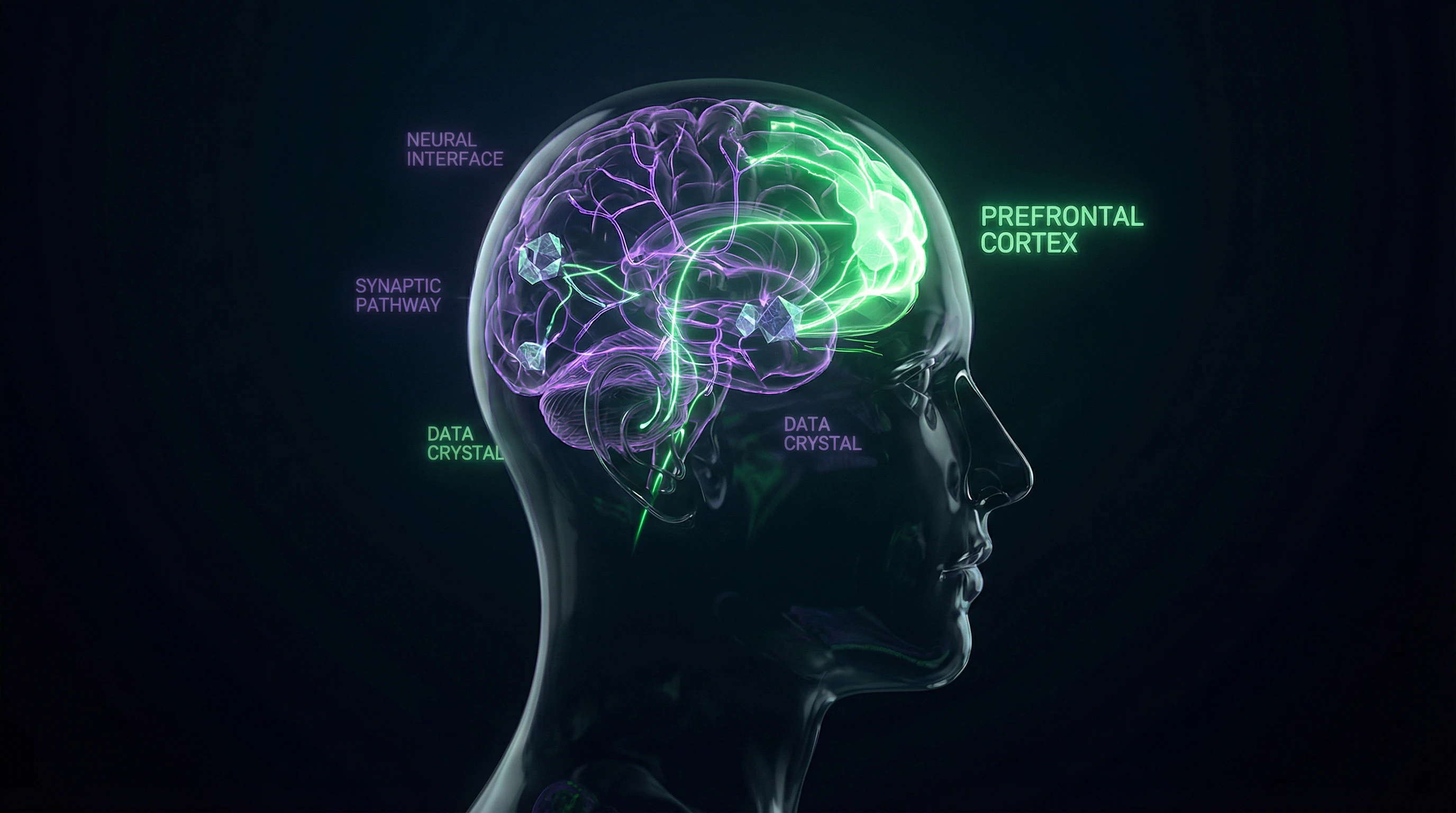
Expectation of improvement activates specific brain structures: the prefrontal cortex (expectation and evaluation), limbic system (emotions), insular cortex (bodily awareness) (S004). The brain triggers release of endogenous opioids—the body's own pain-relieving substances.
These changes aren't "imaginary"—they're registered by objective neuroimaging methods and correlate with subjective improvement (S004). Placebo effects involve neurological mechanisms inducing real physiological changes.
📈 Comparative Analysis: Navajo, Acupuncture, Biomedicine
Research on Navajo healing ceremonies, acupuncture, and biomedical treatment shows all three systems use ritual components to activate placebo mechanisms (S005). The difference isn't presence or absence of ritual, but its form and cultural context.
| System | Ritual Component | Psychological Mechanism |
|---|---|---|
| Navajo healing ceremonies | Songs, symbols, community | Harmony restoration, social support |
| Acupuncture | Specialized instruments, points, practitioner authority | Expectation of specific effect, bodily attention |
| Biomedicine | White coat, clinic, scientific terminology | Trust in authority, expectation of efficacy |
🔍 Evidence Base for Self-Help: What Works, What Doesn't
A systematic review of self-help interventions for depressive disorders examined 38 methods (S010). Those with the best evidence of effectiveness included S-adenosylmethionine, St. John's wort, bibliotherapy, computerized interventions, relaxation, physical exercise, and light therapy.
Crystal healing didn't make this list—not because it's harmful, but because controlled studies of its effectiveness for specific conditions are insufficient. This is an important distinction: absence of evidence doesn't equal evidence of absence of effect.
⚖️ Quality of Evidence: Why RCTs Aren't Always Applicable
Many studies were of low quality and may not generalize to self-help without professional guidance (S010). Expert consensus may be more appropriate for interventions that cannot be evaluated in randomized controlled trials.
- Absence of RCTs doesn't always mean absence of effect—sometimes it means the method is difficult to standardize.
- Research funding is often unavailable for practices not supported by the pharmaceutical industry.
- Ritual interventions require different methodological approaches than pharmacological ones.
- The placebo effect isn't "nothing"—it's a real physiological mechanism worthy of study.
Conclusion: crystal healing works through placebo mechanisms, not through crystal energy. This doesn't make it useless—it makes it part of a broader class of ritual interventions whose effectiveness depends on context, expectation, and a person's psychological state.
Mechanism of Action: How Ritual Transforms Symbol into Physiological Response
Understanding how placebo works in the context of crystal therapy requires analyzing the chain of events from symbolic object to measurable changes in the body. This is not a mystical process — it's a complex neurobiological sequence that can be broken down into components. More details in the Epistemology section.
🔁 From Symbol to Bodily Experience: An Anthropological Model
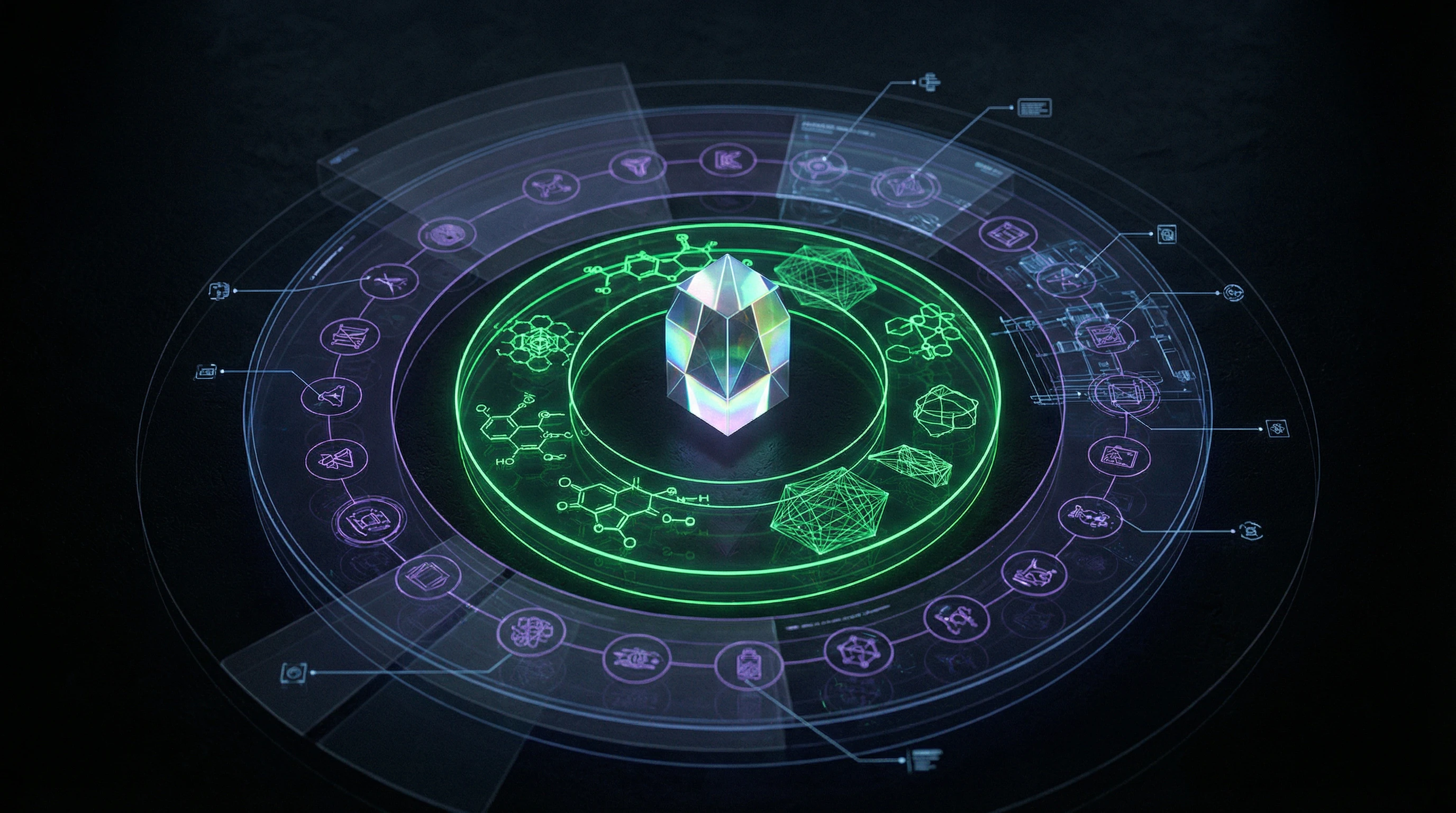
Embodied symbolic reframing of body image and self is an essential skill in healing rituals (S002). Placebo works as the efficacy of embodied symbols: the crystal functions not as an energy source, but as a material anchor for a process in which a person reframes their condition through ritual action.
The crystal doesn't emit energy — it focuses attention on experiencing one's own body as changing.
🎭 The Drama of Ritual: Invocation, Embodiment, Evaluation
Healing rituals include four components: invocation (creating a special context), embodiment (physical action with the object), bodily experience (focusing on sensations), and evaluation (interpreting changes as meaningful) (S005). Each component contributes to the therapeutic effect.
| Component | Function | Example with Crystal |
|---|---|---|
| Invocation | Separation from everyday life | Special place, time, atmosphere |
| Embodiment | Physical interaction | Holding crystal, placing on body |
| Experience | Directed attention | Focusing on bodily sensations |
| Evaluation | Meaning-making | Interpreting changes as healing |
⚡ Expectation as Neurochemical Trigger
The key mechanism of placebo is expectation. When a person expects improvement, their brain activates corresponding neural pathways and triggers the release of neurotransmitters (S004). This is not primitive self-suggestion, but complex predictive processing in which the brain uses expectations to modulate perception and physiological processes.
The crystal serves as a concrete, material trigger for this expectation — a visible, tangible object that signals to the brain: "the healing process is beginning now."
🧭 Context as Amplifier: Why Ritual Works Better Than a Pill
The placebo effect is stronger when the intervention is more complex, more invasive (as perceived), more expensive, and conducted in an impressive context (S001). Crystal rituals possess all these characteristics: they require time, attention, creation of a special space, and often include additional elements (candles, incense, music).
- Rich Context
- Amplifies expectation and, consequently, physiological response. The brain interprets complexity as a sign of seriousness and effectiveness.
- Materiality of the Crystal
- Transforms abstract expectation into concrete action. A tangible object is more convincing than verbal suggestion.
- Ritual Repeatability
- Creates predictability and control, which itself reduces stress and activates the body's restorative systems.
🔬 Specificity of the "Nonspecific" Effect
Placebo effects are often called "nonspecific," but analysis of healing rituals shows the opposite: effects are specific results of ritual structure (S005). What biomedicine calls "nonspecific" (context, expectation, ritual) is actually the specific mechanism of action of healing practices.
The crystal doesn't heal. The ritual heals, in which the crystal plays a central symbolic role — an anchor for reframing bodily experience.
Conflicts in the Data and Zones of Uncertainty: Where Sources Diverge and Why It Matters
The scientific literature on crystal healing and placebo does not represent a monolithic consensus. There are areas where data conflict, methodologies are contested, and interpretations diverge. More details in the Mental Errors section.
🧩 The Operationalization Problem: What Exactly Are We Measuring
One of the key challenges is defining what counts as an "effect" of crystal healing. If someone reports reduced anxiety after a session with crystals, is this the effect of the crystal, the effect of the ritual, the effect of time spent in a calm environment, or the effect of attention to one's own state?
Different studies operationalize the effect differently, making it difficult to compare results. One researcher might measure only subjective sensation, another biomarkers of inflammation, a third changes in brain activity patterns.
| Effect Operationalization | What Is Measured | Comparison Problem |
|---|---|---|
| Subjective well-being | Self-reports, scales | High sensitivity to expectations and suggestion |
| Physiological markers | Cortisol, inflammation, heart rate | Can change with context, independent of crystal |
| Neuroimaging | fMRI, EEG activity | Expensive, rare, difficult to control variables |
📉 Research Quality: Small Samples and Methodological Limitations
Many studies of alternative practices suffer from small sample sizes, lack of adequate controls, and non-blinded designs (S001). This doesn't mean the results are necessarily false, but it reduces confidence in their generalizability.
High-quality RCTs of crystal healing are extremely rare, partly due to the difficulty of standardizing the intervention, partly due to lack of funding. When research is conducted with enthusiasm by proponents of the method, there's a risk of experimenter bias—even unconsciously.
Paradox: the more specific and ritualized the method, the harder it is to standardize for RCTs, and the higher the risk that research funding comes from interested parties.
🔀 Heterogeneity of Practices: "Crystal Healing" as an Umbrella Term
The term "crystal healing" encompasses extremely diverse practices: from carrying a stone in your pocket to complex multi-hour rituals with placement of dozens of crystals on the body in specific configurations.
- Minimalist version
- Wearing a crystal as a talisman or reminder of intention. Mechanism: primarily cognitive anchor and ritual action.
- Complex version
- Placing crystals on chakras, using geometric patterns, synchronizing with lunar cycles. Mechanism: energetic influence is assumed, but empirically indistinguishable from placebo + ritual.
- Hybrid version
- Crystals as complement to meditation, yoga, or psychotherapy. Mechanism: crystal enhances focus on practice, but effect may be entirely due to the primary practice.
This heterogeneity makes it impossible to speak of "crystal healing in general"—effects can vary greatly depending on the specific practice, context, expectations of practitioner and client.
⚖️ Debates About the "Reality" of Placebo: Philosophical and Clinical Aspects
There's an ongoing discussion about whether the placebo effect should be considered "real" treatment (S002). On one hand, if the effect is measurable and brings relief, it's real regardless of mechanism.
On the other hand, ethical problems arise when practitioners claim mechanisms of action (crystal energy, quantum fields) that aren't supported by evidence, even if the ritual creates therapeutic effect through placebo. The patient gets relief, but based on a false model of causality.
- If the crystal works through placebo, it still works—but requires honesty about mechanism.
- If the practitioner conceals or denies the placebo component, this violates informed consent.
- If the crystal is positioned as replacement for proven treatment, this creates risk of harm.
- If the crystal is used as complement to primary treatment, risk is minimal, but requires transparency.
The key question isn't whether "the crystal works," but what mechanism of action is honestly described to the patient and what expectations are formed.
Cognitive Anatomy of Belief: What Mental Traps Make Crystal Therapy Convincing
Understanding why people believe in the effectiveness of crystals requires analyzing the cognitive mechanisms that make this belief persistent even in the absence of objective evidence for specific effects of stones. More details in the section Everyone Has Parasites.
🕳️ Confirmation Bias: Seeing What You Expect to See
When a person uses a crystal with the expectation of a specific effect (for example, reducing anxiety), they involuntarily focus attention on signs of that effect and ignore contradictory information.
If anxiety decreased, it's attributed to the crystal. If it didn't decrease, it's explained by incorrect stone selection, insufficient belief, negative environmental energy—any way that preserves the basic conviction.
Confirmation bias is not an error of logic, but an error of attention. The brain doesn't lie; it simply sees what it's looking for.
🎲 Illusion of Control and Agency in Uncertainty
Healing rituals are surrounded by belief and uncertainty, positive expectation and anxiety (S005). In situations of uncertainty—chronic pain, anxiety, medically unexplained symptoms—a ritual with crystals provides a sense of control and agency.
Even if objective control over the situation doesn't increase, the subjective sense of control is itself therapeutic.
🔮 Apophenia: Finding Patterns in Randomness
The human brain is evolutionarily tuned to search for patterns in the surrounding world—this helped survival. But in conditions of uncertainty, this ability becomes a trap: the brain finds connections where there are none.
A crystal on the desk, improvement in well-being a week later, coincidence with the moon phase—the brain links these events into a cause-and-effect chain, even if statistically they're independent.
- Expectation of effect activates search for confirmations
- Random improvements are interpreted as causal
- Failures are reclassified as "incorrect application"
- Belief strengthens rather than weakens
💬 Social Proof and Community Narrative
Belief in crystals rarely arises in a vacuum. It's embedded in social context: recommendations from friends, online reviews, the authority of a practicing healer (S002).
When many people tell similar stories about healing, this creates social proof—a cognitive mechanism where we consider information more credible if others confirm it.
Social proof works independently of the truth of the claim. It works because we are social beings, not because the claim is true.
🎭 Narrative Coherence: Story Stronger Than Facts
A person doesn't process information like a computer—they construct a narrative. A story about how an amethyst crystal helped cure insomnia is more convincing than a table with results from a placebo-controlled study.
Narrative activates emotions, creates identification, embeds information in personal experience. Facts remain facts; story becomes meaning.
| Mechanism | How It Works | Why It's Persistent |
|---|---|---|
| Confirmation bias | Attention focuses on confirmations | Contradictions are reclassified |
| Illusion of control | Ritual provides sense of agency | Subjective control is therapeutic in itself |
| Apophenia | Random events are linked in a chain | Brain searches for patterns by default |
| Social proof | Multiple voices = credibility | Social instinct stronger than critical thinking |
| Narrative coherence | Story embeds into personal meaning | Emotions and identification stronger than logic |
⚙️ Why This Isn't Manipulation, But Architecture of Thinking
These mechanisms are not bugs of the human mind, but its fundamental properties. They help us survive in conditions of incomplete information, build social connections, find meaning in chaos.
Crystal therapy works not because stones have magical properties, but because it activates these mechanisms. This isn't deception—it's using the architecture of belief that's built into our neurobiology.
- Cognitive Immunology in the Context of Crystals
- The task is not to "expose" believers, but to understand what cognitive processes make belief persistent, and to learn to distinguish between placebo effect (therapeutic) and substitution of medical care (dangerous).
When a crystal is used as a supplement to medical treatment or as a tool for reducing anxiety through ritual, the mechanisms of belief work in favor of health. When a crystal substitutes necessary treatment for a serious illness, the same mechanisms become dangerous.
The distinction between these scenarios is not in the mechanisms themselves, but in the context of their application and in honest communication about the boundaries of effectiveness.