What are "twin flames" — and why this concept has nothing to do with real relationships
The twin flames concept claims that each soul was split into two halves at birth, and these halves are destined to seek each other through incarnations, experiencing intense magnetic attraction and painful cycles of separation-reunion. More details in the section Astral and Lucid Dreams.
Unlike the "soulmates" concept, which allows for multiple compatible partners, twin flames is positioned as the only, unique, cosmically predetermined connection.
Not a single world religious tradition, not a single psychological school, not a single scientific study confirms the existence of literal "soul halves."
⚠️ Key concept markers: how to recognize twin flames narrative
Typical signs of twin flames discourse include: claims of "instant recognition" of a partner at the soul level, describing relationships as a "mirror" for spiritual growth through suffering, cyclical breakups and returns as a "necessary" stage.
- Interpreting a partner's toxic behavior as a "catalyst for awakening"
- Using the terms "runner" and "chaser" to describe avoidance dynamics
- Belief that separation from a twin flame is impossible or spiritually wrong, even in the presence of abuse
🧩 Historical origins: from Platonic myth to modern esotericism
The idea of a divided soul goes back to Plato's "Symposium" (circa 385 BCE), where the philosopher describes the myth of original androgynous beings cut in half by the gods.
The modern twin flames concept is a product of the 1970s-80s New Age movement, popularized through channeling books and "spiritual relationships." This is not ancient wisdom, but a marketing construct adapted to the modern audience's demand for meaning and predestination.
- Platonic myth
- A philosophical metaphor about the nature of love and the search for wholeness, not claiming to be literal.
- New Age interpretation
- Transformation of metaphor into literal teaching about cosmic destiny, linked to belief in reincarnation and spiritual hierarchies.
🔎 Analysis boundaries: what we're testing in this article
We're not evaluating people's subjective spiritual experiences — we're analyzing specific claims of the twin flames concept for their alignment with psychological research on healthy relationships.
We're testing the correlation between belief in "destiny" and relationship satisfaction, examining the cognitive mechanisms that make this narrative convincing, and documenting the real harm this concept causes by justifying toxic dynamics. More on cognitive traps in the soulmate myth analysis.
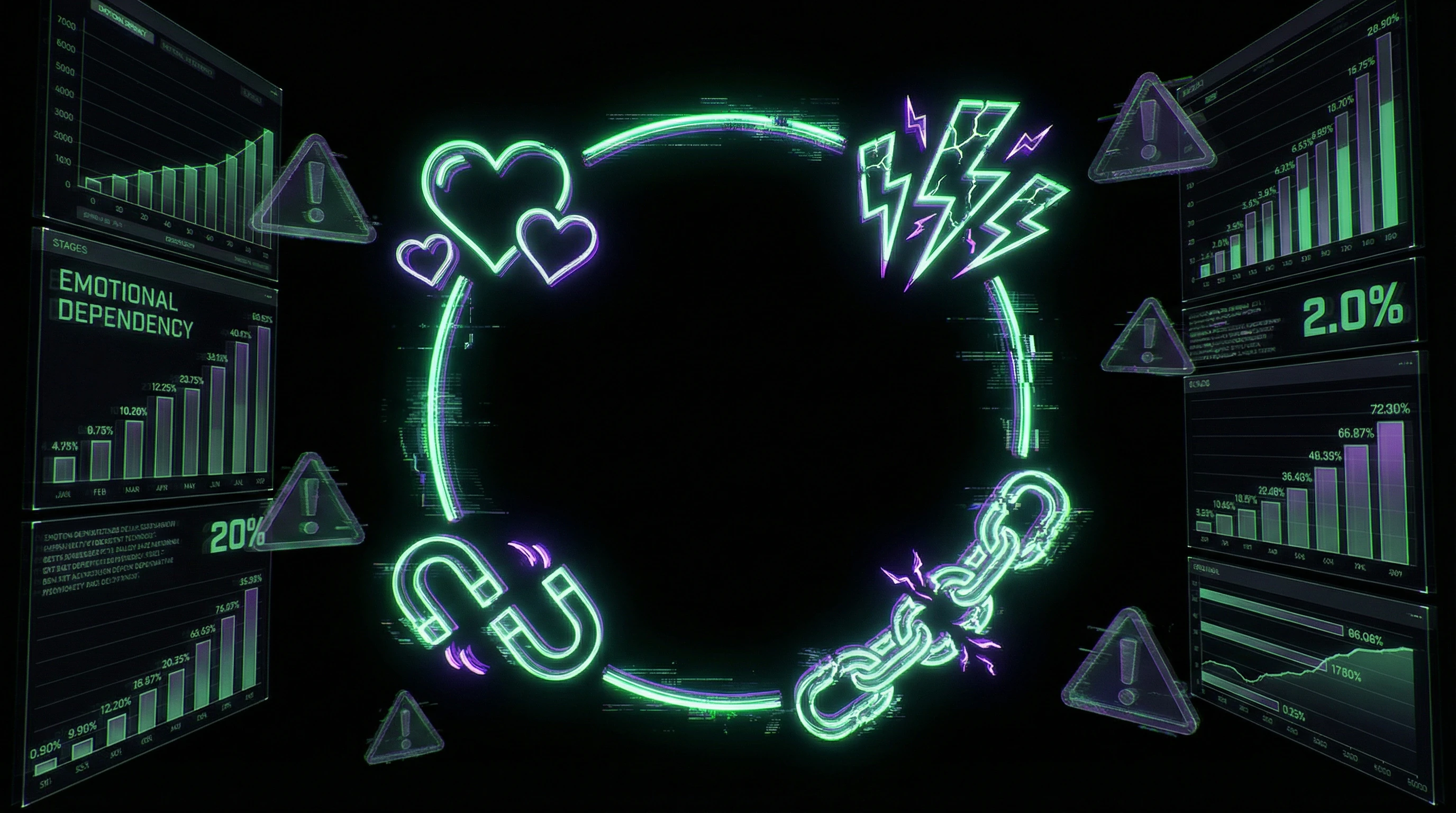
Seven Arguments from Twin Flame Believers — and Why They Seem Convincing
Before examining the concept, we need to honestly present the strongest arguments from its proponents — not caricatured versions, but the most thoughtful formulations. This is called steelmanning: we build the most robust version of the opposing position so our analysis is intellectually honest. More details in the Ritual Magic section.
💎 The Intensity Argument: "This Connection Can't Be Explained by Ordinary Chemistry"
Proponents claim: the intensity of emotions, physical sensations, and synchronicities in twin flame relationships so far exceeds ordinary romantic experience that it requires explanation beyond neurobiology. People describe telepathic connections, simultaneous thoughts, physical sensations in their partner's body, prophetic dreams, and chains of "impossible coincidences" that led to their meeting.
This argument is strong because it relies on real subjective experiences that genuinely feel extraordinary — and the brain is capable of generating them without any mysticism whatsoever.
🔁 The Transformation Argument: "This Relationship Changed Me More Than Any Other"
Twin flame relationships are often described as catalysts for radical personal change: people quit old habits, change careers, rethink values, begin spiritual practices. Proponents argue: if this were simply a toxic connection, it would be destructive — but many testify to positive growth, albeit through pain.
This argument appeals to the real phenomenon of post-traumatic growth and the idea that the deepest transformations occur through crisis.
🧬 The Recognition Argument: "I've Known This Person My Whole Life, Though We Met Yesterday"
The sensation of instant deep recognition, familiarity without prior acquaintance — one of the most frequently mentioned markers of a twin flame meeting. People describe a feeling of "coming home," recognizing eyes, voice, energy as something ancient and familiar.
| What Believers See | What's Actually Happening |
|---|---|
| Mystical recognition from past lives | Pareidolia in social perception: the brain finds patterns in facial features, voice, mannerisms |
| Cosmic destiny of the meeting | Selective attention: we notice coincidences, forget thousands of people who didn't match |
| Energetic synchronization | Mirroring behavior (mimicry) and projection of our own desires |
⚙️ The Synchronicity Argument: "The Universe Constantly Sends Signs About Our Connection"
Proponents document chains of coincidences: repeating numbers (especially 11:11), meetings under improbable circumstances, simultaneous life events, appearance of symbols and the partner's name in unexpected places. Jung's concept of synchronicity lends this argument intellectual respectability: perhaps there are acausal connections that science cannot yet measure.
However, Jung himself emphasized that synchronicity is a psychological phenomenon, not a physical law. Coincidences seem meaningful only because we actively seek them and forget millions of non-coincidences.
🧠 The Mirroring Argument: "This Person Reflects My Deepest Wounds and Shadow Sides"
Twin flames are often described as a "mirror of the soul": the partner triggers precisely those traumas, fears, and unprocessed patterns that require healing. Proponents claim: ordinary comfortable relationships don't provide such deep material for self-work.
This argument appeals to the psychotherapeutic idea that our triggers point to areas of growth — but confuses healthy conflict with toxic dependency, where pain becomes the drug.
🕳️ The Impossibility of Forgetting Argument: "I Tried to Move On, But the Connection Won't Let Go"
Even after separation, even in new relationships, the twin flame connection continues to feel alive: intrusive thoughts about the partner, physical sensations of their presence, inability to emotionally invest in other people. Proponents interpret this as proof that the connection exists at a level beyond conscious control.
In reality, these are classic symptoms of psychological addiction and traumatic attachment, which intensify when relationships are unstable and unpredictable.
🔮 The Spiritual Mission Argument: "We Met to Fulfill a Joint Task for Humanity"
Many twin flame narratives include the idea of a higher purpose for the couple: creating something meaningful, spreading spiritual teaching, serving as an example of unconditional love. This argument gives suffering meaning and embeds personal relationships in a grandiose cosmic context, which is psychologically very attractive — especially for people seeking purpose.
- Why This Argument Works
- The human brain seeks narrative and meaning. Pain in relationships is easier to bear if it's part of a "grand plan" than if it's simply a mistake in partner choice.
- The Cognitive Trap
- The grandiosity of the mission often serves as justification for ignoring red flags: manipulation, control, emotional abuse get reclassified as "spiritual tests."
What Research Says About Partner "Destiny" — And Why This Belief Correlates With Unhappiness
Psychological research over the past two decades has systematically examined how beliefs about the nature of love affect relationship quality and stability. The results are unequivocal: belief in destiny correlates with unhappiness. More details in the Occultism and Hermeticism section.
📊 Destiny Beliefs vs. Growth Beliefs: Two Types of Implicit Theories About Love
Researchers distinguish between two types of beliefs about romantic relationships: destiny beliefs (the belief in predestination — partners either fit together perfectly "by nature" or they don't) and growth beliefs (the belief in development — compatibility is created through effort, compromise, and mutual work).
People with strong destiny beliefs demonstrate lower satisfaction in long-term relationships, become disillusioned more quickly at the first conflicts, and cope worse with the inevitable difficulties of shared life.
The paradox: those who believe in twin flames are more likely to remain in destructive relationships if convinced they've found "the one."
🧪 Empirical Data: Belief in Soulmates Predicts Relationship Problems
Knee's (1998) study of 120 couples showed that participants with high destiny beliefs were more prone to breaking up after conflicts and demonstrated less willingness to work on problems. Franiuk et al. (2002) found that students with strong soulmate beliefs experienced more intense distress after breakups and took longer to recover.
A particularly troubling finding: people with destiny beliefs interpret relationship problems as a "sign" that the partner isn't the right person. But if they've already invested the twin flame idea in a specific person, those same problems get reclassified as "necessary trials" — creating a cognitive dead end.
| Belief Type | Behavior During Conflict | Long-Term Outcome |
|---|---|---|
| Destiny beliefs | Interpreted as "sign of incompatibility" | Breakup or stuck in abuse |
| Growth beliefs | Solution-seeking, negotiation | Strengthened bond, adaptation |
🧾 Meta-Analysis of Relationship Satisfaction Factors: Where's "Cosmic Connection" on the List?
Systematic reviews of factors predicting romantic relationship satisfaction and stability consistently identify: effective communication, ability to resolve conflicts constructively, emotional support, fair distribution of household responsibilities, sexual compatibility, shared values and life goals, financial stability, support from social networks.
In no meta-analysis does "feeling of cosmic destiny" appear as a significant predictor of long-term couple well-being. Realistic expectations and willingness to work on the relationship are consistently reproduced success factors.
⚠️ Toxic Relationships Masked as Spirituality: How the Twin Flames Narrative Justifies Abuse
The twin flames concept can reframe overtly destructive behavior as a "spiritual lesson." Emotional abuse gets interpreted as a "mirror of shadow aspects," partner disappearances and ghosting as the "runner phase," manipulation and gaslighting as a "catalyst for awakening."
- Abuse victims who believe in a twin flames connection with their abuser stay in dangerous relationships significantly longer
- Violence is rationalized through spiritual explanations
- When reality sets in, deeper trauma occurs — simultaneously grieving the loss of the relationship and the collapse of an entire spiritual framework
Research shows this combination — romantic illusion plus spiritual justification — creates a particularly resilient trap. The twin flames myth transforms a cognitive error into a tool for self-protection from reality.
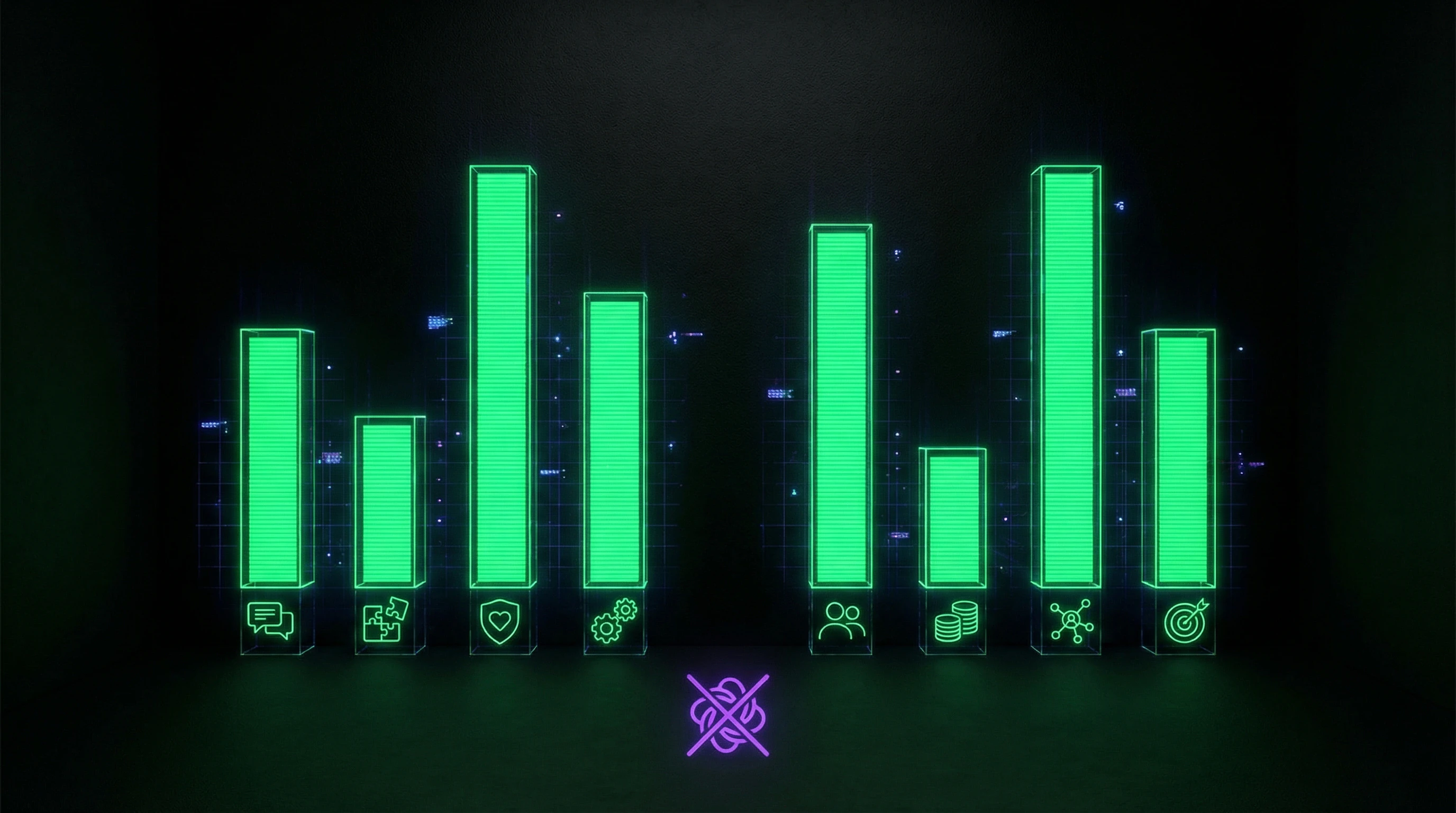
The Neurobiology of "Cosmic Love": Why the Brain Creates the Illusion of Destiny
The intense experiences in twin flames relationships are real — but their source is neurochemical, not cosmic. Understanding the brain mechanisms that create the sensation of a "fated connection" is critically important for protection against manipulation by this concept. More details in the Reality Check section.
🧬 Limerence: Obsessive Infatuation as an Altered State of Consciousness
Psychologist Dorothy Tennov in 1979 described the phenomenon of limerence — a state of intense romantic obsession characterized by intrusive thoughts about the object, physiological reactions to their presence, fear of rejection, euphoria from reciprocation, and interpretation of any actions by the object as significant.
Neuroimaging studies show that limerence activates the same brain regions as cocaine addiction: the ventral tegmental area and nucleus accumbens, linked to the dopaminergic reward system. This explains why a twin flames connection feels like a "drug" — literally, at the neurochemical level.
Limerence is not love. It's a state in which the brain produces the same neurotransmitters as in drug addiction. The feeling of uncontrollability and all-consuming passion is a sign of dysfunction, not cosmic destiny.
🔁 Intermittent Reinforcement: Why Breakup-Reunion Cycles Intensify Dependency
The classic pattern of twin flames relationships — alternating intense closeness and painful distancing — creates a regime of intermittent reinforcement, which forms the most extinction-resistant form of behavioral addiction.
When reward (closeness with a partner) comes unpredictably, the brain interprets this as a signal of high resource value and intensifies motivation to obtain it. This explains the paradox: the more unstable and painful twin flames relationships are, the stronger the sense of their "specialness" and the impossibility of letting go.
| Mechanism | Neurochemical Effect | Subjective Experience |
|---|---|---|
| Constant reward | Adaptation, dopamine reduction | Boredom, habituation |
| Intermittent reward | Constant activation of dopamine system | Obsessive desire, intensity |
| Unpredictability + pain | Maximum activation of reward system | "This is fate, this is special" |
🧷 Trauma Bonding: When Fear and Love Fuse into One Experience
The concept of trauma bonding, described by Patrick Carnes, explains why abuse victims often experience the most intense "love" precisely toward their abusers. When the source of pain and the source of comfort are the same person, the brain forms a pathologically strong emotional bond as a survival strategy.
Abuse-reconciliation cycles create neurochemical roller coasters: cortisol and adrenaline during conflict, oxytocin and dopamine during reconciliation. This biochemical intensity is easily interpreted as "proof" of the depth and significance of the connection — though in reality it's a marker of dysfunction.
- Oxytocin (bonding hormone)
- Released during reconciliation after conflict. Creates a sense of deep connection and forgiveness. In the context of abuse, it becomes a mechanism that keeps the victim in the cycle.
- Cortisol (stress hormone)
- Elevated during conflicts. Its sharp decline during reconciliation is perceived as relief and reward, strengthening attachment to the source of pain.
- Dopamine (motivation and reward)
- Released during unpredictable positive events. In unstable relationships, its level remains chronically elevated, creating a state of constant anticipation.
👁️ Apophenia and Confirmation Bias: How the Brain Finds Patterns in Noise
Apophenia — the tendency to perceive meaningful connections between unrelated phenomena — is an evolutionarily adaptive feature of the human brain, but in the context of twin flames it creates the illusion of cosmic signs.
When a person believes in the destiny of a connection, confirmation bias causes them to notice and remember coincidences that confirm the belief, and ignore contradictory data. See 11:11 on the clock? A sign! Don't see it? Just didn't pay attention. Met someone with your partner's name? Synchronicity! Met hundreds of people with other names? Doesn't count.
This mechanism creates a self-sustaining system of "evidence" that feels like objective reality. The brain doesn't seek truth — it seeks confirmation of already formed beliefs. The stronger the belief in twin flames, the more "signs" a person finds.
The connection between belief in destiny and psychological harm is direct: people convinced of the existence of one single partner demonstrate higher levels of anxiety, depression, and tolerance for abuse. The twin flames myth is not just inaccurate — it's actively maladaptive. It translates normal neurochemical processes into the category of "cosmic destiny" and blocks critical thinking at the moment when it's most needed.
Cognitive traps of the twin flames concept: anatomy of a compelling myth
Why is the twin flames concept so convincing despite lacking evidence? Because it exploits fundamental features of human thinking and deep psychological needs. Learn more in the Sources and Evidence section.
⚠️ Exploiting the need for meaning: the narrative trap of suffering
The human brain is a meaning-making machine. We cannot endure meaningless suffering—we need a story that explains pain and embeds it in a broader context.
The twin flames concept offers a ready-made narrative: your agonizing relationship is not a mistake, not toxicity, not the result of poor choices, but a cosmically necessary path of spiritual evolution. This is psychologically seductive because it transforms victimhood into heroism and helplessness into a mystical mission.
People are willing to endure significantly more suffering if they believe it has a higher purpose. The twin flames concept monetizes this willingness.
🧩 The sunk cost trap: "I've already invested so much in this connection"
Sunk cost fallacy is a cognitive bias where we continue investing in a failing venture because we've already committed many resources and don't want to admit their loss.
In the twin flames context, this amplifies to absurdity: if you believe you've spent not just years but multiple lifetimes searching for this person, the idea of letting them go becomes psychologically unbearable. The concept creates an illusion of cosmic sunk costs that cannot be written off.
🔮 The Barnum effect and vague criteria: why everyone can find their twin flame
Descriptions of twin flames connections are so vague and universal that almost any intense relationship can be fitted to the criteria.
- "Feeling of deep connection"—subjective and unverifiable
- "Mirroring shadow aspects"—any conflict can be interpreted as a mirror
- "Synchronicities"—with enough attention, coincidences can be found everywhere
This is a classic Barnum effect: the description seems surprisingly accurate because it's general enough to apply to most people, yet phrased as if describing a unique experience. The mechanism works identically for the law of attraction and synchronicity.
⚙️ Social reinforcement in echo chambers: how communities amplify belief
Twin flames communities on social media function as echo chambers, where any doubt about the concept is met with defensive reactions, while any confirmation receives enthusiastic support.
| Amplification mechanism | Result |
|---|---|
| Thousands of similar stories in the feed | Illusion of consensus validity: "So many people can't be wrong" |
| Algorithms show content matching beliefs | Impression that twin flames is a widely accepted reality |
| Criticism meets group defense | Doubt becomes socially costly |
But popularity of an idea doesn't make it true. Echo chambers create an illusion of consensus, not evidence. The same mechanism operates in any closed communities—from conspiracy theories to pseudomedicine.
Verification Protocol: Seven Questions That Will Shatter the Twin Flames Illusion in Five Minutes
If you or someone close to you is under the influence of the twin flames concept, this checklist will help you assess the situation soberly. Honest answers are a powerful tool for escaping the cognitive trap. Learn more in the New Religious Movements section.
✅ Question 1: If I remove the words "spiritual growth" and "cosmic mission," do these relationships make me happy?
Strip away all the esoteric framing and evaluate by basic criteria: do you feel safe, respected, supported? More joy than suffering? If a friend described the same relationship without mentioning twin flames, what would you advise them?
This question cuts through the narrative overlay and returns you to the empirical reality of your experience.
✅ Question 2: Can I name specific, measurable improvements in my life thanks to this relationship?
"Spiritual growth" is a vague concept. Demand specifics: has your mental health improved (less anxiety, depression)? Have you become more functional (career, finances, friendships)? Have you developed new skills?
Or does "growth" simply mean the ability to endure more pain? Real transformation is measurable in actual life outcomes, not just in changed interpretations of suffering.
⛔ Question 3: If I described my partner's behavior without the twin flames context, would it sound like red flags?
Disappears for weeks without explanation? Criticizes and devalues? Refuses commitment? Flirts with others? Controls or shows jealousy?
If you remove the interpretation "he/she is the runner, it's part of the process," do these actions remain acceptable? This question helps you see whether you're justifying unacceptable behavior through an esoteric narrative.
✅ Question 4: Do I have the ability to be wrong?
If you can't imagine a scenario where you're wrong about this being your "twin flame," that's a sign of a closed belief system. Healthy thinking always leaves room for revision.
Can you say: "I was wrong, this isn't twin flames, it's just incompatibility"? If not—you're trapped.
⛔ Question 5: Who benefits from my belief in this concept?
Twin flames coaches, book authors, content creators, course sellers—they all monetize your belief. They're invested in you staying in relationships that destroy you, because it generates content, questions, searches for solutions.
If a concept exists because it's being sold, not because it's true—that's a red flag for your critical thinking.
✅ Question 6: What will I lose if I abandon this idea?
People often cling to the twin flames myth because abandoning it means admitting: I spent years on someone who doesn't value me. I was in a relationship that harmed me. That hurts.
But the pain of acknowledging reality is the pain of healing. The pain of continuing to live in illusion is the pain of degradation. The choice between them is a choice between short-term comfort and long-term wellbeing.
⛔ Question 7: If I were a psychologist counseling someone in my situation, what would I tell them?
Distance helps. When you look at the situation from the outside, professionally, without emotional attachment, what do you see? Usually the answer is obvious.
| If you answered… | This means |
|---|---|
| "Yes" to questions 1, 2, 4, 6 | The relationship is healthy. You don't need the twin flames concept. |
| "No" to questions 1, 2, 4, 6 | The relationship is harmful. The twin flames concept is a defense mechanism keeping you trapped. |
| Difficulty answering any question | You're in a state of cognitive dissonance. This is normal. Consult a psychologist. |
The twin flames myth works because it offers a simple answer to a complex question: why do I love someone who harms me? Because it's cosmic destiny, not my mistake.
But reality is more complex. And reality is what a healthy life is built on. Not on myths, however beautiful they may be. If you're ready for this conversation, start with these seven questions. The rest will follow.
Additionally: study the myth of "soulmates" and Twin Flames to understand how romantic illusion transforms into a cognitive trap. It's also useful to examine synchronicity and the illusion of meaning in randomness, which often reinforces belief in twin flames.