What the Law of Attraction actually claims — and why it's not just a motivational metaphor
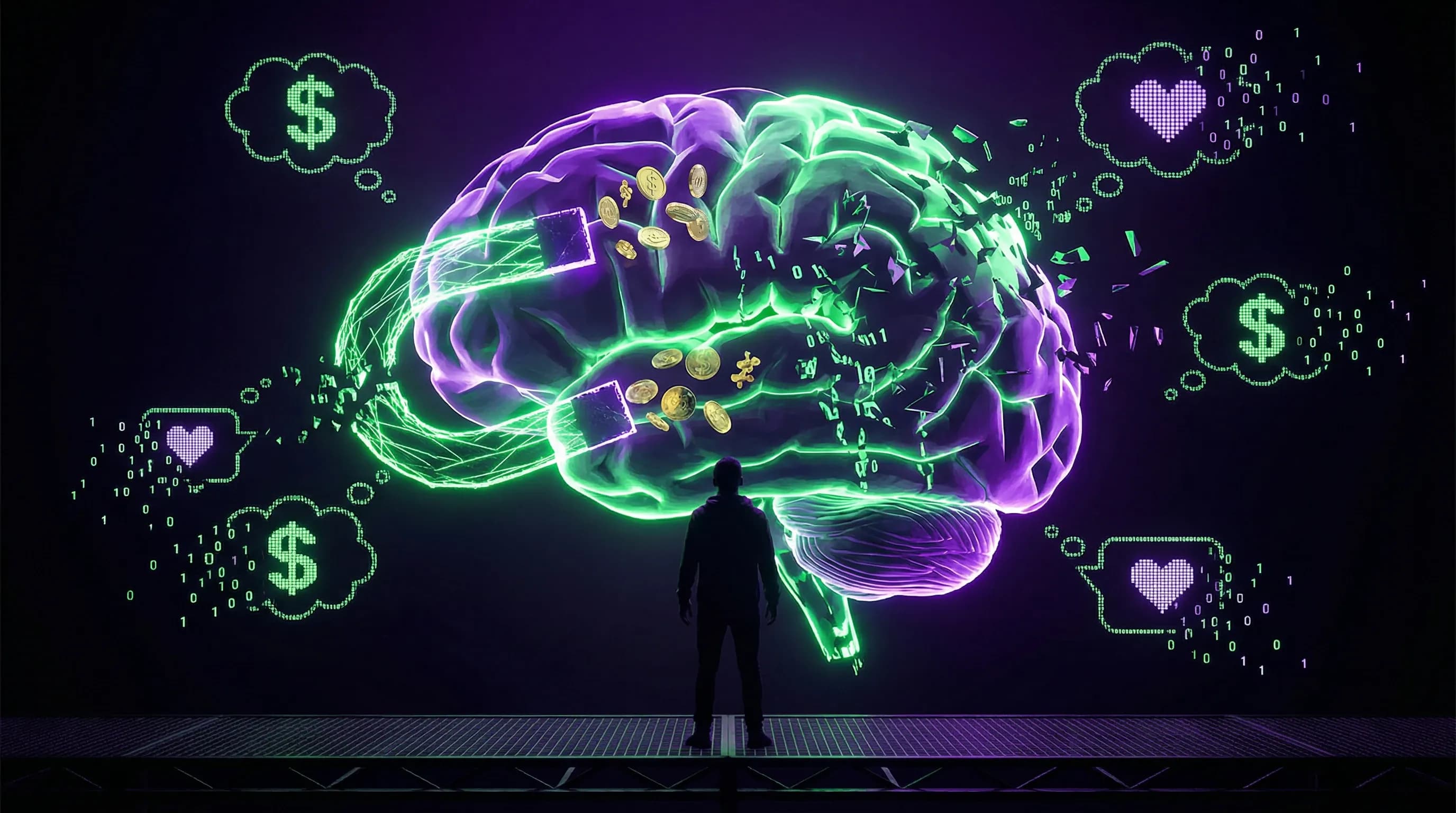
The Law of Attraction in its classical formulation is not a call to "think positively" or "believe in yourself." It's an ontological claim: thoughts possess physical force capable of influencing matter and events through a universal mechanism of resonance or "energetic attraction." More details in the section Karma and Reincarnation.
Proponents of the concept claim that the brain emits "vibrations" that interact with the "quantum field" or "energy of the Universe," attracting corresponding events and objects. This is a direct ontological requirement, not a metaphor.
🧩 Three key components of the classical model
- Ontological dualism of thought and matter
- It is claimed that thoughts exist as independent entities capable of affecting the physical world without bodily mediation. This contradicts materialist neuroscience, which views thoughts as patterns of neural activity inseparable from the physical substrate of the brain.
- Mechanism of "vibrational resonance"
- It is assumed that thoughts have a frequency that "resonates" with the frequency of desired objects or events. This metaphor borrows terminology from physics but applies it to phenomena for which these concepts are neither defined nor measurable.
- Teleological Universe
- The Law of Attraction assumes that the Universe "responds" to thoughts, "delivers" what is desired, "understands" intentions. This attribution of agency and purposefulness to the cosmos is anthropomorphism that contradicts physical laws.
🔎 The boundary between psychological effect and magical thinking
It is critically important to distinguish between two claims: (1) positive thinking improves emotional state and can indirectly influence behavior, increasing the probability of achieving goals; (2) thoughts directly alter physical reality through non-physical mechanisms.
The first has empirical support and does not contradict the scientific worldview. The second is magical thinking, requiring a revision of fundamental physical laws.
Positive thinking does indeed correlate with emotional resilience. However, the mechanism of this effect is fully explained by psychological processes: shifting attentional focus, reappraising stressors, improving social interactions, increasing motivation to act. None of these mechanisms require postulating non-physical forces.
🧱 Why definitions matter for testing claims
Proponents of the Law of Attraction often use a "moving goalposts" strategy: when asked to provide evidence of direct influence of thoughts on matter, they switch to psychological effects. When critics point out that psychological effects don't require new physical laws, they return to strong claims about "quantum fields" and "thought energy."
- If the Law of Attraction is a metaphor for "be optimistic and act purposefully," then it's trivial and doesn't need mystical terminology.
- If it's a claim about new physical forces — extraordinary evidence is required, which is absent.
- For proper analysis, it's necessary to establish exactly which claim is being tested and not allow switching between them.
This confusion between levels of explanation — psychological and physical — is the key reason for the concept's persistence. It allows Law of Attraction proponents to appeal to real psychological effects while simultaneously maintaining the claim to explain physical phenomena through non-physical mechanisms.
The Steel Version of the Argument: Five Most Compelling Cases for the Law of Attraction
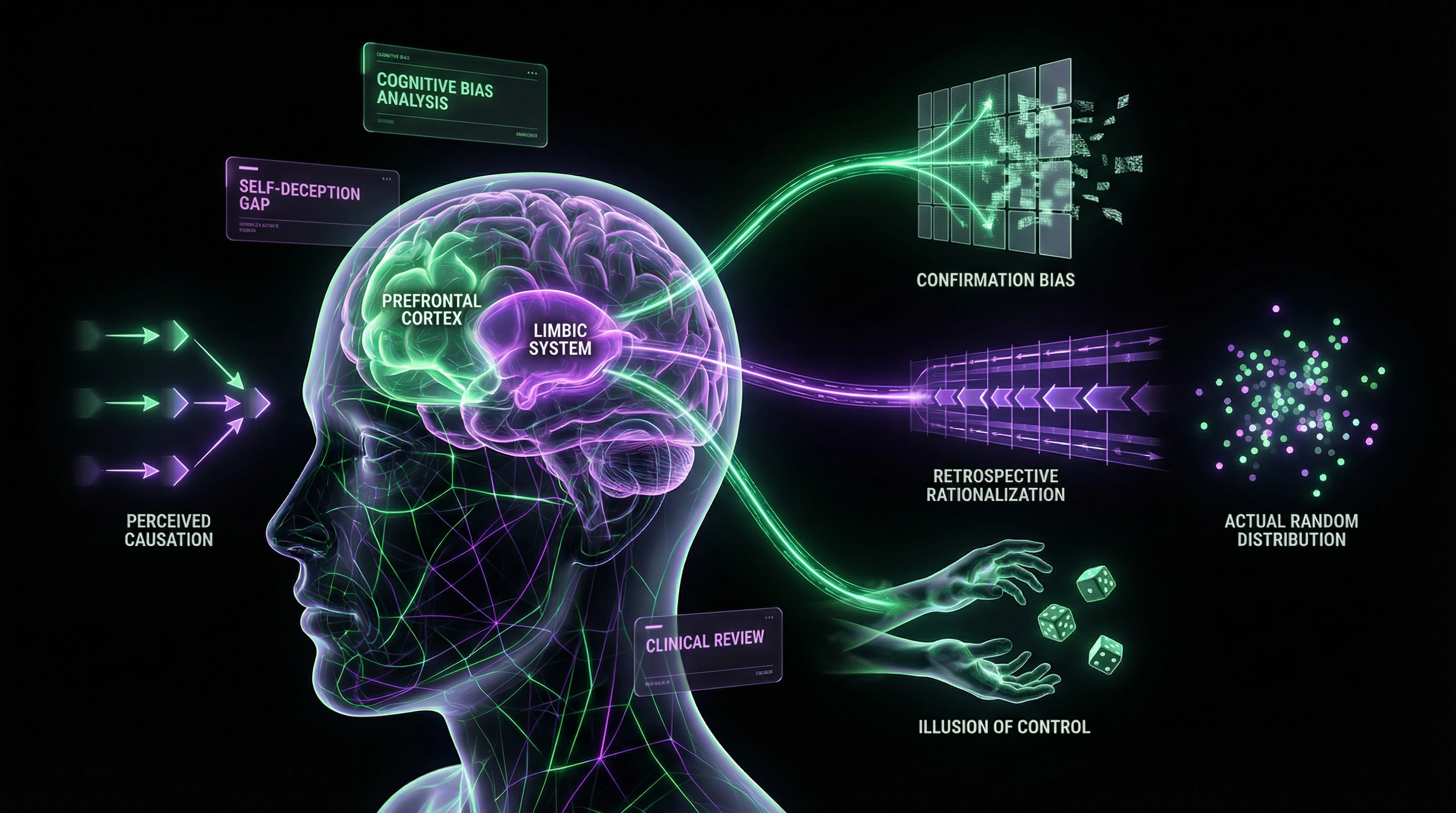
Honest analysis requires examining the strongest arguments from proponents — not caricatures, but refined formulations. This is the "steel version" (steelman) of the argument, the opposite of a "straw man" (strawman). Only by refuting the most convincing versions of a claim can criticism be considered justified. More details in the section Magic and Rituals.
🔬 The Argument from Personal Experience and Reproducibility
Millions of people report the law of attraction "working": visualization of desire → change in internal state → materialization of desire. The pattern reproduces frequently enough to create an impression of regularity rather than coincidence.
The strong version acknowledges that individual cases may be coincidences, but asserts: if a million people practice visualization and a significant proportion report positive results, the statistical frequency exceeds baseline probability. This requires explanation.
| Observation | Alternative Explanation |
|---|---|
| People report coincidences after visualization | Selective attention + confirmation bias |
| Frequency higher than random | Survivorship bias (failures not documented) |
| Pattern reproduces | Self-fulfilling prophecy through behavior |
🧠 The Argument from Neuroplasticity and Psychosomatic Effects
Real scientific data confirms: mental states influence physiology. Stress alters immune function, meditation affects brain structure, placebo produces measurable biochemical changes.
Proponents extrapolate: if thoughts change the body, why can't they influence broader reality? The argument uses real facts as a springboard for broader claims, acknowledging the material basis of consciousness but suggesting that the influence of thoughts isn't limited to the organism's boundaries.
Neuroplasticity is a real phenomenon. But the leap from "the brain changes under the influence of experience" to "thoughts materialize desires" is a logical jump, not a scientific conclusion.
📊 The Argument from Quantum Mechanics and the Observer's Role
The popular version appeals to quantum mechanics: if the observer's consciousness influences the collapse of the wave function in laboratory experiments, it can influence macroscopic reality too. The law of attraction is interpreted as a macroscopic manifestation of quantum effects of consciousness.
The strong version doesn't claim that quantum mechanics proves the law of attraction, but suggests it makes it plausible, removing the philosophical barrier between consciousness and matter.
- The Observer's Role in Quantum Mechanics
- Measurement affects quantum state, but this doesn't mean consciousness controls reality. It's a mathematical artifact of the instrument's interaction with the system.
- Scaling to the Macroscopic World
- Quantum effects decohere at macroscopic scales. There's no mechanism that would allow consciousness to influence macroscopic objects through quantum channels.
- The Analogy Trap
- Similarity in terminology ("observer") creates an illusion of similarity in mechanism. In reality, these are different phenomena.
🔁 The Argument from Self-Fulfilling Prophecies and Feedback Loops
This argument acknowledges the absence of direct telekinetic effect, but claims the law of attraction works through complex feedback loops: visualization of success → increased confidence → behavior change → changed reactions from others → increased opportunities → goal achievement.
Each step has scientific justification. Proponents argue: it doesn't matter whether the mechanism is "mystical" or psychological — if the practice produces results, it's valid. This is a pragmatic argument: the law of attraction works not because the Universe is magical, but because human psychology and social dynamics create effects indistinguishable from magic.
- Visualization of goal increases awareness of opportunities
- Increased awareness changes behavior (active search, risk-readiness)
- Changed behavior attracts attention from other people
- Social support opens new doors
- The result appears "attracted," though it's the result of action
🧬 The Argument from Evolutionary Adaptiveness of Positive Thinking
If positive thinking and belief in control over reality became evolutionarily fixed, this indicates their adaptive value. The brain evolved to create an illusion of greater control than actually exists, because this illusion increases survivability.
The law of attraction may be a cultural codification of this adaptive mechanism. The argument doesn't claim the law of attraction is ontologically true, but suggests it's "true" pragmatically — as a useful fiction that increases functionality. The concept of antagonistic pleiotropy (S001) shows: evolution can fix mechanisms useful in one context, even if they create problems in another.
The adaptiveness of a mechanism doesn't prove its truth. The illusion of control can be useful for survival and simultaneously be an illusion. A useful lie remains a lie.
All five arguments rely on real phenomena: personal experience, neuroplasticity, quantum mechanics, psychological feedback loops, evolutionary adaptiveness. But each makes a logical leap: from "this is real" to "this proves the law of attraction." The distinction between mechanism and magic is key to dismantling these arguments.
Evidence Base: What Research Says About the Influence of Thoughts on Reality
Critical analysis requires separating claims into testable components. Let's examine three categories: (1) influence of thoughts on the subject's physiology, (2) influence of altered behavior on outcomes, (3) direct influence of thoughts on external events without behavioral mediation. More details in the section Metaphysics and Laws of the Universe.
🧪 Category 1: Psychosomatic Effects and Neuroplasticity
Chronic stress alters gene expression related to immune function. Mindfulness meditation correlates with changes in gray matter density in the hippocampus and amygdala. Placebo effects demonstrate that expectations modulate pain pathways and biochemical markers.
All these effects have clear neurobiological mechanisms. Stress affects immunity through the hypothalamic-pituitary-adrenal axis and sympathetic nervous system. Meditation changes patterns of neural activity, leading to structural changes through neuroplasticity. Placebo activates endogenous opioid systems and modulates descending pain control pathways.
Thoughts influence the body not because they possess mystical energy, but because they are patterns of activity in a physical organ (the brain) that regulates other physical systems of the organism.
None of these mechanisms require postulating non-physical forces. They are fully explained within the framework of neurobiology.
📊 Category 2: Behavioral Feedback Loops
Positive thinking correlates with emotional resilience (S012). The mechanism includes cognitive reappraisal, which changes the emotional valence of events; shifting attentional focus, affecting information processing; increasing motivation for goal-directed action.
These psychological changes lead to material results through behavioral change. A person who believes in their ability to achieve a goal is more likely to take necessary actions, persist in the face of obstacles, and be more persuasive in social interactions.
| Chain Link | Mechanism | Empirical Support |
|---|---|---|
| Thought | Cognitive reappraisal | Confirmed |
| Emotion | Valence change | Confirmed |
| Motivation | Increased goal-directedness | Confirmed |
| Action | Behavioral change | Confirmed |
| Outcome | Material consequences | Confirmed |
Critically important: this mechanism is fully mediated by behavior. Thoughts influence outcomes not directly, but through a chain of actions. Each link has empirical support and requires no magical explanations.
🧾 Category 3: Direct Influence on External Events
For claims about direct influence of thoughts on external events (without behavioral mediation), the evidence base is absent. Controlled experiments attempting to detect telekinetic or telepathic effects have systematically yielded null results or results indistinguishable from statistical noise.
Meta-analyses of parapsychological phenomena research show a classic pattern: when methodological quality increases (double-blinding, pre-registration of hypotheses, control for multiple testing), effect size approaches zero. This is a signature of artifacts, not real effects.
Appeals to quantum mechanics don't save the argument. Quantum observer effects relate to microscopic systems under specific conditions. Decoherence—the process of destroying quantum superpositions through interaction with the environment—occurs so rapidly in macroscopic systems at room temperature that quantum effects don't extend to everyday life scales.
🔎 Selective Reporting and Publication Bias
Why do so many people report the law of attraction "working" if the effect doesn't exist? People are more likely to report cases where the desired outcome materialized after visualization than cases where nothing happened. This creates an illusion of high success frequency.
A similar problem exists in scientific literature: publication bias, where studies with positive results are published more often than studies with null results. Recommendations for measuring and clarifying the value of official statistics (S003) emphasize the importance of systematic data collection to overcome such biases.
- Register all instances of visualization practice
- Track outcomes, including failures
- Compare success frequency with baseline probability
- Control for behavioral variables
- Replicate on an independent sample
Such studies have not been conducted by proponents of the concept, which is itself revealing.
🧬 Evolutionary Perspective: Illusion of Control as an Adaptive Mechanism
The concept of antagonistic pleiotropy (S001) suggests that genes can have positive effects in one context and negative effects in another. Applied to cognitive mechanisms: the illusion of control may be adaptive on average, even if it sometimes leads to errors.
An organism that overestimates its control over the environment may be more motivated to act, more resilient to stress, more attractive to potential mates (confidence as a quality signal). These advantages may outweigh the costs of erroneous beliefs about causality.
Evolution optimizes not for accuracy of beliefs, but for reproductive success. Magical thinking is widespread and persistent because it may be an adaptive illusion, not a cognitive defect.
However, the adaptiveness of an illusion doesn't make it true. A useful lie remains a lie. Understanding the mechanism by which the brain constructs causality from noise allows us to distinguish between what works through behavioral feedback loops and what requires magical explanations.
Related materials: manifestation and the law of attraction, synchronicity and the illusion of meaning, fundamentals of epistemology.
Neurobiological Anatomy of the Illusion: How the Brain Constructs Causality from Noise
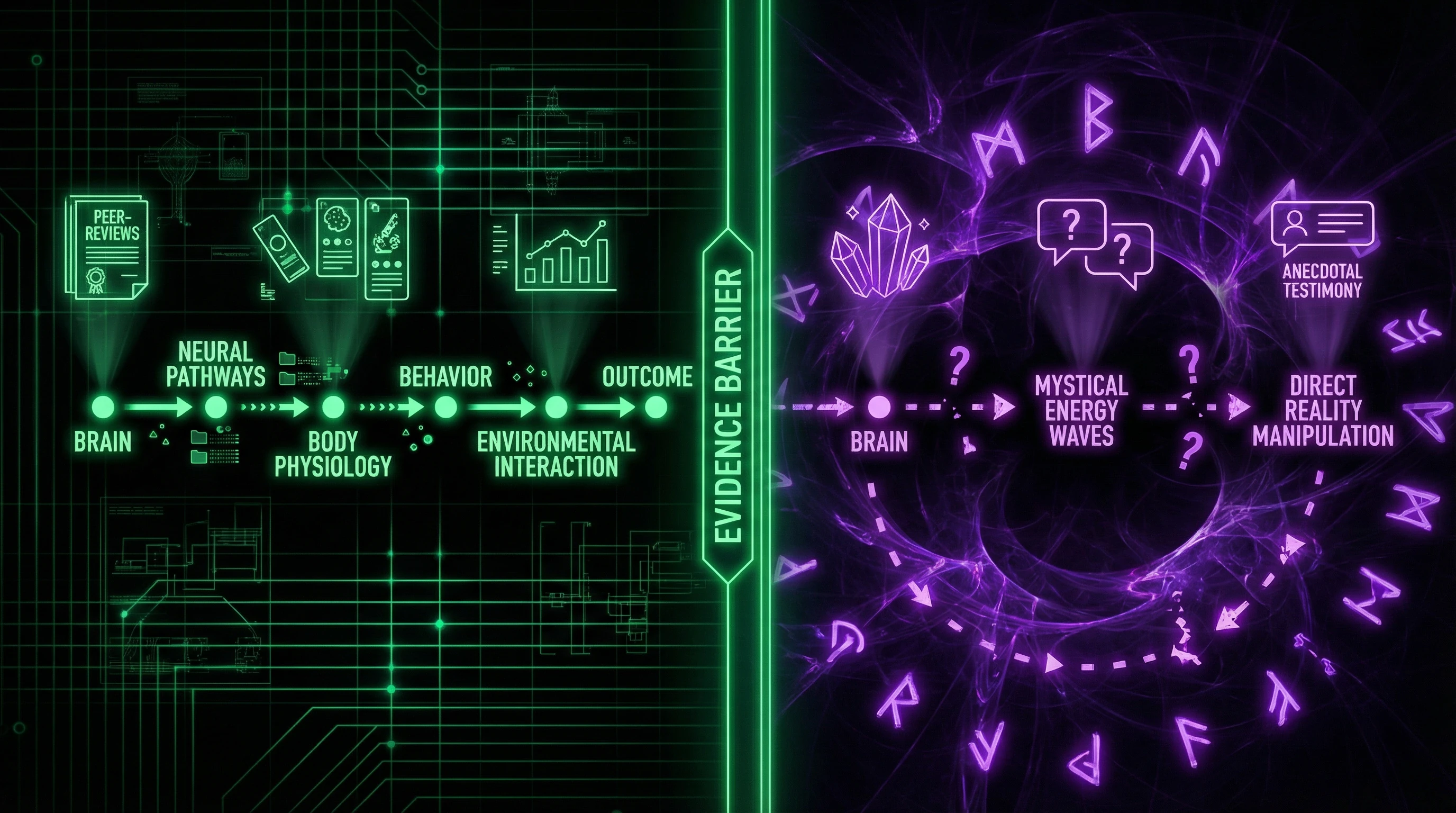
Understanding why people believe in the law of attraction requires analyzing the cognitive mechanisms that create the illusion of cause-and-effect relationships. The brain is not a passive recorder of reality, but an active constructor of models, optimized for survival rather than epistemic accuracy. Learn more in the Epistemology section.
🔁 Mechanism 1: Selective Attention and Confirmation Bias
After a person begins practicing visualization, their attention automatically tunes to information relevant to the desired goal. This is not a mystical effect, but a basic function of the attention system. The reticular activating system in the brainstem filters the sensory stream, allowing through information marked as significant.
Result: the person begins noticing opportunities that always existed but were ignored. These opportunities are interpreted as "attracted" by visualization, when in reality only attention has changed, not external reality.
Information consistent with a belief is processed preferentially — this is a classic example of confirmation bias, not thought magic.
🧩 Mechanism 2: Retrospective Rationalization and Narrative Coherence
The brain constructs narratives linking events into cause-and-effect chains. This process often occurs retrospectively: after an event has happened, the brain searches for preceding factors that could have "caused" it. Visualization performed weeks or months ago easily fits into such a narrative as the "cause" of subsequent success.
People systematically overestimate the degree to which they predicted past events (hindsight bias). After an event occurs, it seems more predictable than it actually was.
- Hindsight bias
- The tendency to overestimate the predictability of past events after they occur. Creates the illusion that visualization "worked," even though the event may have happened independently.
- Narrative coherence
- The brain seeks and constructs cause-and-effect connections between events, even when they are random. This is evolutionarily adaptive but leads to erroneous conclusions about causality.
🕳️ Mechanism 3: Illusion of Control and Agency
The brain has a built-in tendency to attribute events to agency — either its own or external. This is an evolutionarily adaptive mechanism: it's better to mistakenly attribute rustling in the bushes to a predator than to miss a real predator. The cost of a false alarm is lower than the cost of a missed threat.
Applied to the law of attraction: the brain prefers to interpret the coincidence of desire and outcome as a cause-and-effect relationship rather than as chance. The illusion of control correlates with psychological well-being, which explains its resistance to refutation.
The feeling that thoughts influence events is psychologically comfortable — this makes the illusion of control particularly resistant to disproof.
🧷 Mechanism 4: Base Rate Neglect and Availability
People systematically ignore the base rate of events when assessing causality. If a desired event has a base probability of 10%, then even without any effect from visualization, 10% of practitioners will report the method "working." But these 10% will interpret the result as proof of effectiveness, ignoring the 90% of failures.
The availability heuristic amplifies this effect: vivid, emotionally charged cases of "success" are remembered better than numerous cases of no effect.
| Cognitive Mechanism | How It Works | Result for Belief in Law of Attraction |
|---|---|---|
| Selective attention | Brain filters information by relevance | We notice opportunities that were always there, interpret them as "attracted" |
| Retrospective rationalization | Brain constructs cause-and-effect chains after the fact | Visualization is embedded in the narrative as the "cause" of success |
| Illusion of control | Brain attributes coincidences to agency | Coincidence of desire and outcome appears as cause-and-effect relationship |
| Base rate neglect | We don't account for natural probability of event | Random successes are interpreted as proof of the method |
🔬 Neural Correlates of Magical Thinking
Certain cognitive functions, including critical thinking and suppression of intuitive but erroneous responses, depend on the prefrontal cortex. When prefrontal cortex function is reduced — due to age, stress, cognitive load, or lack of sleep — people are more likely to accept magical thinking.
This explains why belief in the law of attraction often intensifies during periods of psychological stress or uncertainty. The brain, overloaded with threat processing, shifts to more primitive, intuitive modes of causal reasoning.
- The prefrontal cortex is responsible for critical thinking and suppressing erroneous intuitions
- Under stress, fatigue, or cognitive load, its function decreases
- The brain shifts to intuitive modes more susceptible to magical thinking
- The illusion of causality becomes more convincing precisely when we are least able to critique it
The connection between belief in the law of attraction and epistemological literacy is not accidental. People with developed critical analysis skills are less likely to fall into the trap of magical thinking because their prefrontal cortex more actively suppresses intuitive but erroneous conclusions about causality.
The law of attraction doesn't contradict neurobiology — it exploits it. The brain works exactly as needed for this illusion to arise.
Understanding these mechanisms doesn't mean that people who believe in the law of attraction are "stupid" or "weak." It means they are using cognitive systems that are evolutionarily optimized for survival under uncertainty, not for epistemic accuracy. Visualization can be useful as a tool for motivation or planning — but not because it magically influences reality, but because it activates attention and goal-setting.
For comparison: synchronicity and twin flames use the same cognitive mechanisms, but in different contexts. All of them are examples of how the brain constructs meaning from noise when critical thinking is weakened.