 🌈 Chakras, Aura, and Energy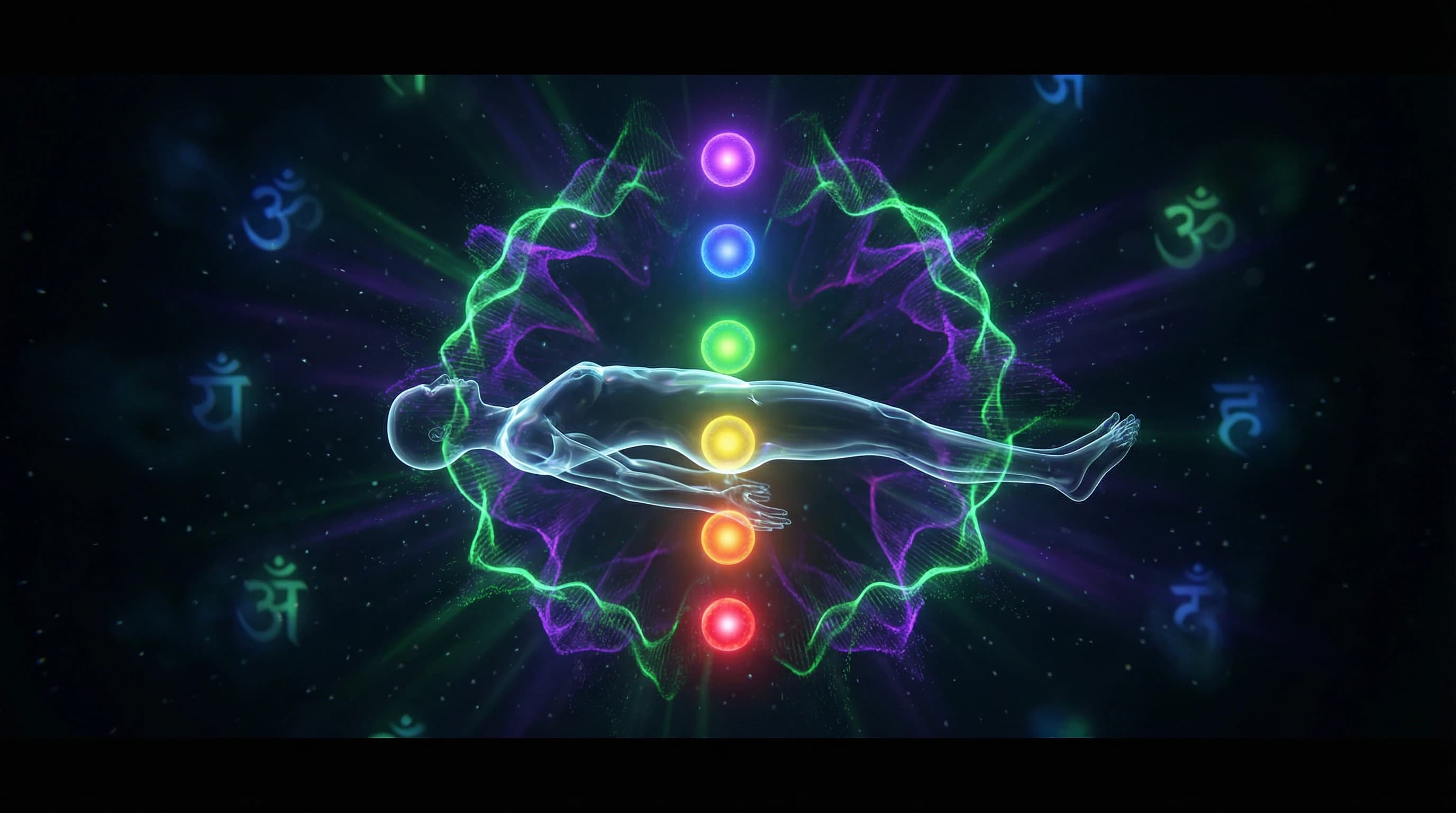
Chakras, Aura, and Human Energy Systems: Traditions and Modernityλ
An exploration of ancient concepts of human energy centers and fields in the context of spiritual traditions, modern practices, and scientific skepticism
Overview
Chakras, aura, subtle energies — 🧩 concepts that originated in Hindu and Buddhist philosophy, and today have become the foundation for thousands of practices: from meditation to "energy healing." Traditional yoga and tantra texts described complex systems of inner work, while modern interpretations often transform them into simplified schemes with colored circles and promises to "unlock potential." Science does not detect chakras or auras — but this doesn't negate the question: why do millions of people find meaning and a tool for self-reflection in these models?
🛡️
Laplace Protocol: This section presents spiritual and esoteric concepts that lack scientific validation. Information is provided for educational purposes to understand cultural and philosophical traditions. We clearly distinguish between traditional beliefs and scientifically established facts, make no medical claims, and recommend critically evaluating commercial "energy diagnostics" and "energy healing" services.
Reference Protocol
Scientific Foundation
Evidence-based framework for critical analysis
Protocol: Evaluation
Test Yourself
Quizzes on this topic coming soon
Sector L1
Articles
Research materials, essays, and deep dives into critical thinking mechanisms.
🌈 Chakras, Aura, and Energy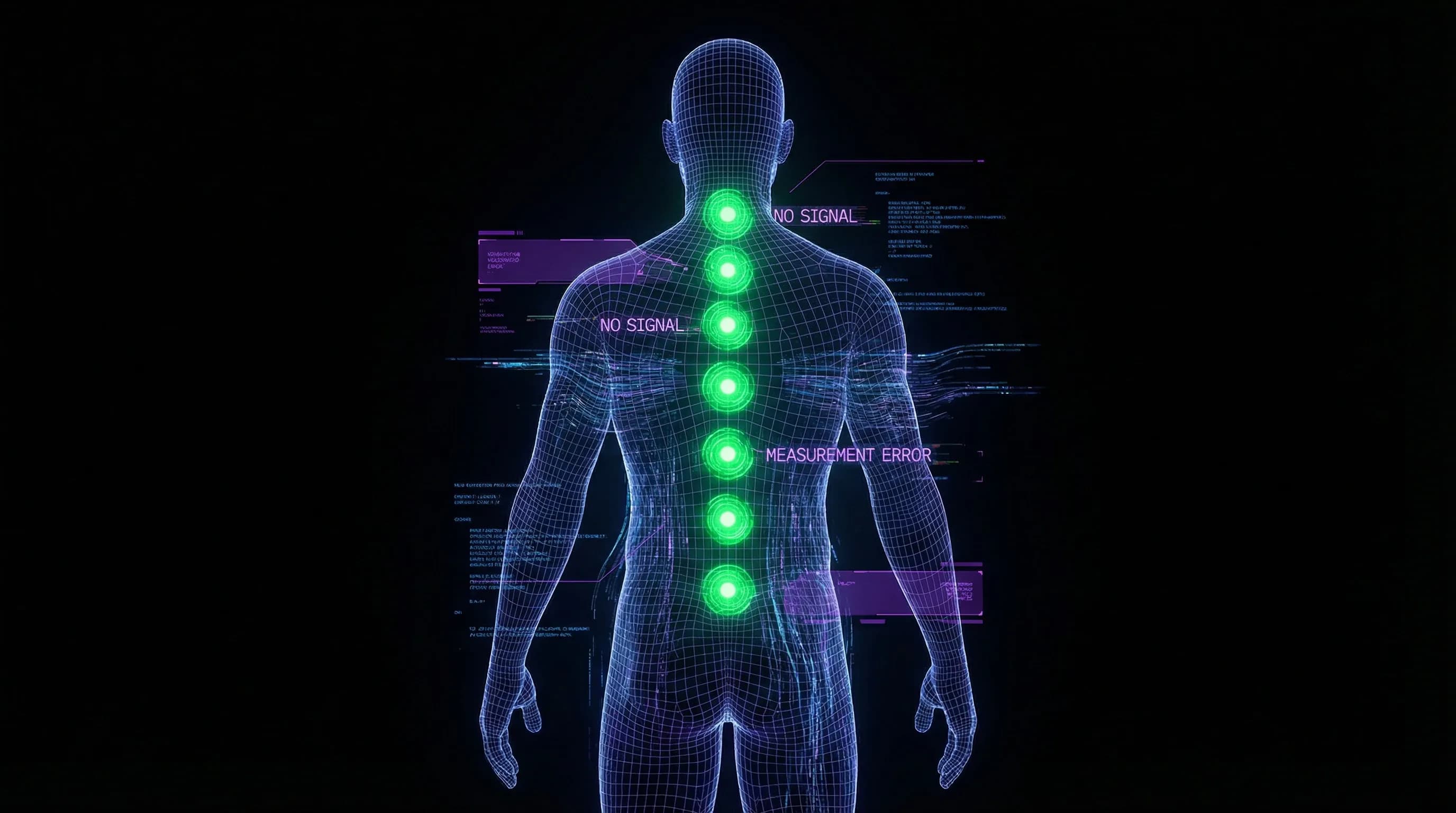 🌈 Chakras, Aura, and Energy
 🌈 Chakras, Aura, and Energy
⚡
Deep Dive
The Chakra System: From Ancient Texts to Modern Interpretations
Seven Primary Chakras and Their Traditional Meaning
The concept of chakras originates from ancient Hindu and Buddhist texts, where they are described as energy centers in the subtle body. In original tantric texts, chakras were viewed as symbolic centers of consciousness, not literal anatomical structures.
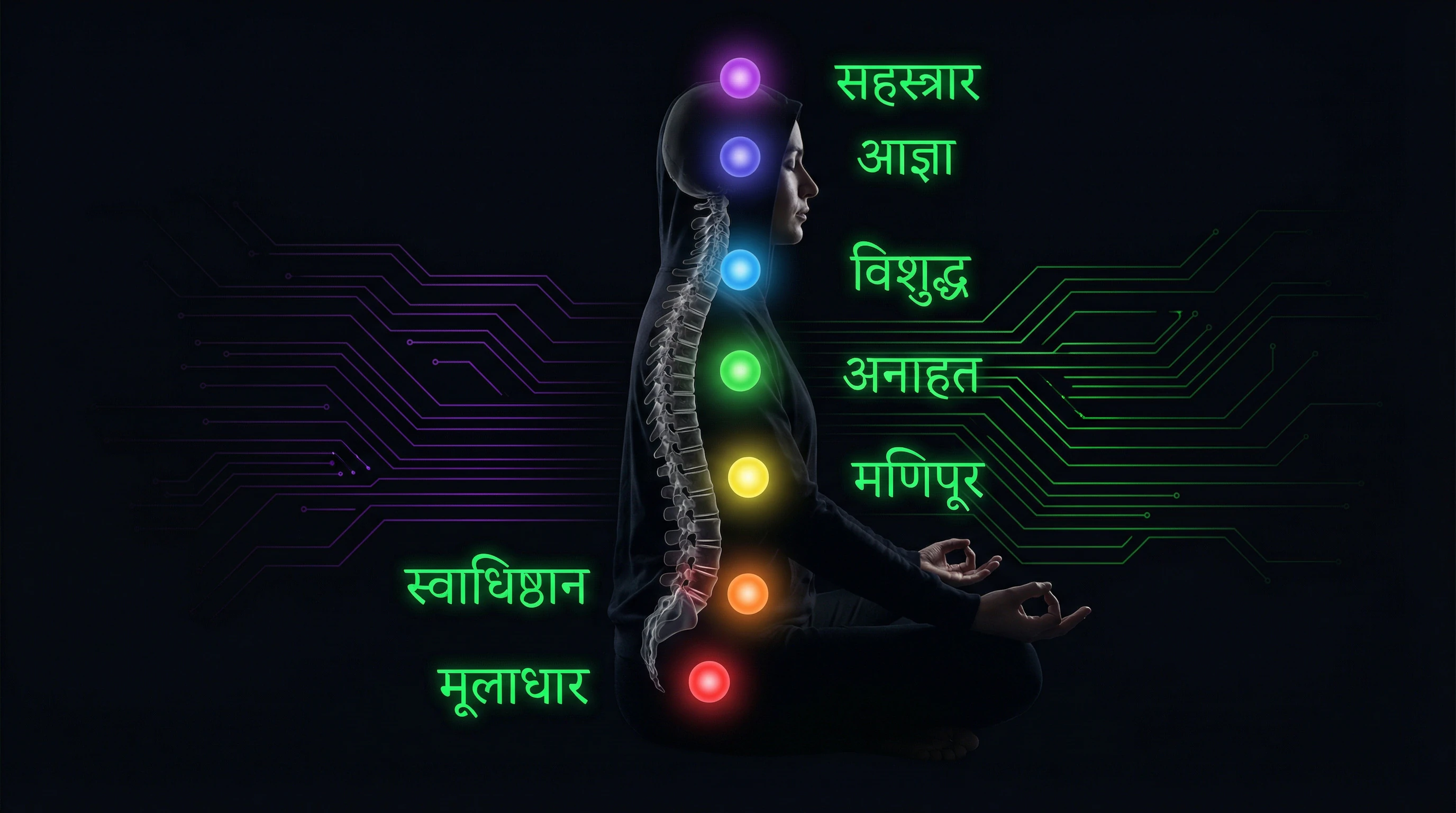
Traditionally, seven primary chakras are identified, located along the spine from its base to the crown of the head. Each is associated with specific physical, emotional, and spiritual aspects of human existence.
| Chakra | Location | Traditional Meaning |
|---|---|---|
| Muladhara | Base of spine | Stability, survival, roots |
| Svadhisthana | Sacrum | Creativity, sexuality, emotions |
| Manipura | Solar plexus | Personal power, will, transformation |
| Anahata | Heart | Love, compassion, connection |
| Vishuddha | Throat | Communication, self-expression, truth |
| Ajna | Between eyebrows | Intuition, wisdom, inner vision |
| Sahasrara | Crown | Spiritual unity, enlightenment |
From Symbolism to Commercialization
Modern interpretations often simplify traditional teachings, presenting chakras as physical objects that can be "opened" or "cleansed" through various practices. This commercialization of ancient spiritual concepts has led to the proliferation of "chakra work" methodologies that differ significantly from original traditions.
The historical context of chakras is connected to meditative practices and spiritual development, not physical health in the modern medical sense. The confusion between symbolic and literal interpretation is the primary mechanism through which ancient concepts transition into the realm of pseudomedicine.
Ajna and Manipura: From Texts to Practices
Ajna, known as the third eye chakra, is located in the area between the eyebrows and is traditionally associated with intuition and inner vision. In classical texts, Ajna is described as the center where three primary energy channels (nadis) merge, symbolizing the transcendence of perceptual duality.
Manipura, located in the solar plexus area, is traditionally linked to personal power and will. In Sanskrit texts, Manipura is described as the "city of jewels," symbolizing inner wealth and strength of spirit.
- Adaptation Mechanism
- Modern self-discovery practices use the concepts of Ajna and Manipura to work with intuition, self-esteem, and personal boundaries, adapting ancient symbols to the psychological needs of contemporary individuals. This reinterpretation is not a distortion—rather, it demonstrates how archetypal images maintain functionality across different contexts.
Aura and Biofield: Concepts of the Human Energy Field
Definitions of Aura in Various Traditions
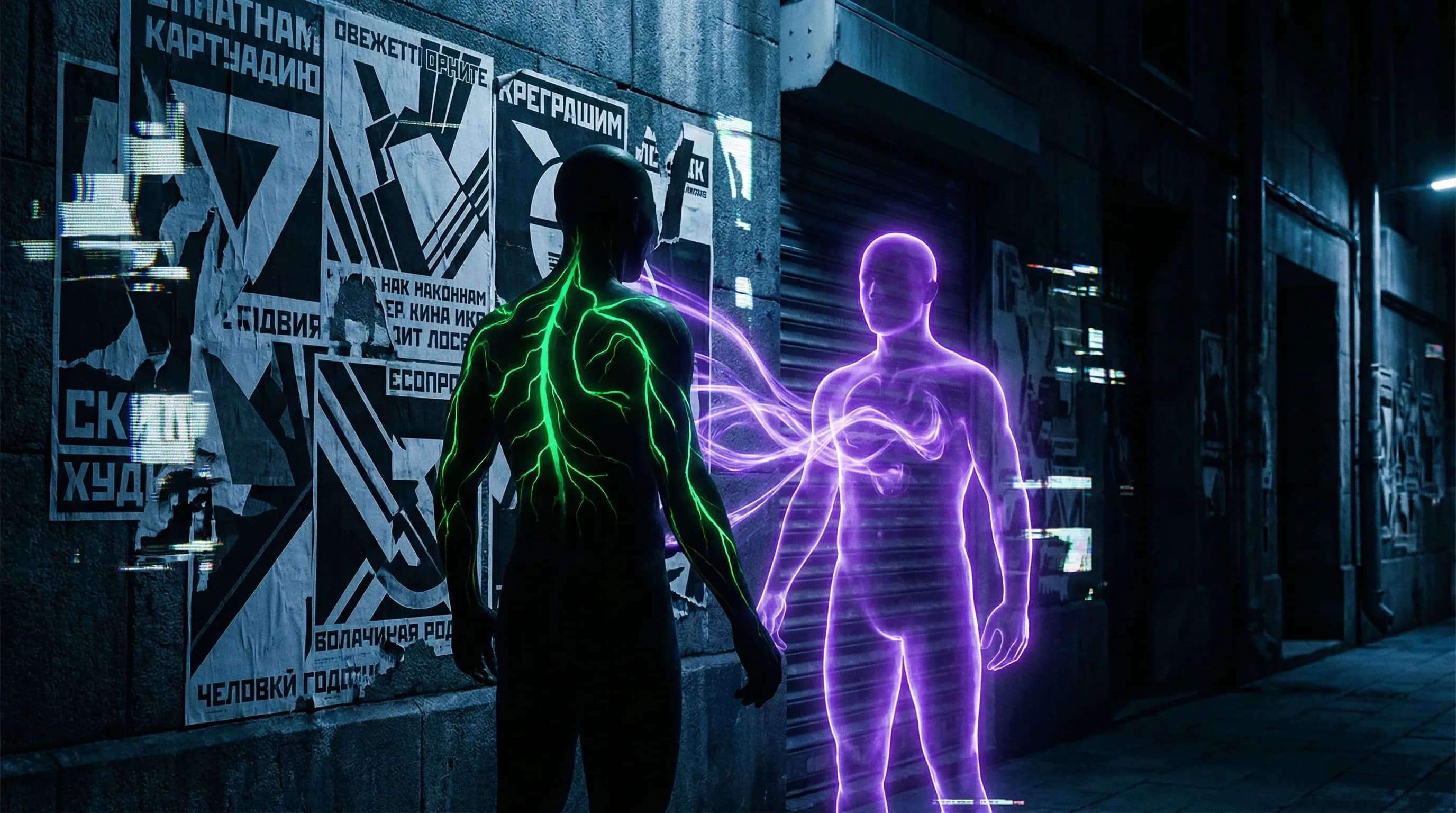
Aura in esoteric traditions — an energy field around the body, allegedly reflecting spiritual, emotional and physical state. Theosophy and anthroposophy describe it as a multi-layered structure: etheric, astral, mental bodies.
Each tradition offers its own version. Christian mysticism connects the aura with the halo of saints, Chinese medicine — with qi surrounding the body. All these descriptions rely on the subjective experience of practitioners, not on objective measurements.
- Modern esoteric schools attribute colors to the aura, each allegedly corresponding to an emotional or spiritual state
- Color interpretations vary between practitioners — a sign of the absence of a unified standard
- The concept is popular in alternative medicine, where aura changes allegedly precede illness or reflect psychological problems
Energy Diagnostic Methods and Their Critical Evaluation
Energy diagnostics claims to measure or visualize the aura. Main methods: Kirlian photography, dowsing (rods, pendulums), subjective "seeing" of the aura.
Kirlian photography (1939) captures corona discharge in a high-frequency electric field. Scientific research has shown: these images reflect moisture, pressure and surface conductivity, not an "energy field".
Critical analysis reveals fundamental problems: results are not reproducible, interpretation depends on the practitioner, methods do not pass controlled blind tests.
Studies by skeptical organizations have repeatedly proven: practitioners cannot reliably identify "energy disturbances" when visual cues and bias are eliminated. Commercialization of energy diagnostics has created a market for devices and services exploiting lack of scientific literacy and people's desire to find alternative explanations for health problems.
Scientific Perspective: What Modern Science Says About Chakras and Aura
Absence of Empirical Evidence for the Existence of Chakras and Aura
Modern science has not found empirical evidence for the existence of chakras, aura or "subtle energies". Studies with sensitive equipment for measuring electromagnetic fields, thermal radiation and other physical parameters have not revealed anomalous energy structures corresponding to descriptions in esoteric traditions.
Anatomical studies have not found physical structures at the supposed locations of chakras that differ from surrounding tissues.
- Emily Rosa's experiment (1998, JAMA): therapeutic touch practitioners did not detect the presence of a hand over their own hand better than random guessing.
- Controlled attempts to scientifically confirm the existence of aura have consistently yielded negative results.
- The absence of scientific evidence does not mean the invalidity of subjective experience, but indicates: these concepts do not describe objectively measurable physical phenomena.
Psychological and Placebo Effects of Energy Practices
Practices related to chakras and aura have real psychological impact, though the mechanisms are different. Chakra meditation, aura visualization include elements of mindfulness, deep breathing and focused attention — all of which have documented positive effects on mental state.
These practices reduce stress, improve self-awareness and promote relaxation through mechanisms well-studied in psychology and neuroscience, without the need to postulate the existence of "subtle energies".
The placebo effect plays a significant role in the perceived effectiveness of energy practices. Belief that chakras are being "cleansed" or aura "restored" activates the body's own self-healing mechanisms, improves mood and reduces pain perception.
- Rituals and Meaning Structure
- The practitioner's attention and creation of a meaningful framework for understanding one's state have therapeutic value independent of the theoretical basis of the practice.
- Practical Consequence
- Understanding psychological mechanisms allows extracting benefit from energy practices, without literally accepting their metaphysical claims.
Cultural Roots and Modern Adaptation of Eastern Teachings
Hindu and Buddhist Sources of the Chakra Concept
The concept of chakras emerged in ancient Hindu texts, particularly in tantric traditions from the 6th–10th centuries. In classical sources such as the "Sat-Chakra-Nirupana" (1577), a system of seven energy centers along the spine is described, each with its own deities, mantras, colors, and psychophysical functions within the context of yogic practice and spiritual liberation.
Buddhist tantric traditions, especially Tibetan, developed their own systems of energy channels (nadi) and centers for meditative practices aimed at achieving enlightenment.
- Key Distinction of Original Context
- Chakras were not considered physical objects, but symbolic maps for meditation and visualization. Traditional texts used poetic language for experienced practitioners under the guidance of a teacher.
- Integrated System
- The chakra system was part of a complex structure: ethical precepts, breathing techniques, physical postures, prolonged meditation—not an isolated concept for diagnosis or separate treatment.
Transformation of Eastern Teachings in Western New Age Culture
Western familiarity with chakras began in the late 19th century through Helena Blavatsky's theosophical movement, which synthesized Hinduism, Buddhism, and Western occultism. In the 1920s, Charles Leadbeater published "The Chakras," radically reinterpreting the Indian concept: he added color associations, connections to endocrine glands, and the idea that chakras are visible to clairvoyants as luminous vortices.
This interpretation had no direct parallels in the original Sanskrit texts, but became the foundation for most modern Western conceptions of chakras.
In the 1960s–1970s, the New Age movement popularized a simplified version, detached from religious context. Modern Western interpretations focus on psychological associations ("the heart chakra is connected to love"), color therapy, and the idea of "balancing" chakras with crystals, essential oils, or sound frequencies.
- Commercialization mechanism: complex spiritual system simplified into a consumer product
- Detachment from context: practices separated from ethics, philosophy, and prolonged training
- Reinterpretation: Western psychological categories imposed on Eastern symbols
- Result: a system that functions as a marketing tool rather than transformation
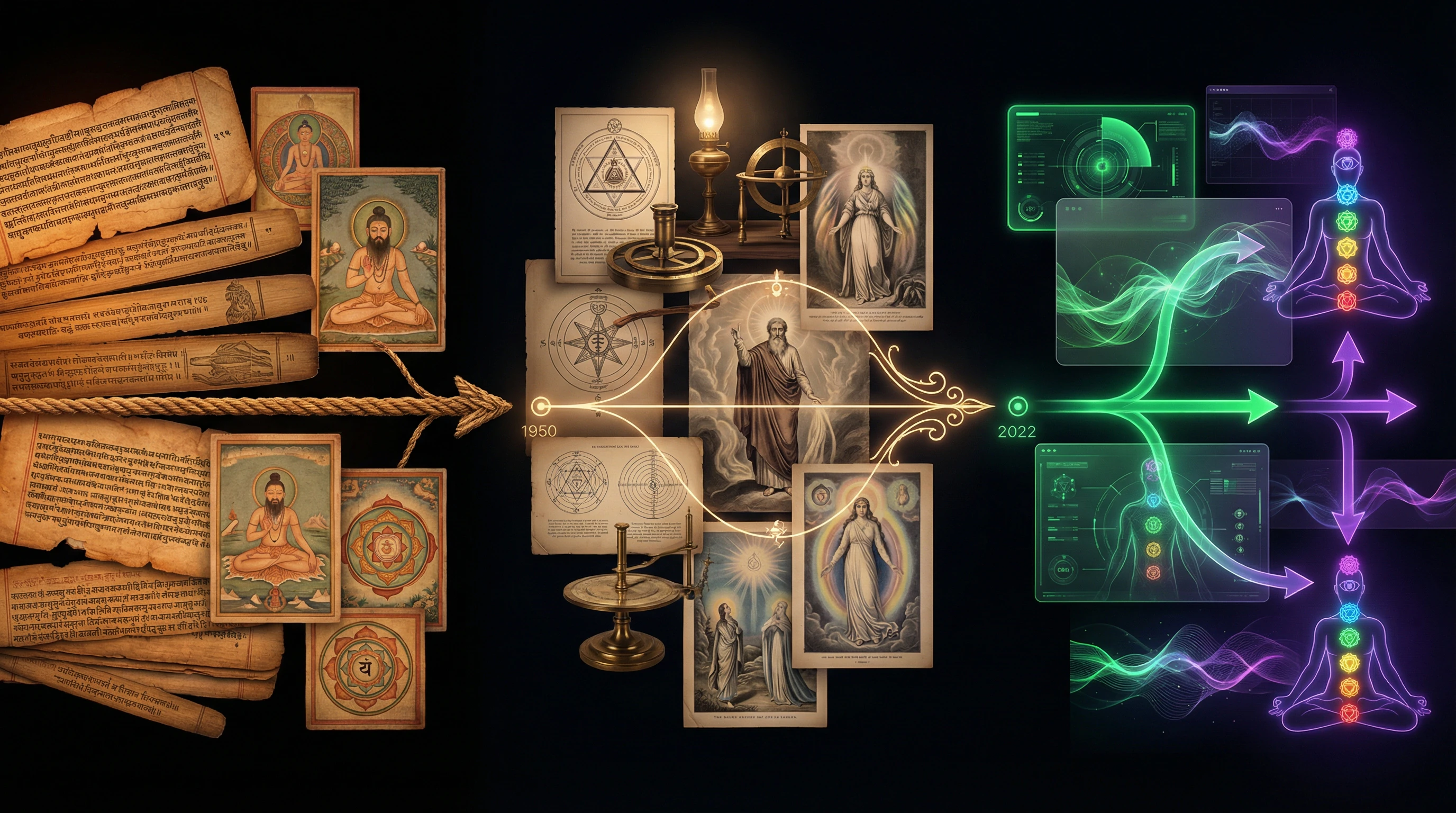
Energy Work Practices: Meditation and Mindfulness
Scientifically Validated Effects of Meditation
Mindfulness meditation reduces anxiety, depression, and chronic stress, improves sleep and emotional regulation. Meta-analyses confirm these effects at the population level.
Neuroimaging shows: regular practice increases gray matter density in the prefrontal cortex and hippocampus — areas governing attention, self-awareness, and empathy. Physiologically, meditation lowers cortisol, improves heart rate variability, and modulates inflammatory processes.
These effects are achieved through documented neurobiological mechanisms, regardless of whether the practitioner accepts the concept of chakras or energy fields. Meditation works on its own.
Visualization Techniques and Their Psychological Impact
Visualization is a powerful tool in clinical psychology. Guided imagery is used for anxiety, PTSD, and chronic pain. When a practitioner visualizes "cleansing" a chakra, the same neural networks activate as during actual perception.
Vivid visualization modulates the autonomic nervous system: affecting heart rate, breathing, and muscle tension. Color associations with chakras leverage psychological effects of color on mood.
- Focusing attention on body parts enhances interoceptive awareness (perception of internal sensations)
- Positive mental imagery activates reward systems in the brain
- The ritualistic nature of practice provides structure and predictability that reduce anxiety
Chakra visualization practices are therapeutically beneficial not because chakras exist as physical objects, but because they provide an effective framework for directed meditation and self-regulation.
Critical Thinking: Myths, Misconceptions, and Commercialization
Common Myths About "Scientific Validation" of Chakras
One of the most widespread myths claims that chakras are "scientifically proven" and correspond to endocrine glands or nerve plexuses. While some chakras are anatomically close to important physiological structures (for example, the Manipura chakra is located in the solar plexus area), this does not establish a causal relationship.
The endocrine system functions through hormonal signals and feedback loops, fully explainable within the framework of biochemistry and physiology. Attempts to link chakras with scientific concepts represent retrospective rationalization rather than the result of empirical research.
Anatomical proximity does not equal functional identity. Coincidence of location is not proof—it's coincidence.
Another myth concerns "energy diagnostics" and the ability to measure or photograph the aura. Kirlian cameras capture corona discharge—an electrical phenomenon in high-voltage photography that depends on humidity, pressure, and other physical factors unrelated to any "energy field."
Scientific research has not found reproducible evidence of a measurable energy field around the human body distinct from known electromagnetic fields produced by nervous and muscular activity. Claims about "diagnosing" chakras or auras lack validated methodology and cannot be verified by independent observers.
Commercial Exploitation of Spiritual Concepts and Consumer Protection
The chakra, aura, and energy healing industry is a multi-billion dollar market: books, seminars, certification programs, crystals, essential oils, singing bowls, healer services. Many products are sold with unsubstantiated health claims, promising treatment of serious conditions without scientific evidence of efficacy.
Commercialization exploits the vulnerability of people with chronic illnesses or in crisis situations, offering expensive alternatives instead of or in addition to evidence-based medicine.
- Promises of guaranteed cures for serious diseases
- Demands to discontinue conventional medical treatment
- Lack of transparency in methodology and mechanisms of action
- High costs without clear justification
- Pressure to purchase additional services or products
- Use of pseudoscientific terminology to create an appearance of legitimacy
Regulatory agencies in different countries approach this field differently. Consumers should remember: practices related to chakras and auras do not replace professional medical care for serious physical or mental health conditions.
Spiritual practices may complement, but should not replace, evidence-based medicine and psychotherapy.

Knowledge Access Protocol
FAQ
Frequently Asked Questions
Chakras are energy centers in the body according to Hindu and Buddhist traditions, classically seven main ones. They are located along the spine from the base to the crown and are associated with various aspects of physical and spiritual health. There is no scientific evidence of their physical existence, but the concept is widely used in meditative practices.
There are no scientifically validated methods for visualizing auras as energy fields. Some people claim to see colored glows around the body, but this can be explained by optical illusions or synesthesia. Devices for "photographing auras" are based on the Kirlian effect, which captures skin moisture and electrical conductivity, not a mystical field.
Chakras and auras themselves have no scientific confirmation as physical phenomena. However, meditation and breathing practices, often associated with working on "energy," show real effects: reduced stress, improved concentration, and emotional regulation. These effects are explained by neurophysiology, not the movement of mystical energy.
Ajna, or the third eye chakra, is located in the area between the eyebrows and is traditionally associated with intuition, wisdom, and imagination. In spiritual practices, it is considered the center of clairvoyance and inner knowledge. Working with it includes meditation and visualization, which can improve concentration and self-awareness through psychological mechanisms.
Traditional methods include meditation, yoga, breathing exercises (pranayama), and visualization of colors corresponding to each chakra. These practices help relax and focus, creating a sensation of "energy flow." It's important to understand that the effect is achieved through psychological impact and mindfulness, not through manipulation of actual energy.
Chakras are not detected by modern methods of anatomy, physiology, or physics—there are no measurable energy centers in the indicated locations. The concept arose in a religious-philosophical context, not as a description of physical reality. The absence of reproducible experimental data makes chakras a metaphor rather than a scientific fact.
The concept of chakras came to the West from Hindu and Buddhist texts, especially through the theosophical movement of the late 19th century. In the 1960s-70s, it was adapted by the New Age movement, often with simplification and distortion of the original teachings. Modern Western interpretation differs significantly from traditional Eastern practices.
Energy diagnostics is the practice of "reading" the state of auras or chakras, which has no scientific validation. There are no standardized, verified methods for measuring "biofields." The results of such diagnostics are subjective and not reproducible, making them unreliable from the standpoint of evidence-based medicine and science.
Meditation, including chakra visualization, can improve psychological state, reduce anxiety and stress. These effects are confirmed by research and are associated with activation of the parasympathetic nervous system. However, improvement occurs not because of "energy cleansing," but due to relaxation and mindfulness.
Some modern interpretations link chakras with endocrine glands, but this is a later Western adaptation absent from the original texts. Anatomically, such correspondences are arbitrary and not confirmed by physiology. This is an attempt to give an ancient metaphysical concept pseudoscientific legitimacy.
The popularity is explained by people's need for spiritual seeking, self-discovery, and alternative self-care methods. Commercialization of these services exploits attractive promises of quick results. Lack of regulation and critical thinking among consumers contributes to the spread of unproven practices.
Traditional Hindu and Buddhist texts describe chakras as part of a complex spiritual practice and philosophy of liberation. The modern Western version simplifies the system into a psychological self-help tool, often ignoring the religious context. Commercialization and New Age movements have added elements absent from the original teachings.
There are no scientifically validated instruments for measuring chakra or aura energy. Devices sold for these purposes typically measure skin conductivity, temperature, or other physical parameters, interpreting them arbitrarily. No such device has passed independent scientific verification.
Manipura is the solar plexus chakra, associated with personal power, confidence, and willpower. Practices include breathing exercises, visualization of yellow color, and affirmations. Psychologically, this helps develop self-esteem and determination through focused attention and self-suggestion.
Meditative practices themselves are generally safe, but problems arise when people reject medical care in favor of "energy healing." Financial exploitation and psychological dependence on "healers" also present risks. Critical thinking and seeking evidence-based medicine for serious problems are essential.
The effect is explained by psychological mechanisms: placebo, self-suggestion, relaxation, and expectation effects. Meditation and visualization genuinely affect the nervous system and emotional state. The subjective sensation of "energy" is real as a psychological experience, but does not prove the existence of mystical energy centers.