 🔍 Pseudo-Debunkers
Pseudo-Debunkers: When Criticism Becomes Manipulationλ
A study of the pseudo-skeptic phenomenon, where individuals spread disinformation under the guise of debunking, serve hidden agendas, and discredit genuine scientific inquiry.
Overview
Critical thinking is a tool for protection against manipulation, but what happens when criticism itself becomes a weapon of disinformation? Pseudo-debunkers disguise propaganda as scientific skepticism 🧩: cherry-picked facts, strawman arguments, ad hominem attacks instead of evidence. The phenomenon is especially visible in debates about space, history, and technology—where emotions override source verification.
🛡️
Laplace Protocol: Critical thinking requires distinguishing between legitimate skeptical inquiry and bad-faith manipulation. We analyze the hallmarks of pseudo-debunking without endorsing conspiracy theories or oversimplifying complex epistemological questions.
Reference Protocol
Scientific Foundation
Evidence-based framework for critical analysis
Protocol: Evaluation
Test Yourself
Quizzes on this topic coming soon
Sector L1
Articles
Research materials, essays, and deep dives into critical thinking mechanisms.
🔍 Pseudo-Debunkers⚡
Deep Dive
How the "pseudo-" prefix became a weapon in information wars
The term "pseudo-debunkers" is a productive word-formation model in modern English. The prefix "pseudo-" is used to create pejorative designations, especially in journalistic and polemical discourse.
Unlike neutral scientific terms, this word formation carries a pronounced evaluative load and is used primarily in contexts of ideological confrontation. The term functions as a rhetorical tool, allowing the focus of discussion to shift from the content of arguments to the motives and methods of the opponent.
The accusation of "pseudo-debunking" itself becomes a form of debunking, often without strict verification criteria.
Usage analysis shows the spread of the term in the English-speaking internet space since the mid-2010s, especially in communities associated with conspiracy theories, alternative history, and criticism of official narratives. This creates a paradoxical situation: criticism itself becomes the object of criticism.
The "pseudo-" prefix in modern English
The word-formation model with the prefix "pseudo-" demonstrates high productivity in media and journalistic discourse. The prefix of Greek origin (ψευδής — false) attaches to nouns and adjectives, creating the meaning of falseness, spuriousness, or imitation.
- Academic usage
- Designation of phenomena claiming a certain status without corresponding substance: pseudoscience, pseudo-art, pseudo-expert.
- Polemical usage
- Discrediting an opponent's position through linguistic marking, regardless of actual content.
A distinctive feature of the term "pseudo-debunkers" is its reflexive nature: it describes those who themselves engage in debunking, but allegedly incorrectly or with hidden motives. This double reflection creates a complex semantic structure where what is criticized is not the act of debunking itself, but its authenticity and methodology.
Productive word-formation models
The model "pseudo- + agentive noun" is actively used to create designations for persons whose activities are called into question. Besides "pseudo-debunkers," we encounter: pseudo-historians, pseudo-journalists, pseudo-experts.
- All these terms share a common pragmatic function — delegitimization of professional or expert status.
- Criteria for distinguishing between "real" and "fake" are rarely made explicit.
- The distinction depends on the ideological position of the speaker, not on objective parameters.
Such word-formation models are especially productive in conditions of information polarization, when different groups compete for the right to define what constitutes true knowledge. The prefix "pseudo-" becomes a marker of the boundary between "real" and "fake" representatives of a given activity, turning the term into an instrument of rhetorical struggle rather than objective categorization.
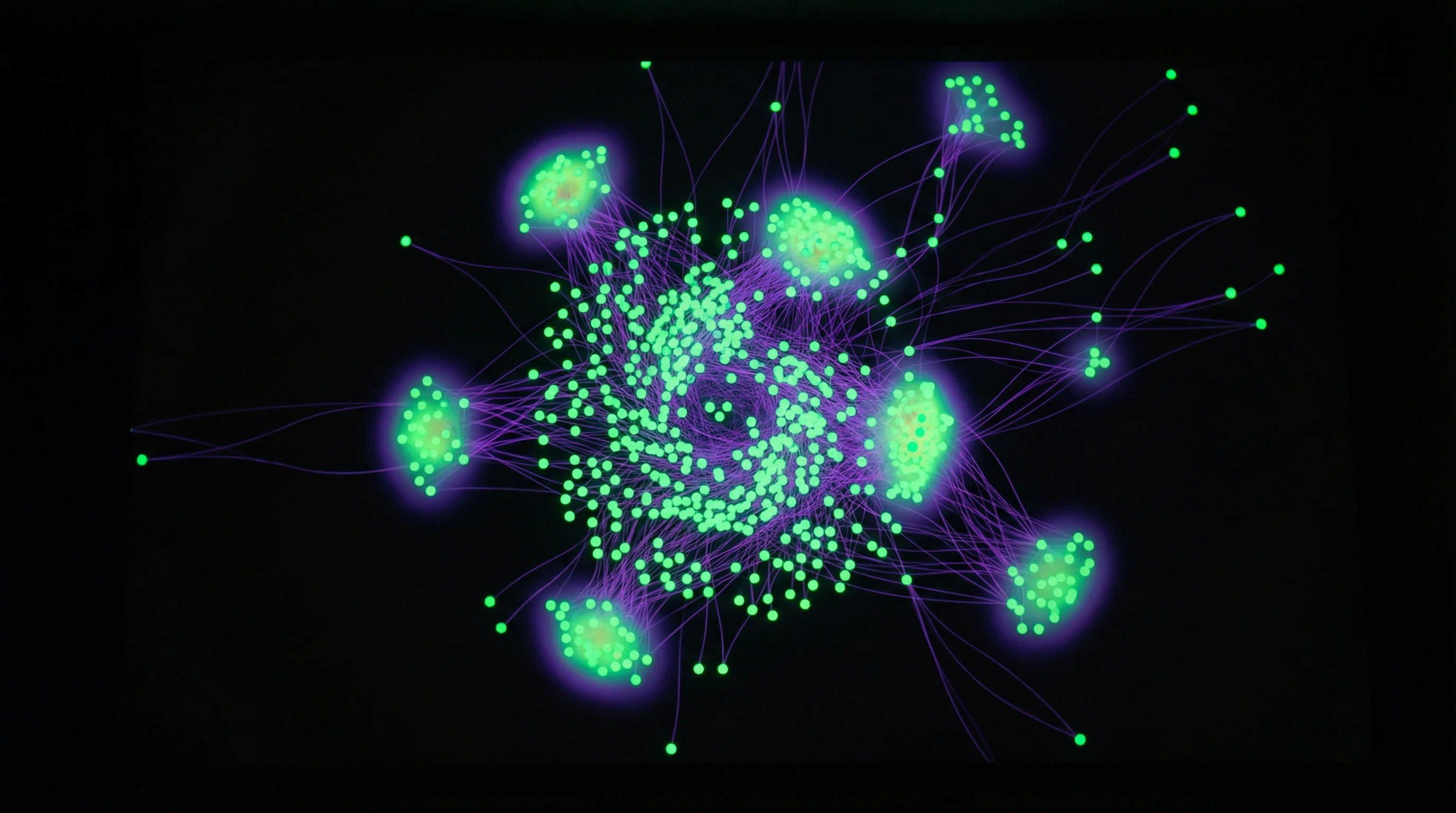
Five Signs Used to Identify Pseudo-Debunkers
In English-speaking online discourse, a consistent set of characteristics has emerged that are attributed to "pseudo-debunkers." These signs function as diagnostic criteria, allowing proponents of alternative theories to identify and discredit their opponents.
Important: these characteristics are not the result of systematic scientific analysis, but rather rhetorical constructs used for polemical purposes.
Commercial Motivation and Sensationalism
The central accusation is alleged commercial motivation and pursuit of sensationalism to attract audiences. Critics claim that content creators produce material not to seek truth, but to monetize through advertising, donations, and selling information products.
| Who Is Accused | Logical Problem |
|---|---|
| YouTube channels debunking conspiracy theories | Commercial motivation doesn't invalidate information accuracy |
| Professional journalists, science communicators | Also receive compensation, but aren't called "pseudo-debunkers" |
| Conspiracy content creators | Monetize their activity, but rarely face similar criticism |
The commercialization criterion is applied selectively—this signals confirmation bias, not objective evaluation.
Selective Use of Evidence
The second accusation is selective citation of sources and ignoring inconvenient facts. Accusers claim that debunkers omit data supporting alternative theories and focus only on easily refutable aspects.
Paradox: this very accusation often demonstrates the same selectivity problem. Critics ignore scientific consensus, independent verification results, and expert explanations that don't fit their narrative.
Research shows: both sides are prone to confirmation bias—the tendency to seek and interpret information in ways that confirm preexisting beliefs. The accusation of selectivity becomes mutual and doesn't bring us closer to objective evaluation of arguments.
Rhetorical Manipulation Instead of Analysis
The third characteristic is using rhetorical techniques, emotional appeals, and ad hominem arguments instead of systematic analysis. Critics point to ridiculing opponents, derogatory labels ("conspiracy theorists," "tinfoil hatters"), and appeals to the authority of official sources without critical examination of their arguments.
Analysis of the discourse about "pseudo-debunkers" itself reveals active use of the same strategies: emotionally charged language, generalizations, conspiratorial explanations of opponents' motives. The term "pseudo-debunker" itself is a rhetorical label for discrediting without detailed refutation of specific arguments.
This creates a situation of mutual accusations of manipulation, where criteria for good-faith argumentation become blurred, and discussion turns into an exchange of accusations.
Geographic Application: From Space to Archaeology
The term "pseudo-debunkers" works everywhere mainstream scientific consensus collides with alternative theories. The logic is consistent: accuse defenders of established views of bias and manipulation.
Space Research and Skepticism
Discussions about the moon landing and Martian missions are the most active zone for applying the term. Conspiracy theory proponents call those who refute their arguments with NASA scientific data "pseudo-debunkers."
Typical scenario: critics point to objects in Mars photographs allegedly resembling artificial structures. When specialists explain this through pareidolia and geology, they're accused of concealing evidence of extraterrestrial life. Any explanation that doesn't support the sensation automatically becomes manipulation.
The dynamic is universal: defending the mainstream position = automatic suspicion of bias, regardless of argument quality.
Historical Revisionism
The second significant area involves disputes about World War II: the Battle of Kursk, the Siege of Leningrad, the scale of casualties. Authors of alternative narratives accuse academic historians of distorting facts and serving political interests.
The Historical Society becomes a target when it refutes revisionist theories. Critics claim that official historiography serves propaganda. But alternative historians themselves rarely apply rigorous source criticism—preferring selective citation of memoirs and unverified documents.
| Approach | Method | Result |
|---|---|---|
| Academic | Source criticism, cross-verification | Accusation of "pseudo-debunking" |
| Revisionist | Selective citation, memoirs | Positioning as "alternative truth" |
Archaeological Disputes and Technology Criticism
Theories about ancient contact and antediluvian technologies generate accusations against academic archaeologists. When they explain pyramids, the Harappan civilization, or megaliths through known methods, they're called "pseudo-debunkers."
The term has expanded into technology disputes—for example, discussions about messenger security. App critics accuse defenders of "pseudo-debunking" user concerns. The logic is the same: any defense of the mainstream position is interpreted as manipulation, and the term serves as a universal discrediting tool without examining arguments.
- Alternative theory proposes sensational explanation
- Mainstream expert provides counterarguments
- Expert is declared a "pseudo-debunker"
- Discussion of facts is replaced by discussion of motives
Epistemological Challenges: When Criticism Becomes a Weapon
The Problem of Defining Truth in Polarized Discourse
The central problem of the "pseudo-debunker" phenomenon is the absence of universally accepted criteria for truth in public debates. Linguistic research documents the productivity of the prefix "pseudo-" in contemporary English as a tool for creating pejorative designations, but offers no methodology for distinguishing genuine from false debunking.
Each side of the conflict operates within its own epistemological framework: for conspiracy communities, "truth" is defined through distrust of official sources, while for academic discourse it's defined through reproducibility and peer-review.
Result: the term "pseudo-debunker" is applied arbitrarily depending on the accuser's worldview, transforming from an analytical category into a rhetorical weapon.
The Role of Confirmation Bias in Forming Accusations
The psychological mechanism of confirmation bias creates a closed loop in debates. Users systematically interpret any actions by opponents as confirmation of their bad faith: if a critic provides evidence—it's "data manipulation," if they don't provide it—"lack of arguments."
| Debunker's Action | Opponent's Interpretation | Result |
|---|---|---|
| Provides scientific evidence | "Propaganda and manipulation" | Reinforcement of distrust |
| Doesn't provide evidence | "Lack of arguments" | Reinforcement of distrust |
| Remains silent or withdraws from debate | "Admission of defeat" | Reinforcement of distrust |
In debates about the moon landing, proponents of conspiracy theories perceive NASA's explanations as "propaganda," while simultaneously accepting alternative theories without critical examination. The more actively a debunker attempts to provide evidence, the more strongly the belief in their "pseudo-" nature is reinforced among opponents.
Distinguishing Legitimate Criticism from Manipulative Debunking
Methodological problem: the absence of clear criteria for distinguishing good-faith skepticism from manipulative "pseudo-debunking." Academic sources point to the need to evaluate methodology, source transparency, and willingness to falsify as markers of a scientific approach, yet in public discourse these criteria are ignored.
- Check methodology: does the author use systematic analysis or selective examples
- Evaluate sources: are primary sources cited or only secondary interpretations
- Identify willingness to falsify: does the author propose conditions under which their theory would be proven wrong
- Analyze financial incentives: does the creator benefit from sensationalism regardless of accuracy
In historical debates about the Battle of Kursk, both sides accuse each other of selective use of archival documents, yet neither offers systematic analysis of the entire corpus of sources. Content commercialization exacerbates the situation: creators of sensational materials receive financial benefit regardless of the accuracy of their claims, incentivizing the production of increasingly radical "exposés."
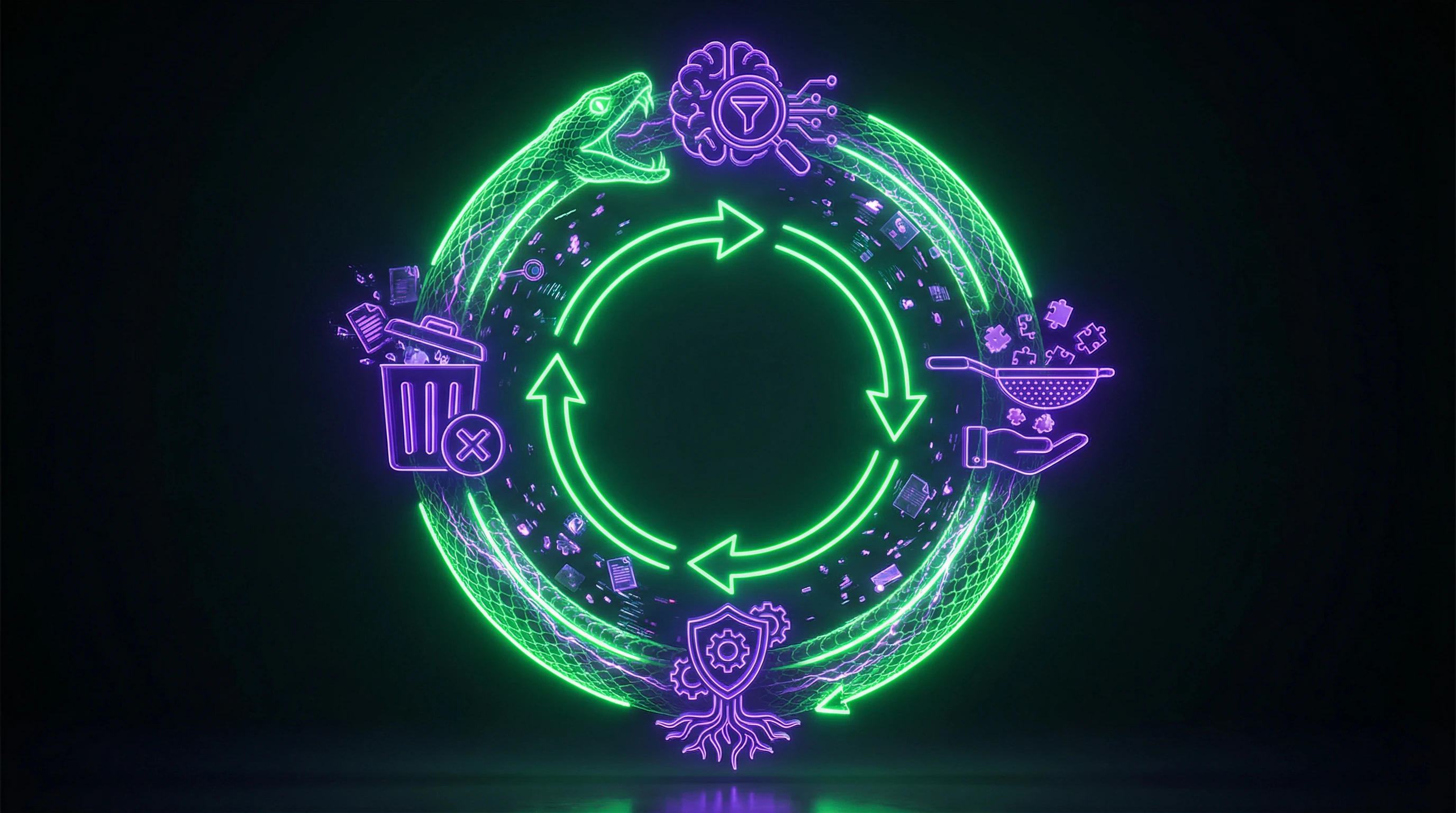
Media Literacy and Evaluation Criteria: Tools for Protection Against Manipulation
Signs of Legitimate Skepticism
Legitimate skepticism differs from manipulative "pseudo-debunking" through three key characteristics. Methodological transparency: a legitimate critic describes the analysis process in detail, provides access to primary sources, and acknowledges the limitations of conclusions.
Willingness to be falsified: a legitimate researcher formulates conditions under which their hypothesis can be disproven. "Pseudo-debunkers" construct unfalsifiable conspiracy theories—impossible to test or refute by definition.
Financial independence from sensationalism. Scientific publications undergo peer review regardless of the "spectacle" of results, whereas commercial content directly depends on clickable headlines and virality.
Red Flags of Manipulation in Debunking Content
Persistent patterns of manipulative behavior are easily recognized through careful analysis. Appeal to emotions instead of facts: dramatic headlines like "Shocking Truth" or "What They're Hiding From You" without verifiable evidence.
Ad hominem attacks instead of addressing arguments: focus shifts to the opponent's personality, motives, or affiliations. This is particularly characteristic of discussions about space programs and historical events, where criticism of the person replaces criticism of the idea.
- False dichotomy: the situation is presented as a choice between "official lies" and "alternative truth," ignoring nuanced positions
- Selective quoting: phrases taken out of context to create the impression of supporting a conspiratorial version
- Absence of references to primary sources or references to other secondary sources instead of originals
Tools for Source Verification and Fact-Checking
Practical media literacy requires mastery of specific verification tools. Source domain analysis: academic publications on platforms like JSTOR possess significantly greater reliability than anonymous blogs or forums.
| Verification Criterion | Reliable Source | Warning Signal |
|---|---|---|
| Cross-verification | Claim confirmed in independent sources and scientific literature | "Debunking" exists only in one internet segment |
| Primary sources | Reference to original documents, accessible for verification | Interpretation of real documents without access to originals |
| Author expertise | Relevant education, publications in peer-reviewed journals, recognition in professional community | Anonymity, lack of qualifications in the field, conflict of interest |
Verification of primary sources is critical: many "pseudo-debunkings" are based on distorted interpretation of real documents, and consulting originals often refutes sensational claims. The presence of relevant education and publications in peer-reviewed journals serves as an indicator of competence, though it doesn't guarantee absolute correctness.
Political and Cultural Context: Nationalism and the Commercialization of Truth
English-Language Discourse and Patriotic Narratives
The phenomenon of "pseudo-debunkers" in English-language internet spaces is closely tied to nationalist discourse. Analysis of materials from historical preservation organizations shows the term is actively used to discredit critics of official historical narratives, particularly regarding World War II.
Any attempts to revisit established interpretations—the Battle of Kursk, strategic decisions—are immediately labeled as "pseudo-debunking," allegedly serving "Western interests." This logic subordinates historical scholarship to political expediency: researchers with archival documents risk being accused not of scholarly error, but of ideological subversion.
- Official interpretation of an event → sacred
- Alternative reading of archives → automatically hostile
- Scholarly debate → reframed as political conflict
- Researcher → becomes enemy of the state
Defense Mechanisms of Conspiracy Communities
Conspiracy communities have developed a robust defense mechanism: accusing opponents of "pseudo-debunking." Discussions about the moon landing demonstrate the pattern—any scientific explanations of photographic "anomalies" are interpreted not as refutation, but as proof of an "army of paid NASA trolls."
The more evidence provided, the larger the conspiracy appears. The belief becomes practically unfalsifiable.
Similar logic appears in debates about ancient civilizations: archaeologists refuting theories about the Harappan civilization are accused of "concealing the truth" and protecting an academic monopoly.
Commercialization of Debunking Content
The economic model of modern media creates powerful incentives for sensational content regardless of accuracy. Analysis of blogs and YouTube channels shows materials with headlines like "Exposing the Lies About..." generate significantly more views and monetization than balanced scientific analysis.
| Content Type | Engagement | Financial Incentive |
|---|---|---|
| Sensational exposé | High | Strong |
| Nuanced analysis | Low | Weak |
| Admission of error | Minimal | Absent |
Content creators are financially incentivized to maintain conflict and escalate accusations. Both sides—"debunkers" and "pseudo-debunkers"—find themselves in a symbiotic relationship where mutual accusations ensure a constant stream of content and audience.
Even in niche areas such as messaging app reviews, dramatization is observed: critics of applications accuse defenders of "pseudo-debunking" security concerns, which draws attention to both sides of the dispute.
Knowledge Access Protocol
FAQ
Frequently Asked Questions
These are people who position themselves as exposers of falsehoods but are themselves accused of manipulation and distorting facts. The term is used to criticize those who allegedly create sensational content for profit or to advance hidden agendas rather than for truth. The prefix 'pseudo-' is actively used in English to create pejorative designations.
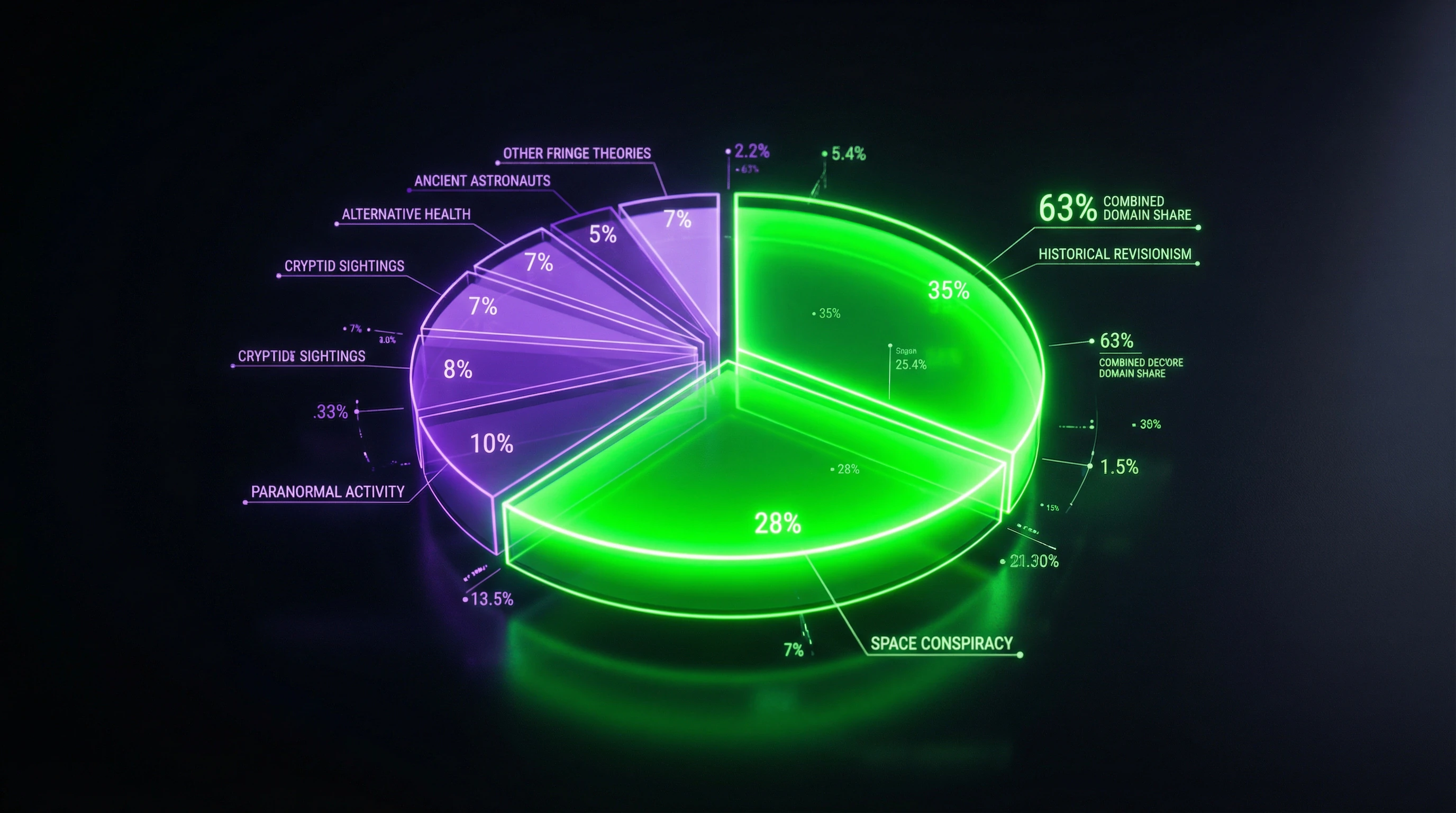
The term appears in discussions about space exploration (lunar missions), historical revisionism (World War II events), archaeological disputes, and technology criticism. It's also applied in countercultural and religious debates. Predominantly used in conspiracy communities and alternative history forums across English-speaking internet spaces.
They're attributed with commercial motivation, selective use of evidence, and rhetorical manipulation instead of rigorous analysis. Accused of serving political or ideological interests while parasitizing others' reputations. However, these criteria are applied subjectively and depend on the accuser's worldview.
No, it's primarily a polemical concept without clear definitional boundaries. While the word-formation model is recognized in linguistics, the concept itself lacks academic recognition in epistemology or media studies. The term is used to discredit opponents rather than as a neutral analytical category.
A conscientious skeptic provides verifiable sources, acknowledges limitations of their knowledge, and is willing to revise conclusions when presented with new data. A pseudo-debunker uses emotional rhetoric, ignores inconvenient facts, and builds arguments on biased conclusions. It's important to verify methodology and transparency of argumentation, not just the conclusions.
It's a defensive mechanism against legitimate criticism of their theories. By labeling an opponent a 'pseudo-debunker,' conspiracy theorists attempt to discredit skeptical analysis without having to address arguments substantively. This tactic allows them to maintain belief in their ideas while rejecting any refutations as part of a 'system of deception.'
Monetization of sensational content creates incentives to produce controversial materials regardless of their accuracy. Authors may deliberately provoke scandals and conflicts to increase views and revenue. This blurs the line between honest analysis and entertainment content, turning debunking into a business model.
Check the primary sources mentioned in the material and assess their reliability. Pay attention to whether alternative explanations exist and the author's willingness to consider them. Use fact-checking services and seek opinions from independent experts in the relevant field, avoiding echo chambers of confirmatory information.
It's the tendency to seek and interpret information in ways that confirm pre-existing beliefs. Both debunkers and pseudo-debunkers can suffer from this cognitive distortion, ignoring contradictory data. Awareness of this effect helps critically evaluate any claims, including one's own.
Absolute statements without qualifications, appeals to emotion instead of facts, absence of references to verifiable sources. Also concerning are personal attacks on opponents, conspiracy theories to explain criticism, and demands to 'just believe.' Quality analysis always acknowledges uncertainty and provides evidence.
The term frequently appears in patriotic English-language discourse, particularly when discussing historical events like World War II and critiquing foreign narratives. It's used to defend national interests and counter 'information attacks.' However, the term's application isn't limited to nationalist contexts and appears across various ideological environments.
There are no universal criteria due to the subjective nature of applying the term. What one person considers pseudo-debunking, another may perceive as legitimate skepticism, and vice versa. Rather than labeling, it's more effective to evaluate specific arguments, methodology, and evidence base of each claim separately.
Media literacy helps recognize manipulative techniques, verify sources, and distinguish facts from opinions. In an era of information abundance, the ability to critically evaluate content protects against disinformation from any side. This is especially important when both debunkers and their critics may use similar rhetorical techniques.
Academic environments aren't immune to bias, conflicts of interest, and unethical practices. However, peer review systems, research reproducibility, and open discussion create self-correction mechanisms. The term 'pseudo-debunker' is rarely applied in scientific contexts, where researchers prefer to discuss methodological errors or ethical violations.
The term intensifies polarization, turning discussion into an 'us versus them' confrontation instead of argument analysis. It creates an atmosphere of mutual distrust where any criticism is perceived as an attack or manipulation. This hinders constructive dialogue and truth-seeking, replacing them with a struggle for narrative dominance.
Yes, when someone systematically uses manipulative techniques, conceals conflicts of interest, or deliberately distorts facts for profit or ideology. However, proving this requires careful analysis, not emotional accusations. It's important to distinguish honest mistakes from intentional deception and apply consistent standards to all discussion participants.