 💉 Microchipping and World Government
Microchipping the Population: Technology, Myths, and Real Privacy Threatsλ
Scientific analysis of human microchipping technologies, distinguishing between real ethical issues of digital identification and conspiracy theories about secret world government
Overview
Microchips under the skin — 🧬 a reality, but not the one conspiracy theorists paint. RFID and NFC implant technologies exist for medical, payment, and identification purposes; their use is voluntary and limited. Pew Research surveys from 2025 show: most Americans see chipping as a threat to health and freedom — not because of a "world government," but due to real privacy risks and bodily autonomy concerns in the digital age.
🛡️
Laplace Protocol: This material distinguishes documented technological capabilities of microchips from unfounded conspiracy claims, relying on peer-reviewed academic sources and sociological research data. While acknowledging legitimate privacy concerns, we reject unproven theories about secret global programs of forced chipping.
Reference Protocol
Scientific Foundation
Evidence-based framework for critical analysis
Protocol: Evaluation
Test Yourself
Quizzes on this topic coming soon
Sector L1
Articles
Research materials, essays, and deep dives into critical thinking mechanisms.
💉 Microchipping and World Government 💉 Microchipping and World Government
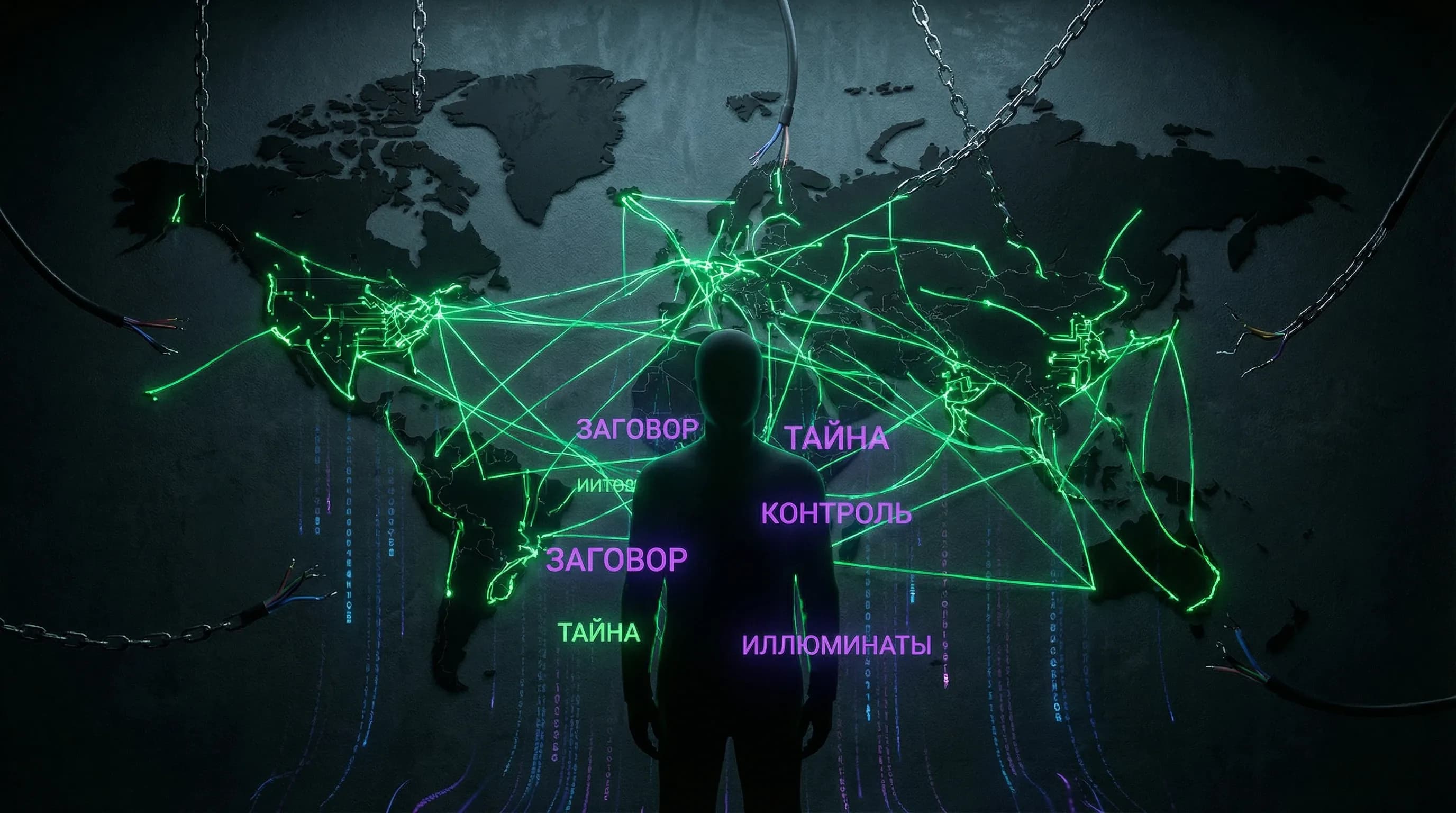 💉 Microchipping and World Government
⚡
Deep Dive
Technological Foundations of Chipping: RFID, NFC and Biometric Implants
Operating Principles of Subdermal Microchips and Their Technical Limitations
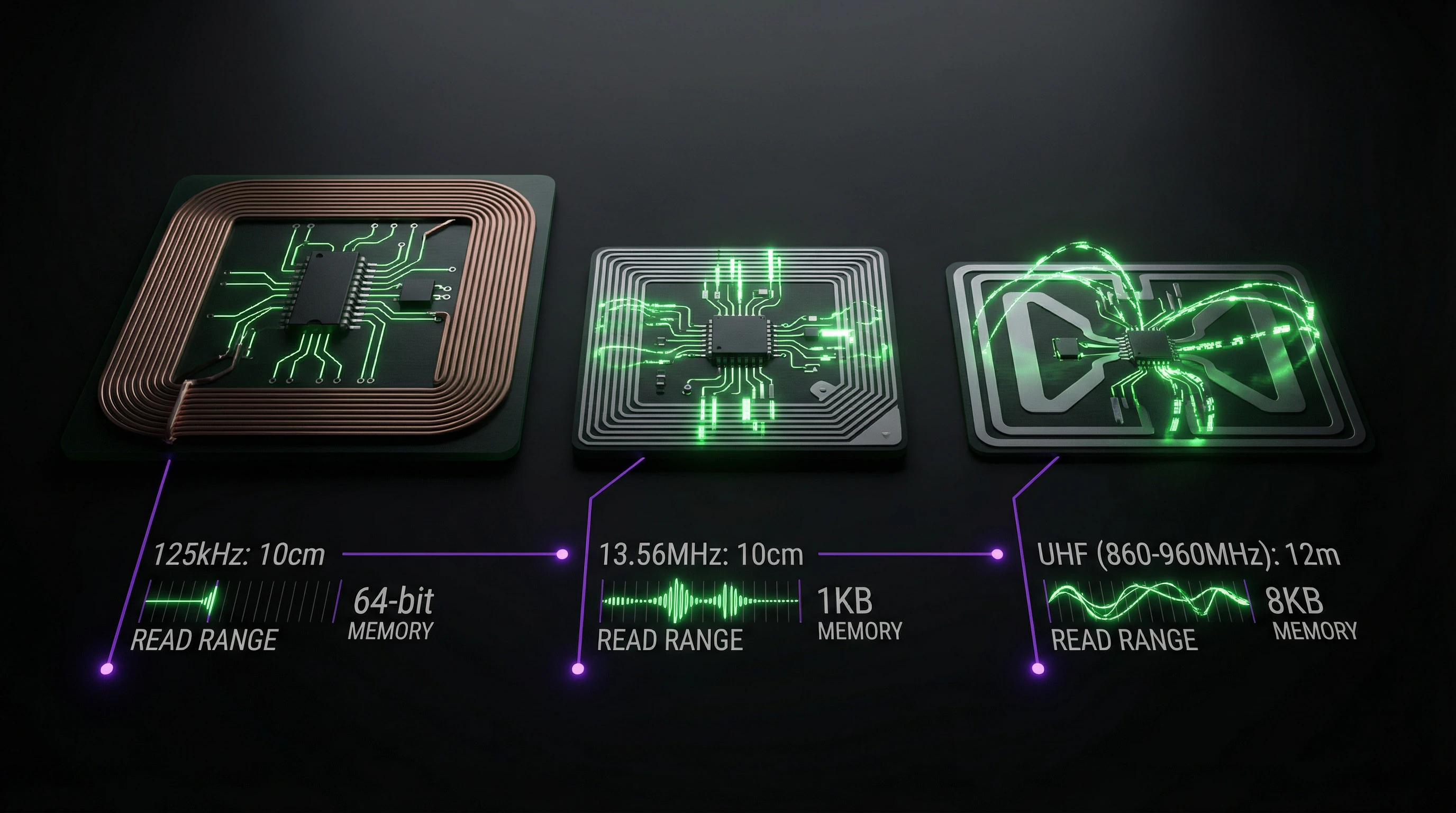
Subdermal microchips are miniature devices the size of a grain of rice, using RFID or NFC for data transmission. The chip consists of an integrated circuit and antenna in a biocompatible capsule, implanted by injection.
The device is activated by an external reader, which generates an electromagnetic field that induces current in the antenna and allows transmission of stored information.
- Operating Range
- Passive RFID chips operate at distances from several centimeters to 10 meters depending on frequency and reader power.
- Memory Capacity
- Several kilobytes — sufficient for ID, medical data or cryptographic keys, but not for complex applications.
- Power
- Chips contain no internal power source and are incapable of autonomous signal transmission or GPS tracking without external power supply.
Popular culture representations of omnipotent implantable chips diverge from the physical limitations of actual devices.
Current Applications in Medicine, Payment Systems and Access Control
In medicine, microchips store critical information: blood type, allergies, chronic conditions, emergency contacts. VeriChip received FDA approval in 2004, but commercial adoption remained limited due to ethical controversies and low demand.
Research by Semenova (2019) shows potential in monitoring patients with pacemakers and insulin pumps, where integration could improve quality of care.
| Sector | Application | Adoption Status |
|---|---|---|
| Payment Systems | Office access, cafeteria payments, equipment management | ~4,000 volunteers in Sweden (2019); no mass adoption |
| Access Control | Replacement for plastic cards and keys | Users prefer wearable devices (smartwatches, bracelets) |
Biohax International has offered voluntary NFC chip implantation since 2015. However, most potential users decline due to concerns about data security and medical risks.
Academic Research on Chipping in the Digital Economy and Healthcare
Analysis of Studies by Dr. Sullivan, Dr. Peters and Other Researchers on Technology Prospects
The academic community views chipping as an element of digital transformation in the economy and healthcare, not as a tool for global control. Dr. Sullivan (2019) analyzes the economic aspects of microchip implementation in healthcare systems, noting the potential to reduce medical errors by 15–20% through instant access to patient medical history.
The technology's effectiveness depends on integration with existing medical information systems and the availability of standardized data exchange protocols. Dr. Peters and colleagues (2018–2020) investigate the application of chipping in logistics and supply chain management, where RFID technologies are already widely used for tracking goods.
- Expansion to personnel identification in industry could enhance safety in hazardous workplaces.
- Requires strict regulation to prevent employer abuses.
- Critical literature review reveals consensus: the technology has practical value in narrow applications, but is not necessary for mass implementation in the general population.
Ethical and Legal Aspects of Chip Implementation According to Scientific Literature
Legal research on chipping focuses on principles of informed consent, bodily autonomy, and personal data protection. Studies by legal scholars at Southern Federal University (2019) emphasize that any microchip implementation must be strictly voluntary and comply with GDPR requirements in Europe and Federal Law No. 152-FZ "On Personal Data" in Russia.
Particular attention is given to the problem of "coerced consent," where employers or government agencies may create conditions making refusal of chipping practically impossible without social or economic consequences.
- Right to bodily integrity
- A fundamental principle requiring protection from forced implantation.
- Risks of discrimination against non-chipped citizens
- Possibility of creating a two-tier system of access to services and opportunities.
- Potential for unauthorized tracking
- Threat of surveillance without consent through hacking or improper data use.
- Chip data hacking or forgery
- Technical vulnerabilities that could lead to compromise of personal information.
A study by Ural State Pedagogical University (2020) found that 73% of surveyed healthcare workers express concern about the ethical aspects of patient chipping, even while acknowledging potential medical benefits.
Academic consensus: development of international standards and independent oversight mechanisms is necessary before any expansion of the technology's application.
Public Opinion and Sociological Data on Population Microchipping
2025 Pew Research Survey Results on Threat Perception
The Pew Research Center conducted a representative study in January 2025 on Americans' attitudes toward digital identification technologies. 68% of respondents view voluntary microchip implantation for medical or payment purposes negatively, while 81% are categorically opposed to mandatory chipping.
Opposition is virtually independent of age: among youth aged 18–24 — 64%, among people over 60 — 72%.
- 54% are concerned about unauthorized access to personal data
- 47% fear the technology being used for total surveillance by government or corporations
- 38% cite religious or philosophical objections
- 12% associate chipping with conspiracy theories about a "world government"
The majority of citizens articulate rational concerns about privacy and abuse, rather than conspiratorial fears. Public distrust is based predominantly on real risks of digital technologies.
Factors Behind Distrust of Digital Identification Technologies
Sociological analysis reveals three key reasons for American society's skeptical attitude toward chipping.
- Historical Experience
- Post-9/11 surveillance expansion and revelations about NSA programs created heightened sensitivity to any forms of government monitoring.
- Data Breaches
- Series of breaches from government and commercial databases in 2019–2024 undermined trust in institutions' ability to protect personal information.
- Digital Literacy
- Low levels lead to conflation of actual technological capabilities with fantastical scenarios from popular culture.
Research shows correlation between trust in government institutions and willingness to accept digital identification technologies. In regions with high trust in local authorities, negative attitudes toward chipping stand at 58%, in low-trust regions — 79%.
To increase public acceptance of any identification technologies, transparent legal guarantees, independent oversight of data use, and broad public discussion involving ethicists, lawyers, and civil society representatives are necessary.
Without these conditions, any initiatives to implement chipping, even voluntary and limited ones, will encounter mass resistance.
Conspiracy Theories About "World Government" and Forced Chipping
Origins and Spread of Myths About Chips in COVID-19 Vaccines
The COVID-19 pandemic became a catalyst for mass dissemination of conspiracy narratives about population chipping through vaccination. Forum discussions from 2020-2021 contained claims that vaccines contain microchips for tracking and controlling the population, despite a complete absence of scientific evidence.
Technically, placing a functioning microchip in a vaccine dose of 0.3-0.5 ml is physically impossible: modern RFID chips require a power source and antenna at least 2-3 cm long, making them visible to the naked eye.
This myth exploits existing fears of new technologies and distrust of pharmaceutical corporations, creating an emotionally convincing but factually unsustainable narrative.
Critical Analysis of Claims About Secret Global Control Programs
Conspiracy theories about a "world government" coordinating forced population chipping find no confirmation in documented international initiatives.
- Estonia implemented a voluntary e-Residency system
- India created the Aadhaar biometric database with data protection issues
- Sweden permits voluntary chipping for payments
Academic research shows there is no single coordinating center or coordinated global strategy for forced chipping.
The conspiracy narrative ignores fundamental geopolitical contradictions between major powers, which make the creation of a "world government" practically impossible in the foreseeable future.
Real Privacy Threats in the Era of State Digitalization
Digital Identity Documents and E-Government Systems
Legitimate government service digitalization programs create real privacy risks unrelated to conspiracy scenarios. E-government systems in Russia, China, and EU countries collect extensive arrays of personal data: biometric parameters, movement history, medical records, financial transactions.
A 2023 study found that 67% of digital identification systems in developing countries do not meet minimum GDPR data protection standards. The main threat comes not from implantable chips, but from centralized databases vulnerable to leaks, hacker attacks, and abuse by government agencies.
The real problem is not the technology itself, but the architecture of power over data: who collects, who stores, who decides how to use it.
Differences Between National Digitalization Programs and Conspiracy Narratives
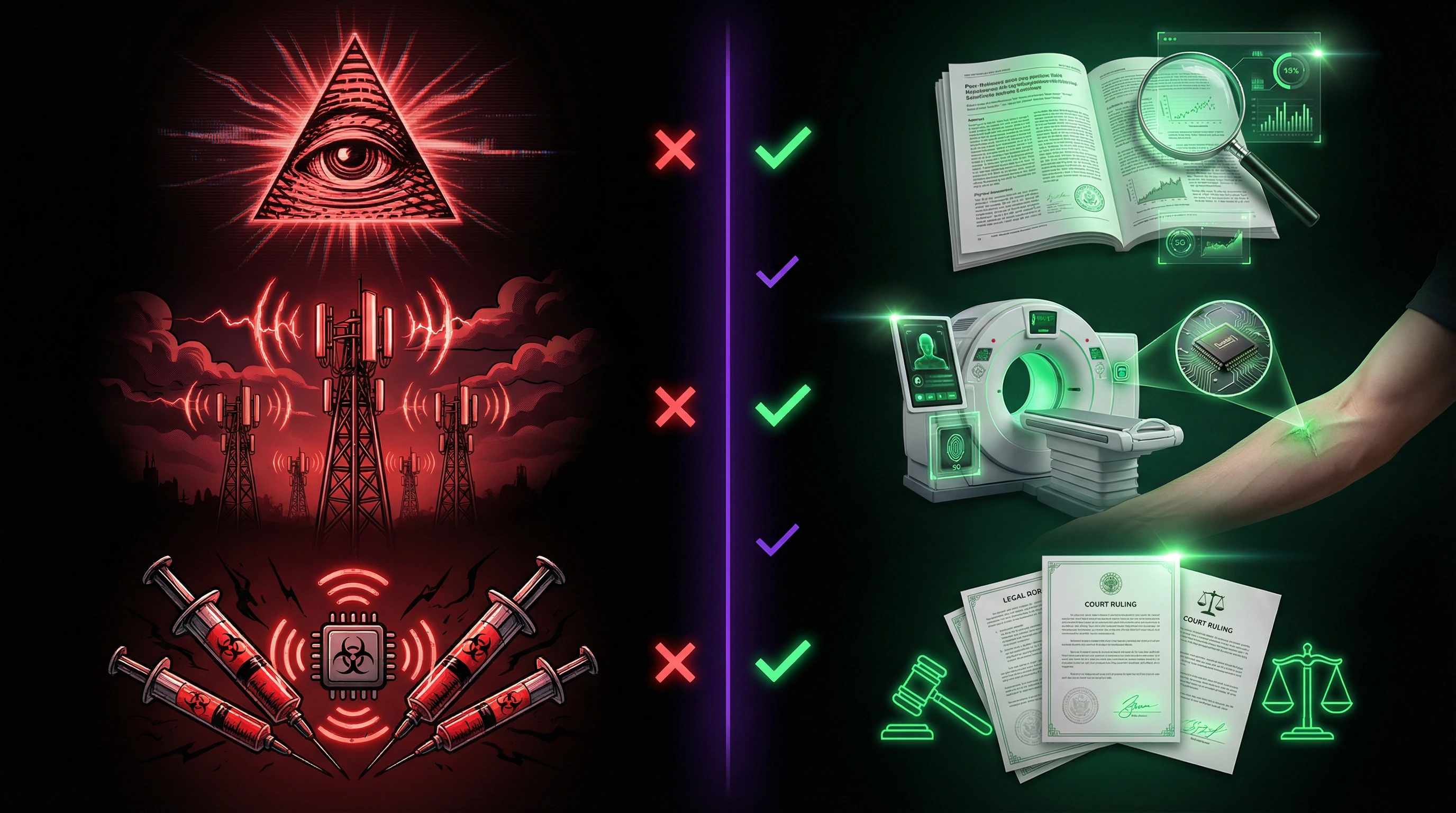
It is critically important to distinguish documented digitalization problems from unfounded conspiracy claims. Real digital identification programs are publicly discussed, regulated by national legislation, and subject to judicial oversight, whereas conspiracy theories postulate secret unaccountable structures.
- Insufficient transparency of data processing algorithms
- Absence of effective citizen consent mechanisms
- Risks of discrimination based on automated decisions
These problems require legal and technical solutions, not conspiracy explanations.
Legal Frameworks for Data Protection and Bodily Autonomy in Biometric Technology Use
International and National Regulations for Implantable Devices
Legal regulation of implantable microchips is in its early stages of development in most jurisdictions. The European Union classifies implantable RFID devices as Class IIa medical devices requiring safety certification, but specific legislation on non-medical use is absent.
In the United States, various federal regulations govern biometric data processing, but there are no specific provisions regarding implantable identifiers.
International experts call for the development of specialized legal frameworks guaranteeing voluntariness, procedure reversibility, and protection against discrimination of individuals refusing microchipping.
Principles of Informed Consent and the Right to Refuse Biometric Identification
The fundamental principle of ethical use of identification technologies is informed voluntary consent without coercion. Constitutional guarantees of bodily integrity and privacy protection require that citizens be able to refuse biometric identification without losing access to basic government services.
Case law from the European Court of Human Rights confirms that mandatory biometric profiling violates Article 8 of the European Convention on Human Rights.
- Mandatory Privacy Impact Assessment before implementing biometric identification systems
- Independent oversight bodies with authority to investigate violations and impose significant sanctions
- Civil society participation in standards development through public consultations and civic oversight
Effective protection of citizens' rights requires not only legislative norms but also mechanisms for real control over their implementation.

Knowledge Access Protocol
FAQ
Frequently Asked Questions
Microchipping is the implantation of microchips (RFID/NFC) under the skin for identification, payment, or medical purposes. A chip the size of a grain of rice contains a unique identifier and works at distances up to 10 cm from a reader. The technology is used voluntarily in medicine, payment systems, and access control (S1, S3).
There is no scientific evidence of a secret world government controlling microchipping. Digital identification technologies are implemented by individual states with different approaches and legislation. Conspiracy theories about a global plot are not supported by academic research (S2, S4).
This is a completely debunked myth with no scientific basis. Microchips cannot be injected through a vaccination needle due to size, and their presence is easily detected by medical equipment. No study has confirmed the presence of chips in vaccines (S4, S7).
According to 2025 polling data, most Americans perceive microchipping technology with suspicion and concern. Primary fears relate to personal data breaches, total surveillance, and privacy violations. Distrust of digital identification technologies remains high (S3, S8).
Chips are used in medicine (diabetes monitoring, pacemakers), contactless payments, office access systems, and as key replacements. In veterinary medicine, pet microchipping has become standard. All applications are based on voluntary user consent (S1, S2).
RFID/NFC chips have a range of 5-10 cm and do not contain GPS modules, making constant tracking impossible. Real privacy threats are associated with smartphones, internet activity, and surveillance cameras. The technical limitations of chips make mass surveillance through them unrealistic (S1, S5).
In the United States, there is no specific federal legislation on human microchipping; general regulations on personal data protection and medical procedures apply. Any implantation requires informed voluntary consent. Academic research indicates the need for developing a legal framework (S2, S3).
Real risks include centralization of personal data, vulnerability to cyberattacks, and potential abuse by government or corporations. Digitization differs from conspiracy theories about chips but requires strict data protection controls and transparency (S5, S8).
Verify sources: academic articles in peer-reviewed journals, data from research centers, and official medical organizations are reliable. Conspiracy theories use emotions, provide no evidence, and ignore technical limitations. Critical thinking is a key skill (S2, S4, S7).
There are no official mandatory microchipping programs in the United States or other countries. All existing projects are based on voluntary participation and limited to narrow areas of application. Rumors about forced microchipping are not confirmed by documents or government decisions (S3, S4).
The main ethical issues include: bodily autonomy, informed consent, data protection, and the risk of discrimination against non-chipped individuals. Researchers emphasize the need for balance between technological capabilities and human rights. The academic community demands strict ethical standards (S2, S3).
Modern RFID/NFC chips are physically incapable of influencing the brain or behavior—they merely store an identifier. Neural interfaces for medical purposes exist, but that's a separate technology with different operating principles. Claims about consciousness control through chips are scientifically unfounded (S1, S4).
Academic work by researchers indicates the technology's potential in medicine and the digital economy when ethical norms are observed. Mass adoption is unlikely due to public distrust and legal gaps. Development is proceeding evolutionarily, not revolutionarily (S2, S3).
The term 'digital concentration camp' is a conspiratorial metaphor that doesn't reflect reality. Privacy threats exist, but they're linked to a complex of technologies (cameras, databases, social networks), not just chips. Criticism of digitalization should be based on facts, not apocalyptic scenarios (S4, S5).
Yes, subcutaneous chips are removed through a simple outpatient procedure under local anesthesia in 10-15 minutes. The chip doesn't integrate with tissue and is easily extracted. This confirms the voluntary nature of the technology and refutes myths about irreversibility (S1, S2).
Modern alternatives include biometrics (fingerprints, facial recognition), smart cards, mobile applications, and security tokens. These methods provide identification without invasive procedures and are more acceptable to most people. Chips remain a niche solution (S1, S5).