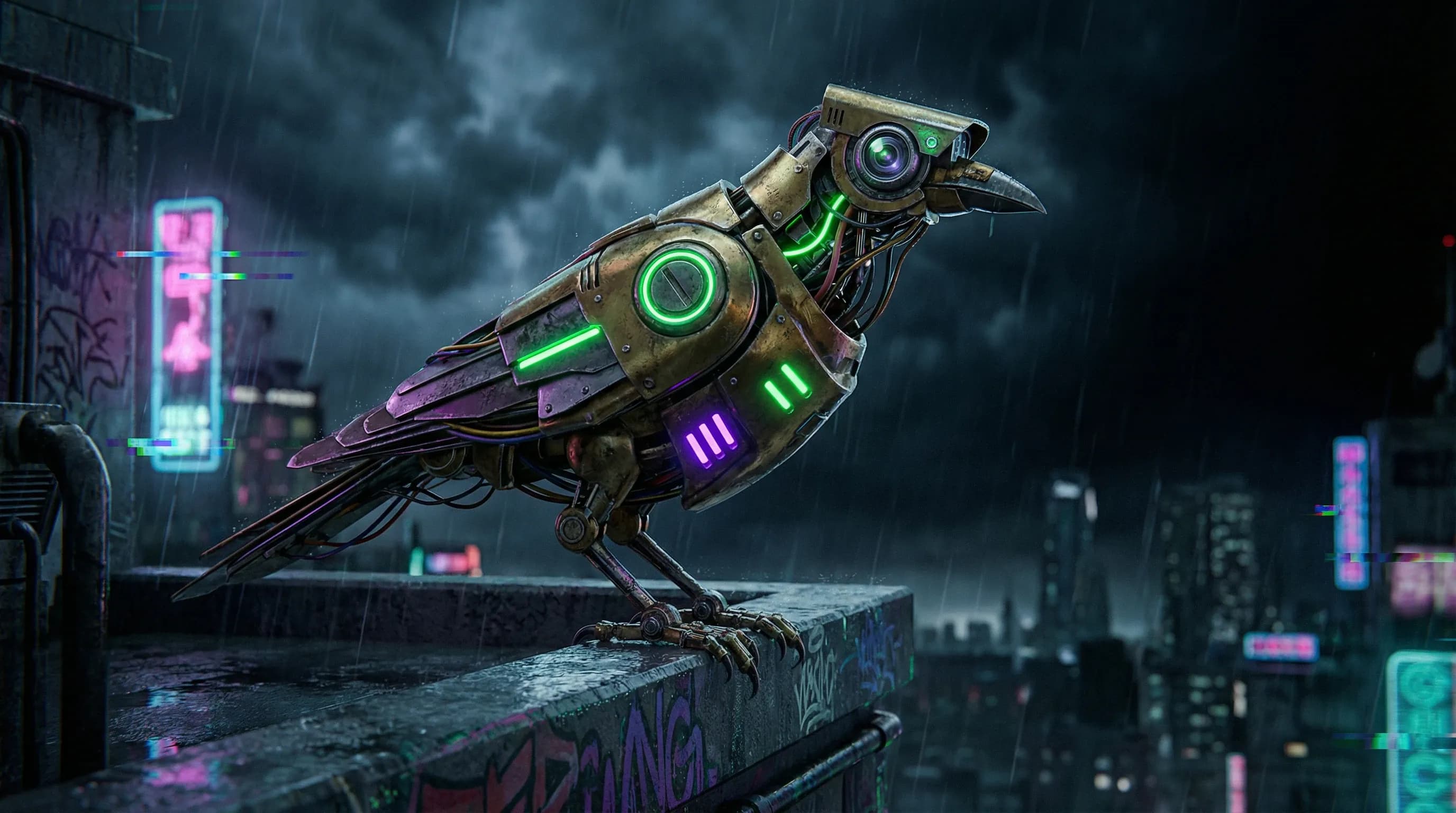
Anatomy of Absurdity: What the "Birds Aren't Real" Theory Claims and Why It Went Viral in the Post-Truth Era
The Birds Aren't Real (BAR) movement claims that since 1959, the U.S. government has systematically exterminated all birds, replacing them with surveillance drones. The operation allegedly received the code name "Water The Country" and was completed by 2001 with the total replacement of biological birds with mechanical tracking devices. Learn more in the Conspiracy Theories section.
The theory includes several interconnected claims: birds recharge on power lines, bird droppings contain liquid metal for tracking citizens, and mass bird die-offs result from technical malfunctions in the drones.
| Narrative Element | Function in Theory | Cognitive Trap |
|---|---|---|
| Power lines | Explains bird behavior | Reinterprets ordinary phenomena as evidence |
| Bird droppings as "liquid metal" | Links visible to invisible control | Transforms unpleasant into threatening |
| Mass bird deaths | Confirms technological nature | Natural phenomena become "malfunctions" |
By 2020, BAR had organized rallies in over 30 U.S. cities, gathering thousands of participants with signs reading "If It Flies, It Spies." The movement created a pseudo-historical timeline with "documents" and "eyewitness testimony."
⚠️ From Satire to Viral Phenomenon
Founder Peter McIndoe later admitted the movement began as satire of conspiratorial thinking, but quickly took on a life of its own. Social platform algorithms don't distinguish between satire and sincerity — they optimize for engagement.
BAR content generated high engagement metrics through provocation, humor, and cognitive dissonance, ensuring viral spread regardless of the creators' intentions.
This demonstrates the mechanism described in analyses of disinformation and viral hoaxes: platforms amplify content that triggers emotional reactions, regardless of its truthfulness.
🕳️ Post-Ironic Belief: When the Joke Becomes Conviction
The critical problem with BAR is epistemological uncertainty: it's impossible to reliably determine who participates ironically versus who genuinely believes. Surveys show approximately 7% of Americans struggle to answer whether birds are real, while 2% are certain they're drones.
- Post-ironic belief
- Prolonged pretense of believing in absurdity gradually transforms into sincere acceptance, especially in closed online communities with high levels of group identity. The mechanism operates through social reinforcement: the longer someone participates in the community, the higher the psychological cost of admitting error.
The BAR phenomenon reflects a deeper crisis: when trust in official information sources is undermined, an absurd theory can fill the meaning vacuum faster than boring truth.
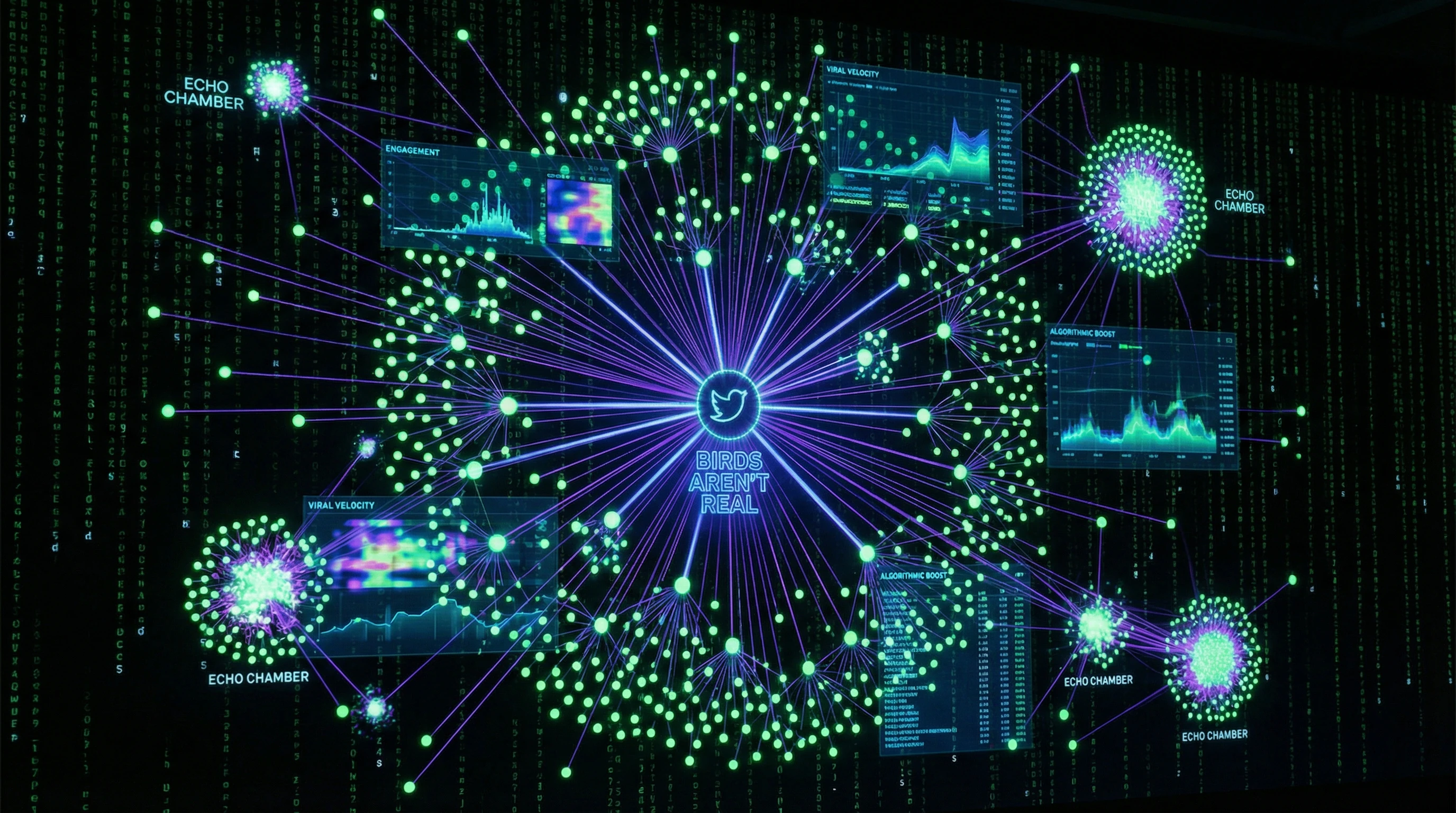
Steel Man of Conspiracy: Seven Arguments That Make the Theory Convincing to Its Supporters
To understand the BAR phenomenon, we must apply the "steel man" principle — examining the strongest versions of supporters' arguments rather than their caricatured simplifications. This reveals the cognitive mechanisms that make absurd ideas attractive to certain population groups. More details in the section Financial Pyramids and Scams.
⚠️ Argument from Government Surveillance: Historical Precedent
BAR supporters point to documented U.S. government mass surveillance programs — from COINTELPRO to Edward Snowden's revelations about the PRISM program. The argument's logic: if the government has already created a global digital surveillance system, why do biological drones seem implausible?
This argument exploits real erosion of trust in government institutions and confirmed cases of public deception. Historical context makes absurd claims psychologically more acceptable through the mechanism of "anchoring" to real facts.
🧩 Argument from Technological Feasibility: Drones Exist
Modern biomimetic drones are indeed capable of imitating bird flight with high precision. Companies like Festo have created robotic seagulls and dragonflies indistinguishable from living creatures at a distance. Military developments include micro-drones the size of insects.
If the technology exists, why are you certain it's not being used? — a classic example of the logical fallacy "possibility does not equal actuality," but psychologically the argument works by lowering the threshold of implausibility.
🕳️ Argument from Anomalous Behavior: "Explaining" Observed Phenomena
The theory offers pseudo-explanations for real phenomena: birds sit on wires (charging), mass bird deaths occur periodically (technical malfunctions), birds aren't afraid of cameras (because they are cameras).
- The human brain prefers any explanation to no explanation, even if it's absurd.
- The phenomenon of apophenia — perceiving patterns in random data — intensifies when a theory offers a simple unified model for multiple disparate observations.
⚠️ Argument from Unprovability of Negation: Burden of Proof
BAR supporters often use the rhetorical device: "Prove that birds are NOT drones." This shifting of the burden of proof creates false symmetry between a claim and its refutation.
In scientific methodology, the burden of proof lies with whoever makes a positive claim, but in public discourse this principle is easily violated. The argument exploits the impossibility of absolutely proving a negative statement and creates an illusion of equivalent positions.
🧩 Argument from Social Identity: Belonging to the "Informed"
Participation in the BAR movement provides social benefits: a sense of belonging to a community, status as an "awakened" person who sees hidden reality, and entertainment value from participating in a large-scale ironic game.
- Epistemic Motivation
- Desire to understand truth — a weak predictor of conspiratorial beliefs.
- Social Motivation
- Need for belonging, status, and group identity — a strong predictor. The movement creates strong group identity through shared symbols (merchandise, slogans), rituals (rallies), and a narrative of "us" versus "the system."
🕳️ Argument from Media Attention: "Why Would Media React This Way?"
Paradoxically, critical media coverage of BAR is used by supporters as proof of the theory's significance. The logic: if the movement is just a joke, why do major publications publish rebuttals?
This exploits the cognitive bias known as the "Streisand effect" — attempts to suppress information draw more attention to it. Media reaction is interpreted as a sign that the movement "struck a nerve" and poses a threat to the "official narrative." More on mechanisms of disinformation spread in the protective guide to disinformation and viral fakes.
⚠️ Argument from Epistemological Nihilism: "How Do You Know Anything?"
The most philosophically sophisticated BAR supporter argument appeals to fundamental problems in epistemology: how can we be certain of the reality of anything if all information is mediated by our senses and can be falsified?
This argument exploits real philosophical problems (Cartesian skepticism, Hume's problem of induction) to undermine any attempts at empirical verification. In an era of deepfakes and generative AI, this argument gains additional force by demonstrating the real unreliability of visual evidence.
Evidence-Based Refutation: What Science Says About Bird Reality and the Impossibility of Mass Replacement
Scientific refutation of the BAR theory requires systematic analysis of the biological, technological, and logistical aspects of the claim that all birds have been replaced with drones. Despite the absurdity of the theory, its detailed refutation demonstrates methods of scientific verification and reveals cognitive mechanisms that make people vulnerable to disinformation.
🧪 Biological Evidence: Continuity of Evolutionary History
Birds have a documented evolutionary history spanning 150 million years, confirmed by the paleontological record with thousands of transitional forms from theropod dinosaurs to modern species. Studies of bird community diversity across different ecosystems demonstrate the continuity of evolutionary processes and adaptations (S011).
Genetic analysis shows that all modern birds share a common ancestor and are connected by phylogenetic relationships that cannot be falsified without falsifying all of molecular biology. Every bird contains DNA that can be sequenced and compared with genomes of other organisms, demonstrating biological kinship. More details in the Financial Scams section.
The absence of even a single documented case of discovering a mechanical device instead of a biological bird, despite millions of opportunities for such discovery, is compelling refutation of the theory.
🔬 Anatomical and Physiological Evidence
Dissection of any bird reveals a complex biological system: four-chambered heart, respiratory system with air sacs, digestive system, developed brain, reproductive organs. Birds metabolize food, produce waste, reproduce sexually, contract infectious diseases, and host species-specific parasites.
Creating a mechanical device that mimics all these systems at the cellular and molecular level is far beyond current technological capabilities and would require nanotechnology that doesn't exist even in theory.
- Four-chambered heart with complete septum between circulatory circuits
- Air sacs providing unidirectional airflow through lungs
- Specialized kidneys for concentrating urine
- Hormonal system regulating migration and reproduction
- Immune system responding to pathogens in real time
📊 Ecological Interactions and Trophic Networks
Birds occupy critical positions in ecosystems as pollinators, seed dispersers, predators, and prey. Research shows that bird community diversity is linked to gradients of forestry activity and natural succession (S011).
Removing birds from ecosystems would cause cascading effects: explosive growth of insect populations, disruption of plant pollination, changes in plant community structure. None of these effects are observed, refuting the hypothesis of replacing biological birds with mechanical devices that cannot perform ecological functions.
🧾 Technological Limitations: Energy and Materials
Modern drones have fundamental flight time limitations (typically 20–40 minutes) due to battery energy density constraints. Birds fly for hours and days thanks to the efficiency of biological metabolism.
| Parameter | Biological System | Modern Drone |
|---|---|---|
| Energy density | 37 MJ/kg (fats) | ~0.5–0.7 MJ/kg (lithium-polymer batteries) |
| Flight time | 8–12 hours continuously | 20–40 minutes |
| Environmental adaptability | Self-healing system | Requires charging and maintenance |
| Size (hummingbird) | 2–6 grams, fully functional | Impossible to create with current technology |
🔬 Logistical Impossibility: Scale of Operation
The United States is home to approximately 7.5 billion birds of 914 species. Replacing all birds with drones would require producing billions of high-tech devices, each needing to mimic the specific anatomy, behavior, and ecological role of its species.
The cost of such an operation would exceed trillions of dollars. The program would require participation of hundreds of thousands of engineers, biologists, and operators, making secrecy impossible. For comparison: the Manhattan Project, one of the most secret projects in history, involved 130,000 people and was declassified within a few years.
📊 Observational Data: Continuous Population Monitoring
Ornithologists and bird enthusiasts conduct continuous population monitoring through programs like eBird, which has collected over a billion observations. Data show natural population fluctuations, migration patterns, and responses to climate and habitat changes.
Bird banding allows tracking of individual birds over years, documenting their life cycles, migrations, and mortality. None of these observations have revealed anomalies that could be interpreted as evidence of replacing biological organisms with mechanical devices.
🧪 Methodological Standards of Verification: Reproducibility
Scientific methodology requires reproducibility of results by independent researchers. Anyone can capture a bird, perform dissection, and verify its biological nature. Thousands of veterinarians daily treat birds, performing surgical operations, radiography, and blood tests.
Research in systematic reviews and meta-analyses emphasizes the importance of cumulative scientific process and research coordination (S002). The absence of even a single documented case of discovering a mechanical device instead of a biological bird, despite millions of opportunities for such discovery, is compelling refutation of the theory.
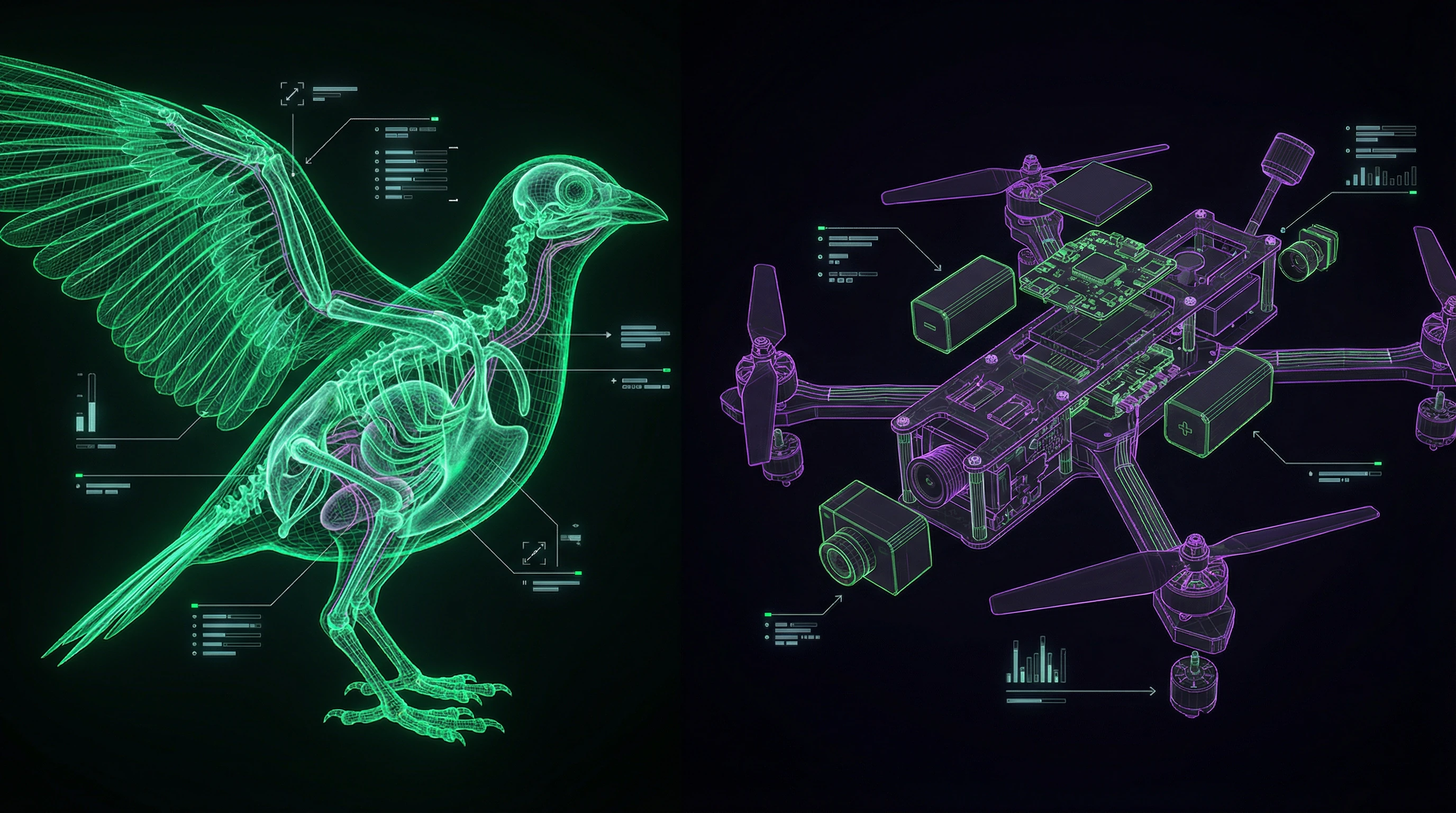
Mechanisms of Belief: Why the Brain Accepts Absurdity and How Cognitive Biases Create the Illusion of Plausibility
The BAR phenomenon demonstrates that human cognition is vulnerable to systematic errors that make absurd claims psychologically appealing. Understanding these mechanisms is critical for developing effective strategies to counter disinformation. Learn more in the Mental Errors section.
🧬 Availability Heuristic: Vividness Over Probability
The brain assesses the likelihood of events based on how easily examples come to mind, rather than on statistical frequency. Vivid, emotionally charged images (government surveillance bird-drones) are more memorable than mundane facts (ornithological data).
BAR theory exploits this mechanism by creating memorable visual imagery and narratives. People systematically overestimate the probability of dramatic events (terrorist attacks, plane crashes) and underestimate mundane risks (cardiovascular disease), creating a cognitive environment favorable to conspiracy theories.
- Vivid imagery activates the brain's emotional centers more powerfully than statistics.
- Repeated mental replay of the image reinforces it as "real."
- Lack of personal experience disproving the theory doesn't reduce its appeal.
🔁 Confirmation Bias: Selective Information Processing
Once a belief is adopted, the brain begins selectively processing information, favoring data that confirms existing views while ignoring contradictory evidence. BAR supporters interpret any bird behavior through the theory's lens: a bird sitting still is "recharging its battery," an active bird is "executing a surveillance mission."
This mechanism creates a self-sustaining belief system resistant to refutation. Processing information that contradicts beliefs activates brain regions associated with threat and negative emotions, creating motivation to reject such data.
🧩 Pattern Illusion: Apophenia and Pareidolia
The brain evolved to detect patterns, which provided survival advantages (recognizing predators, edible plants). A side effect is the tendency to see patterns where none exist.
BAR supporters "discover" suspicious patterns in bird behavior, interpreting random coincidences as evidence of conspiracy. This mechanism intensifies under conditions of uncertainty and stress, when the need for control and predictability increases. People experiencing lack of control are more prone to conspiratorial thinking and perceiving illusory patterns.
🧠 Dunning-Kruger Effect: Incompetence and Confidence
People with low competence in a domain systematically overestimate their knowledge and abilities, while experts tend toward greater uncertainty. This creates a paradoxical situation where people without biological or engineering education feel competent to judge the possibility of replacing birds with drones, while actual experts recognize the problem's complexity.
The effect is amplified by internet information accessibility, creating an illusion of knowledge through superficial familiarity with a topic without deep understanding.
🔁 Social Proof: Conformity and Groupthink
People use others' behavior as a heuristic for determining the correctness of their own actions and beliefs. When thousands participate in the BAR movement, it creates social proof of the theory's legitimacy, regardless of its content.
- Echo Chambers
- Online communities where alternative viewpoints are absent and group identity is reinforced by contrasting "enlightened" community members against the "ignorant" masses. Classic Asch experiments showed that people are willing to deny obvious facts under pressure of group consensus.
🧬 Motivated Reasoning: Emotion Over Logic
Reasoning often serves not the search for truth, but the defense of existing beliefs and social identity. People are capable of sophisticated argumentation defending absurd positions if those positions are tied to their group membership or self-esteem.
Participation in the BAR movement can provide psychological benefits (sense of belonging, entertainment, status) that motivate defending the theory regardless of its truth. Processing politically charged information activates the brain's emotional centers to a greater degree than areas associated with logical reasoning.
Conflicts of Interpretation: Where Sources Diverge and What This Reveals About the Nature of Scientific Consensus
Scientific literature on related topics reveals methodological questions about the nature of evidence and consensus formation, relevant to understanding the BAR phenomenon. More details in the Debunking and Prebunking section.
🧪 Methodological Differences in Evidence Assessment
Research in systematic reviews and meta-analyses demonstrates different approaches to synthesizing scientific data. Traditional systematic reviews require pre-specification of inclusion criteria and analysis methods, which can lead to delays in knowledge updates (S002).
The alternative ALL-IN meta-analysis approach offers continuous updating while preserving statistical validity, allowing inclusion of interim data from ongoing studies without changing testing thresholds (S002).
The fundamental tension between rigor and timeliness in the scientific process reflects not a flaw in science, but its nature: consensus is not a final verdict, but a current equilibrium between methodological integrity and practical necessity.
🔬 The Problem of Evidence Quality Assessment Across Different Contexts
Evidence quality assessment depends on context and methodological tools. Systematic reviews use instruments like ROBINS-I to assess risk of bias, but their application requires expert judgment (S002).
The same evidence base can be interpreted differently depending on the chosen assessment tool and significance threshold. This doesn't mean science is arbitrary—it means that disinformation and viral hoaxes exploit precisely these zones of uncertainty.
- Consensus is formed not by voting, but by accumulation of reproducible results.
- Methodological differences between studies are not a weakness, but a sign of living science.
- When sources diverge, the question is not who is right, but what assumptions underlie each approach.
🎯 Why BAR Works as a Mirror of Scientific Skepticism
The "Birds Aren't Real" theory is paradoxically useful: it shows that people seek not truth, but coherence. When official consensus appears insufficiently transparent in its methodological choices, an absurd alternative becomes attractive—it's at least honest in its absurdity.
Restoring trust in science requires not more popularization, but greater transparency about how exactly consensus is formed, where uncertainties remain, and why some questions stay open.